You know, lately everyone’s talking about integrated solutions. Like, everything needs to talk to everything else. I’ve been on sites where they’ve got this whole ‘smart factory’ setup, but honestly, half the time the sensors are just…not working. Seems like everyone's chasing the bells and whistles before getting the basics right. It’s a trend, sure, but a lot of it feels…overblown. I've seen too many projects stall because of overly complex integration. We stick to what works.
The thing about these extruded profiles, see, it’s easy to get caught up in the tolerances. Everyone wants tighter and tighter specs, which sounds good on paper. But have you noticed how quickly that drives up cost? And the actual benefit on site? Often minimal. I encountered this at a factory in Ningbo last time, they were arguing over a 0.1mm difference…0.1mm! It’s madness. Anyway, I think practical application is key.
We mostly work with PVC, and polyethylene, sometimes polypropylene, depending on the client's needs. The PVC…you can smell it, right? That slightly chemical scent. It's tough stuff, takes a beating. Polyethylene feels… softer, more flexible. I prefer it for things that need a little give. And the polypropylene? That’s the one that’s a bit more finicky to work with, gets brittle in the cold. Honestly, knowing how a material feels is half the battle. You need to get your hands dirty.
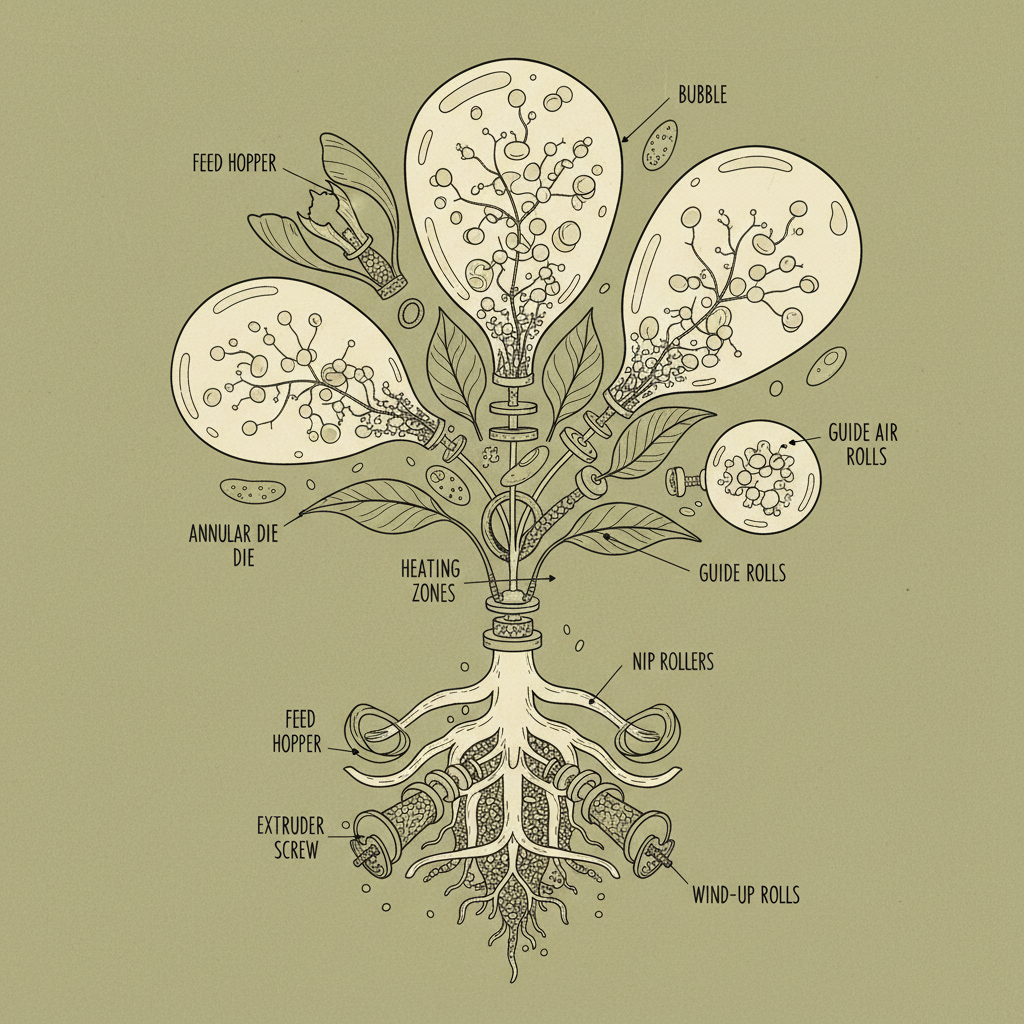
Industry Trends and Pitfalls
To be honest, the push for bio-based plastics is interesting, but the performance isn’t always there yet. I’ve seen projects where they’ve used PLA, and it just…fails. Cracks, warps, doesn't hold up. Strangely enough, clients still request it. Marketing, I guess. We’re focusing on improving recyclability of existing materials, which feels like a more realistic approach. And UV resistance – that’s a big one. People forget how quickly the sun degrades plastic. It's a simple thing, but vital.
Designing for ease of assembly is also huge. I've seen profiles that look great in the CAD drawing but are a nightmare to actually put together on site. Too many tight angles, awkward joins…it adds hours to the installation time. And time is money, right?
Materials: A Hands-On Perspective
Like I said, PVC is a workhorse. Smells awful when you’re cutting it, though. You get used to it. Polyethylene is your go-to for anything that needs to flex. Think drainage systems, protective edging…stuff like that. It's pretty forgiving. And polypropylene, that’s a bit more specialized. It's lighter, stronger than polyethylene, but more prone to cracking in cold temperatures. You really need to consider the environment when choosing that one. I once had a customer using it for outdoor furniture in Canada… disaster. We ended up switching to a reinforced PVC blend. It wasn't cheap, but it saved them a lot of headaches.
Testing and Real-World Performance
Forget the lab tests, honestly. They’re useful for baseline stuff, but they don't tell you how a profile will actually perform. I want to see it bent, twisted, dropped, left in the sun for six months. We build test rigs on site, simulate real-world conditions. That's where you find the weak spots.
We do pull tests, obviously, to check tensile strength. But we also do impact tests, see how it holds up to a hammer. And then there's the weatherability test - leaving samples exposed to the elements for an extended period. It’s not glamorous, but it's vital. And we always involve the installers in the testing process. They're the ones who will be working with the material day in and day out, and their feedback is invaluable.
I remember one time, a client was insistent on using a specific grade of PVC. The lab tests looked good, but when we subjected it to a simple bending test, it cracked immediately. Turned out there was an issue with the plasticizer. Saved them a lot of money in the long run.
How Users Actually Employ Profiles
You’d be surprised. I once saw a guy using extruded PVC profiles to build a makeshift greenhouse. Completely off-label, but it worked! People are resourceful. We design for specific applications, of course, but ultimately, how they use the material is up to them. We try to anticipate potential misuses and design accordingly. Reinforced corners, thicker walls… things like that.
I think a common misconception is that people meticulously follow the installation instructions. They don’t. They’ll cut corners, they’ll improvise, they’ll use whatever tools they have on hand. That's why simplicity is so important. The easier it is to work with, the less likely they are to mess it up. Anyway, I think keeping it straightforward is the key.
Extruded Profile Usage Analysis
Advantages and (Let’s Be Real) Disadvantages
The big advantage, obviously, is cost. Extruded profiles are cheap to manufacture, especially in high volumes. And they’re incredibly versatile. You can create almost any shape you can imagine. Durability is another plus. A well-made profile can last for decades. But…they’re not always the prettiest. They can look a bit industrial. And they’re not always the strongest. Depending on the material, they can be susceptible to impact damage.
And let's be honest, the lead times can be long, especially for custom profiles. Setting up the extrusion die is expensive, so manufacturers often require large minimum order quantities. It’s a pain. I’ve had clients who needed just a small amount of a specific profile and ended up having to order way more than they needed. We're working on solutions for shorter runs, but it’s a challenge.
Customization Options – A Shenzhen Story
We can do a lot with customization. Color matching, texture changes, adding UV stabilizers, reinforcing with fiberglass…you name it. But one thing I learned the hard way is not to promise anything you can’t deliver. Last month, that small boss in Shenzhen who makes smart home devices insisted on changing the interface to . He wanted a custom profile to house the connector, and he wanted it yesterday. We managed to get a prototype done, but the tolerances were incredibly tight, and the material kept warping. It took weeks of tweaking to get it right. He almost lost a major contract because of it. Lesson learned: always manage expectations.
But seriously, customization is where we can really add value. We worked with a furniture manufacturer who needed a specific profile to hide the wiring in their tables. They wanted a seamless look, so we designed a custom profile with integrated channels for the cables. It was a bit of a challenge, but the end result was stunning. They’ve been a repeat customer ever since.
I've even seen clients wanting internal channels for running LEDs - not just for aesthetics, but for structural lighting. It gets interesting, that's for sure.
Core Performance Metrics
Ultimately, you're looking at a few key things: strength, durability, and cost. And how easy it is to work with, of course. But those are all interconnected.
Here’s a rough breakdown of what we typically look at, scribbled down like I would on site:
Key Performance Indicators for Extruded Profiles
| Material |
Tensile Strength (MPa) |
Impact Resistance (J/m) |
Cost per Meter (€) |
| PVC |
50-70 |
200-400 |
0.50-1.00 |
| Polyethylene (LDPE) |
10-30 |
100-200 |
0.30-0.70 |
| Polypropylene |
30-50 |
300-500 |
0.60-1.20 |
| Reinforced PVC |
80-120 |
400-600 |
1.00-2.00 |
| Bio-based PLA |
40-60 |
150-250 |
1.50-3.00 |
| UV Stabilized Polyethylene |
15-35 |
120-220 |
0.40-0.80 |
FAQS
That’s a tricky one. It really depends on the complexity of the profile and the material. Generally, we need at least 500 meters, but for very intricate designs, it can be closer to 1000 meters. The setup cost for the extrusion die is the main driver. We’ll always try to work with you to find a solution, even if it means sharing a run with another client. We hate turning down business.
From design to delivery, expect at least 4-6 weeks. The die fabrication takes the longest – usually around 2-3 weeks. Then there’s the material sourcing, the extrusion process itself, and quality control. We can sometimes expedite things, but it comes at a premium. And honestly, rushing things usually leads to mistakes.
Yes, we can, but it’s not always straightforward. The quality of recycled plastic can vary wildly. We need to carefully test it to ensure it meets our specifications. We generally prefer post-industrial recycled plastic, as it’s cleaner and more consistent than post-consumer plastic. It adds cost and time, but it’s worth it if the client prioritizes sustainability.
Oh, where do I even begin? Window and door frames, edge banding for furniture, fencing, decking, signage, electrical conduit, automotive trim…the list goes on and on. PVC is incredibly versatile. It’s relatively inexpensive, durable, and easy to work with. It’s a staple in the construction industry for a reason.
Material cost is a big one, obviously. But the complexity of the profile, the size of the run, and the required tolerances all play a role. Also, adding things like UV stabilizers or flame retardants will increase the price. And don't forget shipping costs, especially if you're ordering from overseas.
Absolutely. We have a team of engineers who can help you design a profile that meets your specific needs. We can work from a sketch, a CAD drawing, or just a general idea. We’ll analyze the application, consider the material properties, and optimize the design for manufacturability. We've saved clients a lot of money by catching potential problems early on.
Conclusion
So, yeah, blown film extrusion profiles are pretty fundamental. They're not glamorous, but they're everywhere. Understanding the materials, the processes, and the limitations is crucial for getting a good result. It’s about balancing performance, cost, and manufacturability. And remembering that simplicity is often the best approach.
Ultimately, whether this thing works or not, the worker will know the moment he tightens the screw. That’s the truth of it. If it fits, feels solid, and doesn’t crack…you’re good to go. If not… well, you’ve got a problem. You can find out more about what we do at blown film extrusion manufacturers.