Blown film manufacturing is a widely utilized process for creating thin plastic films, essential components in a vast array of packaging, agricultural, and industrial applications. Globally, the demand for flexible packaging, a primary output of blown film manufacturing, continues to rise, driven by factors like increased consumer spending, urbanization, and the need for extended product shelf life. Understanding the intricacies of this process – from resin selection to film properties – is crucial for optimizing production efficiency and meeting evolving market demands.
The significance of blown film manufacturing extends beyond just packaging. It plays a critical role in industries like healthcare (medical bags and packaging), agriculture (greenhouse films and irrigation tubing), and construction (vapor barriers and protective coverings). As sustainability concerns grow, innovation in blown film materials and production methods, such as utilizing recycled plastics and biodegradable polymers, becomes increasingly important.
Mastering the nuances of blown film manufacturing empowers businesses to respond effectively to market trends, ensure product quality, and contribute to a more sustainable future. The benefits of understanding this process include improved cost control, enhanced product performance, and the ability to adapt to changing regulatory landscapes.
Introduction to Blown Film Manufacturing
The blown film manufacturing process has become an indispensable part of modern packaging and industrial material production. It’s a versatile method capable of producing films with a wide range of properties, from high clarity and strength to specialized barrier characteristics. The ability to tailor film properties makes it a crucial technology for meeting diverse application requirements.
Innovations in blown film manufacturing continue to drive advancements in material science and processing techniques, enabling the creation of films that are thinner, stronger, and more sustainable. This constant evolution is essential for responding to the increasing demands of a dynamic global market.
Defining Blown Film Manufacturing
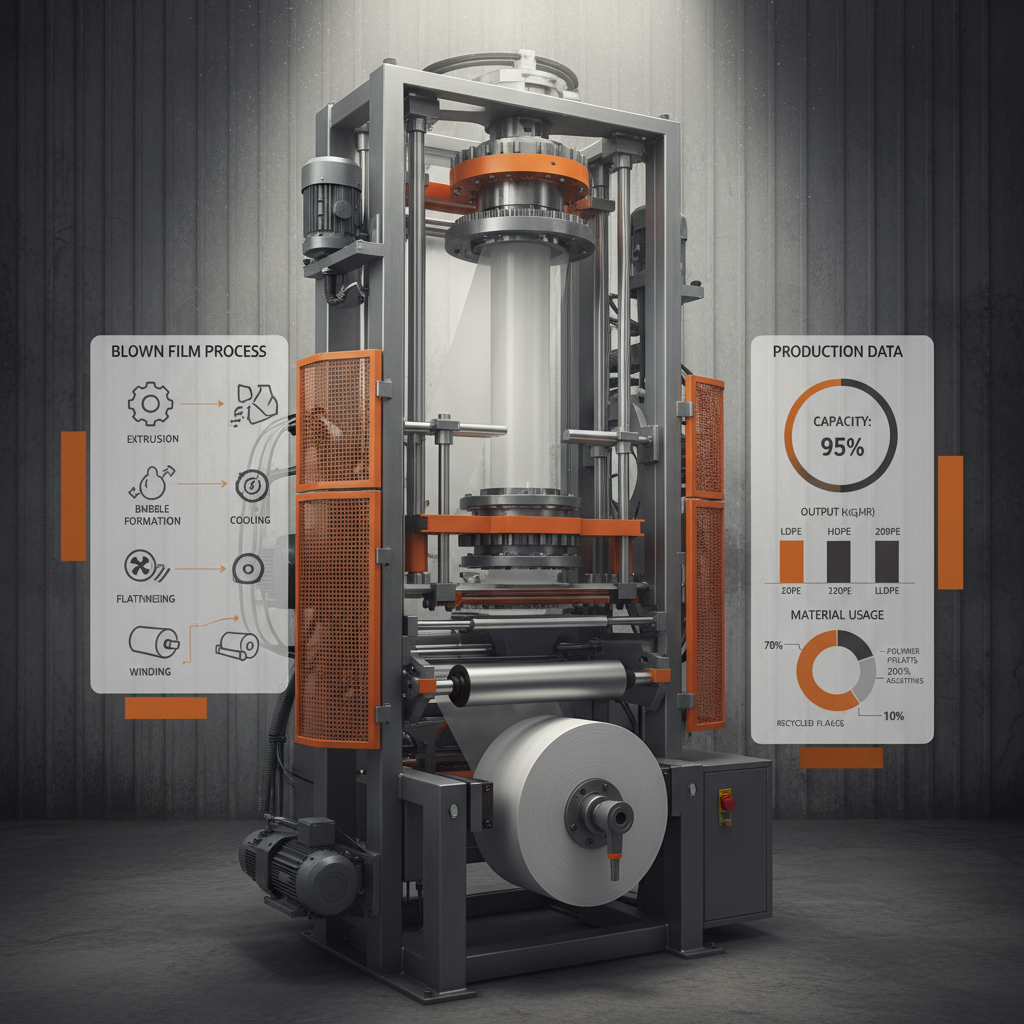
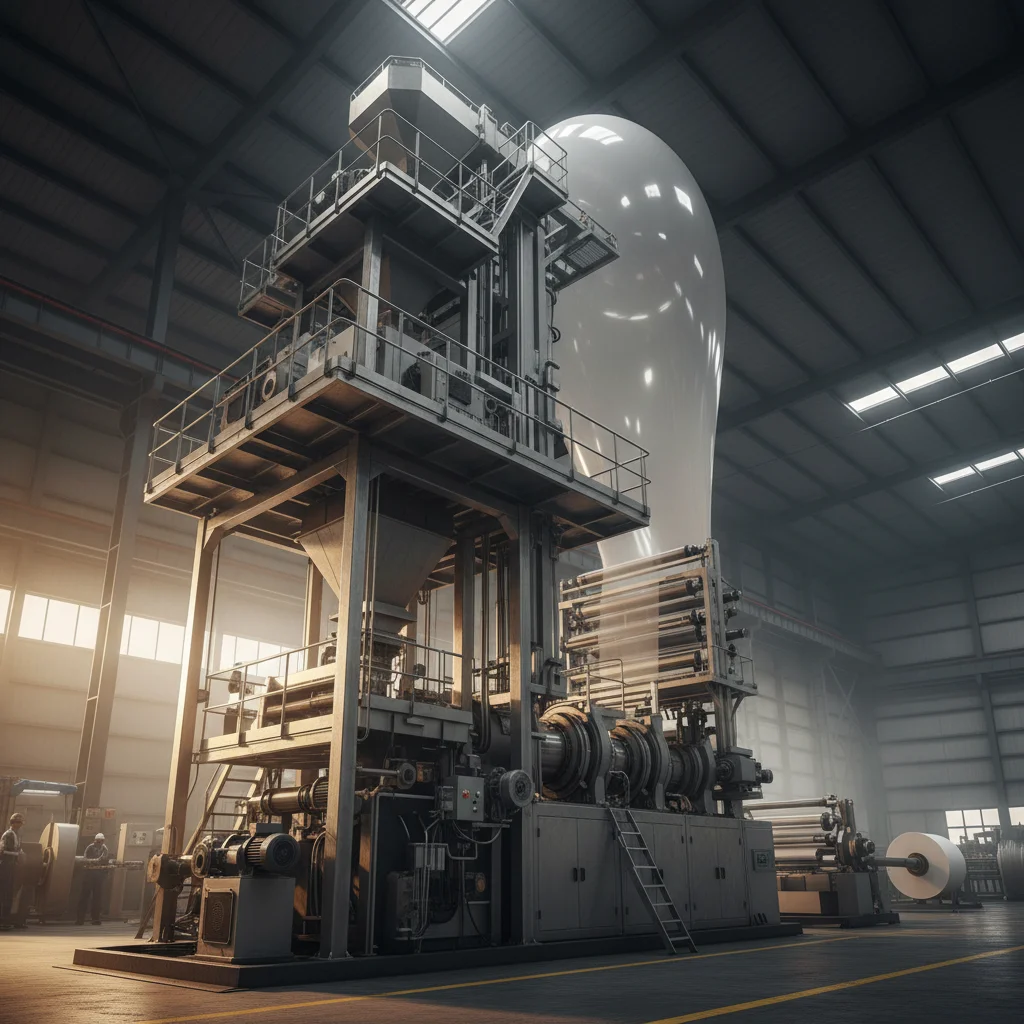
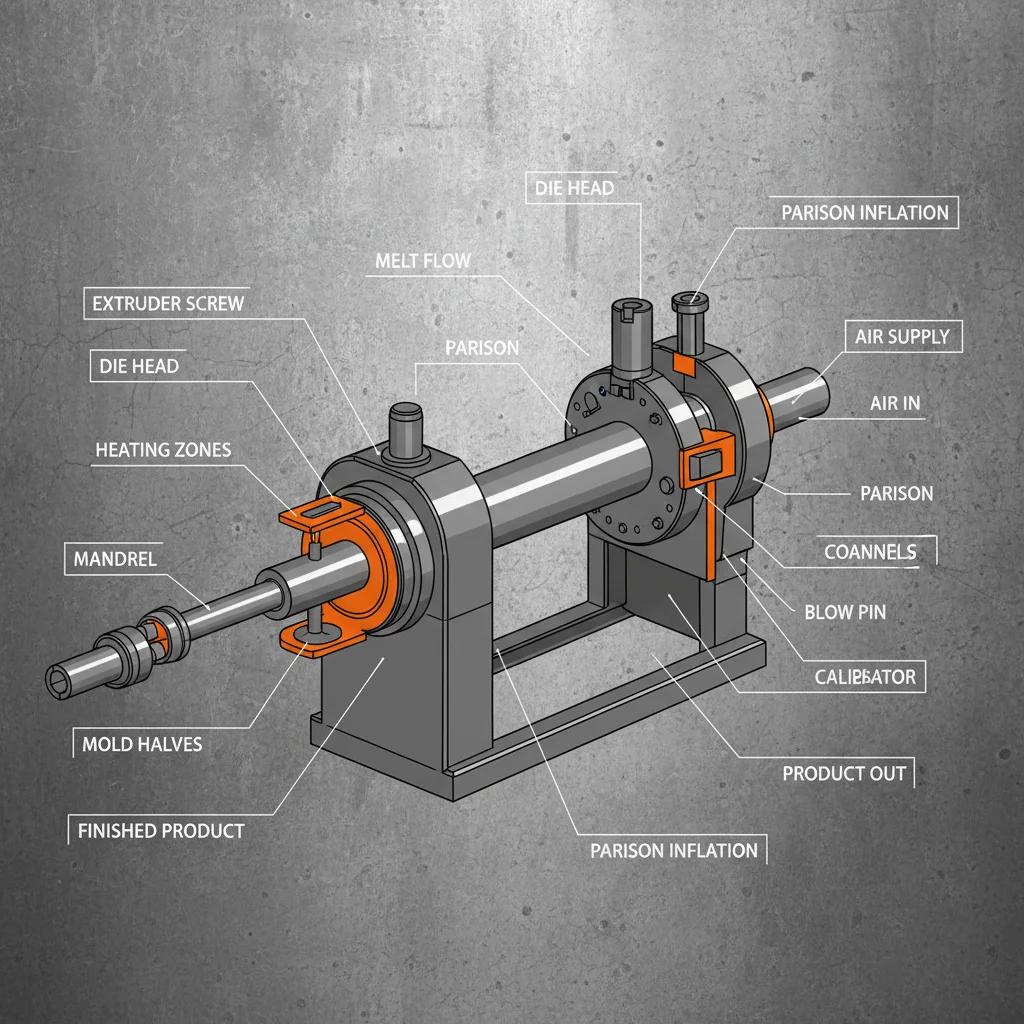
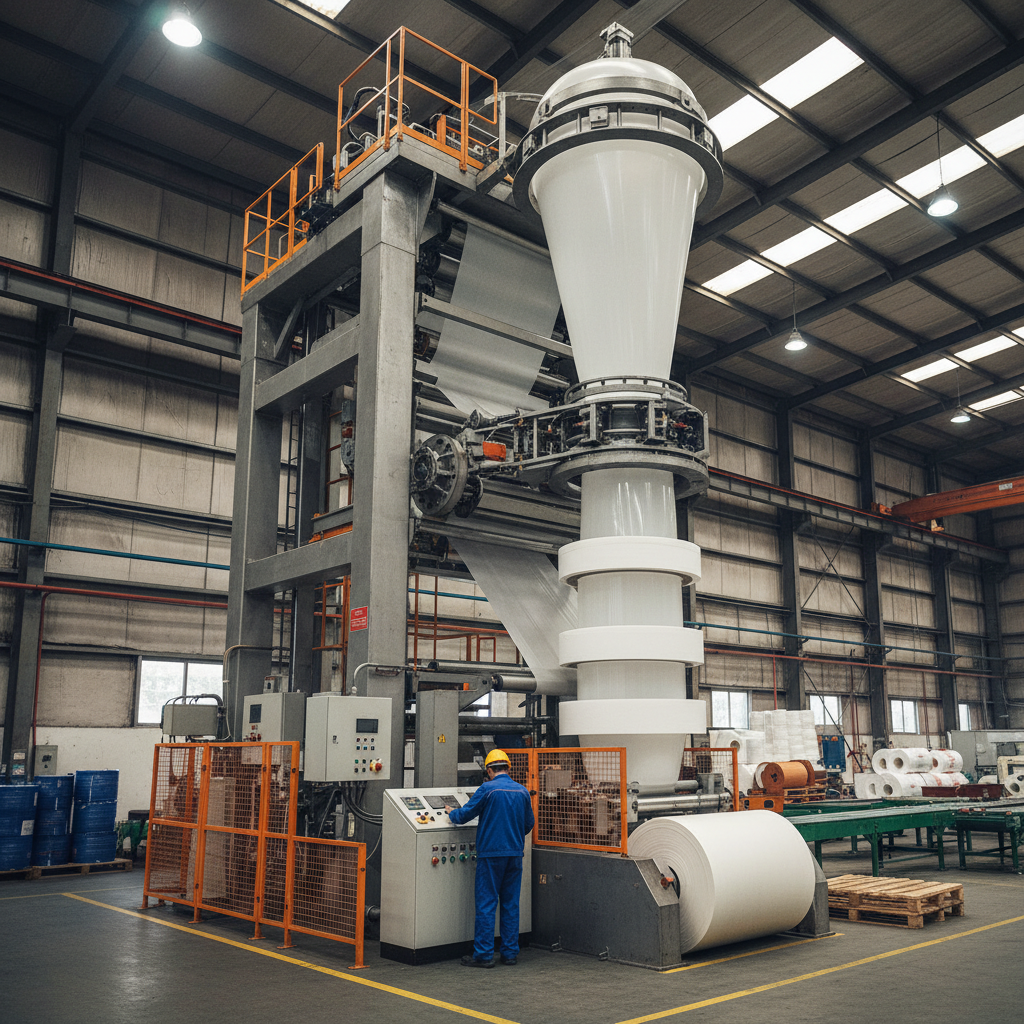
Blown film manufacturing is an extrusion process used to create a plastic film tube. In this process, molten plastic is extruded through a circular die, forming a tube. This tube is then inflated with air, stretching the plastic both vertically and horizontally, resulting in a thin-walled film. The film is then cooled, collapsed, and wound onto a roll.
This technique differs from cast film manufacturing, where the molten plastic is cooled on a chilled roller. Blown film generally offers better strength and thickness uniformity, making it ideal for applications requiring robust packaging. The process is integral to providing solutions to modern industry needs.
The connection to humanitarian needs also exists; durable and lightweight plastic films, created through blown film manufacturing, are used in critical applications like water storage, shelter construction, and food preservation in disaster relief and developing regions.
Core Components of the Process
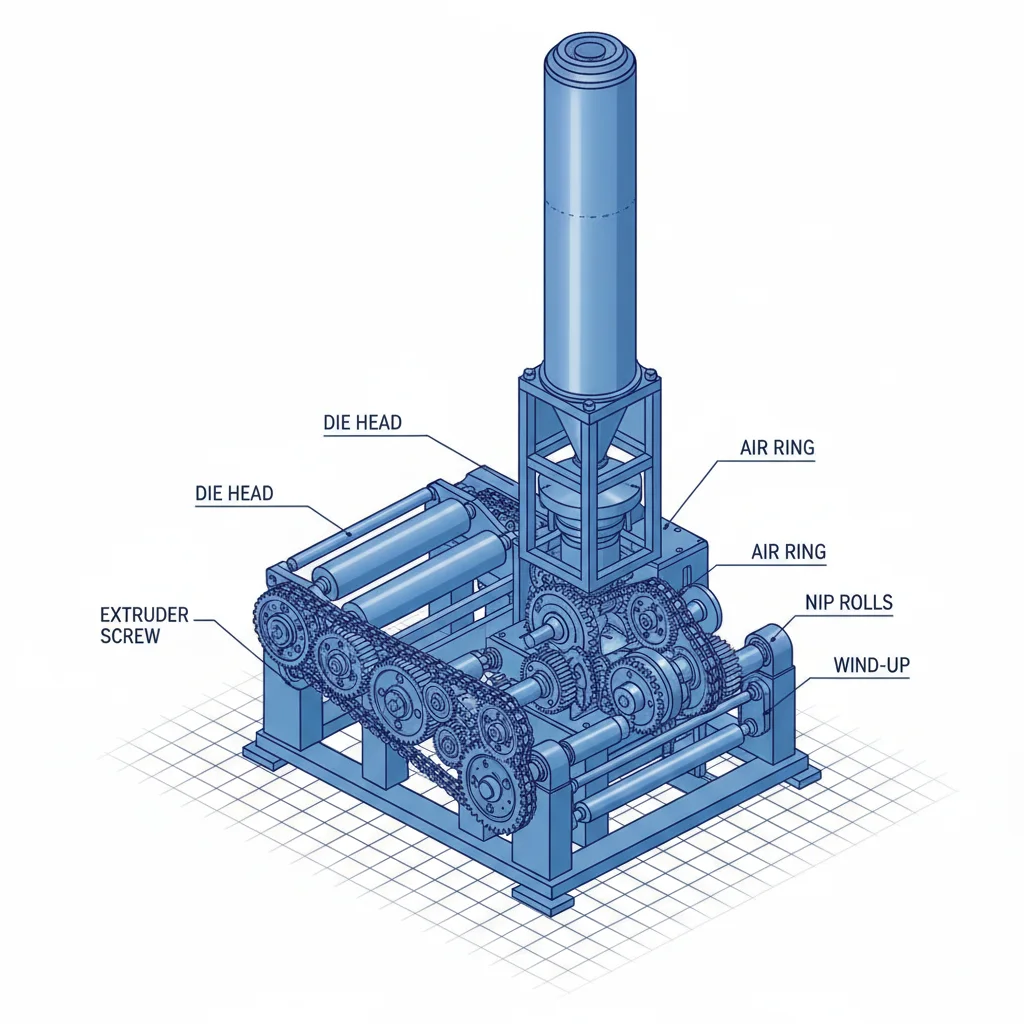
Several key components work in concert to execute the blown film manufacturing process effectively. These include the extruder, which melts and homogenizes the plastic resin; the die, which shapes the molten plastic into a circular tube; and the air ring, which cools and stabilizes the film.
Further critical components involve the nip rollers, used to flatten and wind the film, and the take-up system, which controls the film's tension and winding speed. Precise control over each of these elements is essential for achieving consistent film quality and desired properties. Proper resin selection is also critical for blown film manufacturing success.
Finally, automation and control systems play an increasingly important role, monitoring process parameters like temperature, pressure, and film thickness to ensure optimal performance and minimize waste. These systems allow for real-time adjustments, resulting in improved efficiency and product consistency.
Key Factors Influencing Film Quality
Achieving high-quality blown film relies on carefully controlling several critical factors. Die swell, the tendency of the molten plastic to expand after exiting the die, significantly impacts film thickness and uniformity. Proper die design and processing parameters are essential to minimize unwanted swell.
The blow-up ratio (BUR), which represents the ratio of the film's diameter to the die diameter, influences film strength and optical properties. Higher BURs generally lead to increased strength but can also introduce imperfections.
Blown Film Manufacturing Performance Metrics
Global Applications and Industry Impact
Blown film manufacturing’s influence is deeply interwoven into a multitude of global industries. The packaging sector is, by far, the largest consumer, utilizing blown film for food packaging, consumer goods wrapping, and industrial product protection. In post-disaster relief operations, durable blown film is employed for temporary shelters and water collection systems.
Agriculture relies heavily on blown film for greenhouse coverings, silage films, and irrigation tubing, enhancing crop yields and protecting against harsh weather conditions. In remote industrial zones, the availability of locally produced blown film materials can significantly streamline supply chains and reduce costs.
The medical industry employs specialized blown films in intravenous bags, surgical drapes, and pharmaceutical packaging, demanding high levels of purity and sterility. As the demand for sustainable packaging rises, more companies are investigating biodegradable and compostable blown film options.
Advantages and Long-Term Value
The advantages of blown film manufacturing are multi-faceted. Cost-efficiency is a primary benefit, owing to the relatively low material and processing costs compared to other film production methods. The process also offers exceptional design flexibility, allowing for the creation of films with tailored thicknesses, widths, and properties.
Sustainability is increasingly becoming a key advantage, with the growing adoption of recycled materials and biodegradable polymers in blown film production. Long-term reliability is also ensured, creating packaging and protective layers that maintain their integrity over time, thus reducing waste and protecting the contents within.
Future Trends and Innovations in Blown Film Manufacturing
The future of blown film manufacturing is poised for significant advancements. The incorporation of artificial intelligence and machine learning into process control systems will enable more precise and efficient production, minimizing waste and maximizing product quality. Development of new and advanced materials such as multilayer films with enhanced barrier properties is also predicted.
Green energy integration, such as utilizing renewable energy sources to power extrusion equipment, is gaining traction as companies seek to reduce their carbon footprint. Automation and robotics will continue to play a larger role, streamlining operations and reducing labor costs. Furthermore, digital transformation will enable real-time data analysis and predictive maintenance, optimizing overall productivity.
The integration of blockchain technology for tracking material provenance and ensuring supply chain transparency is also an emerging trend, addressing consumer demand for greater accountability and sustainability in blown film manufacturing processes.
Summary of Core Factors in Blown Film Manufacturing Process Optimization
Generate the first paragraph around theme seven here
Generate the second paragraph around theme seven here
Generate the third paragraph around theme seven here
Summary of Core Factors in Blown Film Manufacturing Process Optimization
| Parameter |
Impact on Quality |
Control Method |
Optimization Score (1-10) |
| Extruder Temperature |
Affects melt viscosity and film clarity |
Precise temperature control systems |
9 |
| Blow-Up Ratio (BUR) |
Influences film strength and thickness |
Adjusting air pressure and haul-off speed |
8 |
| Die Swell |
Impacts film thickness uniformity |
Optimized die design and resin selection |
7 |
| Cooling Rate |
Affects film crystallinity and shrinkage |
Air ring temperature and airflow control |
8 |
| Resin Melt Index |
Determines film processability and strength |
Selecting appropriate resin grade |
9 |
| Film Tension |
Influences film flatness and winding quality |
Adjusting nip roller pressure and take-up speed |
7 |
FAQS
Blown film is created by inflating a plastic tube, resulting in higher strength and better thickness uniformity, while cast film is cooled on a roller, often offering superior clarity and smoothness. The choice depends on the application. Blown film is generally favored for applications requiring greater tear resistance, whereas cast film is better suited where optical properties are paramount. Both processes are vital components of flexible packaging manufacturing, each offering distinct advantages.
Polyethylene (PE), polypropylene (PP), and polyethylene terephthalate (PET) are the most commonly used plastics. Low-density polyethylene (LDPE) is often used for flexible packaging, while high-density polyethylene (HDPE) provides greater strength. PP offers good chemical resistance and is suitable for food packaging. PET is used for applications requiring high clarity and barrier properties. The selection of material is based on the film’s intended use.
The blow-up ratio (BUR) significantly impacts film characteristics. A higher BUR generally increases film strength in the machine direction but can also lead to thinner film in the transverse direction. It can also affect clarity and haze. Careful control of the BUR is crucial for achieving the desired balance of properties based on the application requirements. Adjusting the BUR is a key aspect of blown film manufacturing optimization.
Common defects include pinholes, wrinkles, uneven thickness, and haze. Pinholes can arise from contaminants in the resin or issues with the die. Wrinkles are often caused by uneven cooling or improper tension control. Uneven thickness results from variations in temperature or pressure. Haze can be caused by poor resin quality or processing parameters. Proper monitoring and adjustments can minimize these defects.
Sustainability can be enhanced through several strategies, including utilizing recycled plastics, incorporating biodegradable polymers, reducing material waste through optimized process control, and reducing energy consumption. Employing closed-loop recycling systems and exploring bio-based alternatives are also viable options. These improvements align with growing consumer demand for environmentally responsible packaging solutions.
Automation is pivotal in modern blown film manufacturing, improving efficiency, consistency, and reducing labor costs. Automated systems control critical parameters like temperature, pressure, and film thickness, enabling real-time adjustments. Automated winding and handling systems enhance production rates and minimize material waste. These advancements result in higher quality products and reduced operational expenses.
Conclusion
In conclusion, blown film manufacturing remains a cornerstone of the packaging and materials industries, offering a versatile and cost-effective solution for producing a wide range of plastic films. Its adaptability, coupled with ongoing innovations in materials, processing technologies, and sustainability practices, ensures its continued relevance in a dynamic global market. Understanding the intricacies of this process—from resin selection to process optimization—is crucial for success.
Looking ahead, embracing digital transformation, prioritizing sustainability, and investing in advanced automation will be essential for maximizing efficiency and minimizing environmental impact. As consumer demand for eco-friendly packaging and high-performance materials continues to grow, the future of blown film manufacturing lies in continuous improvement and innovation. For more information and advanced solutions, visit our website: www.cnchsj.com