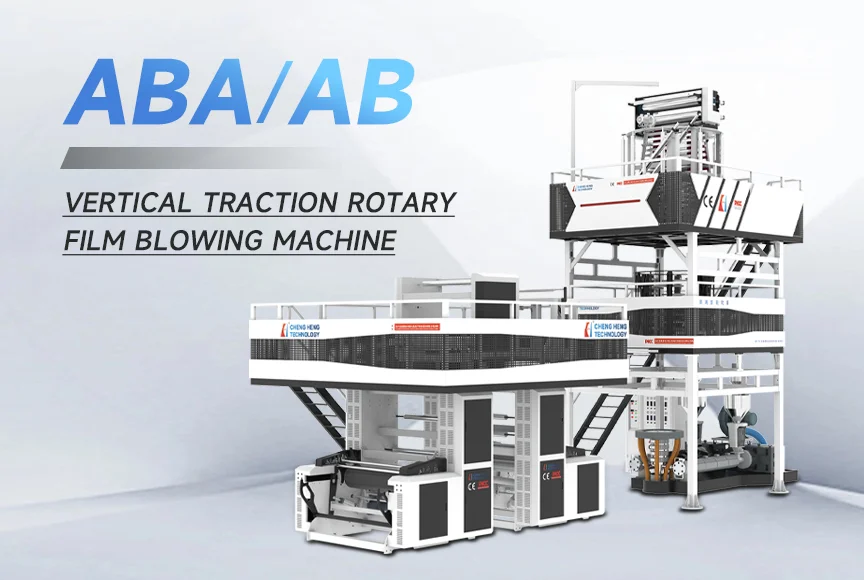
The world faces increasing demands for efficient and scalable manufacturing solutions. The blow extrusion machine plays a crucial role in meeting these demands, particularly in sectors requiring high-volume production of hollow plastic products. From packaging and containers to automotive parts and industrial components, this technology is foundational to modern supply chains. Understanding its principles, applications, and future trends is vital for professionals and businesses navigating today’s complex industrial landscape.
Globally, the plastic processing industry is a multi-billion dollar market, with blow molding representing a significant segment. According to industry reports, the demand for blow-molded products continues to rise, driven by factors like population growth, urbanization, and the need for lightweight, durable materials. A key challenge lies in balancing production efficiency with environmental sustainability, prompting innovation in materials and processes within the blow extrusion machine domain.
The blow extrusion machine offers a cost-effective and versatile solution for producing hollow plastic parts. It’s a critical technology for industries focused on delivering essential goods, contributing significantly to global economic output and addressing consumer needs worldwide.
The Fundamentals of blow extrusion machine
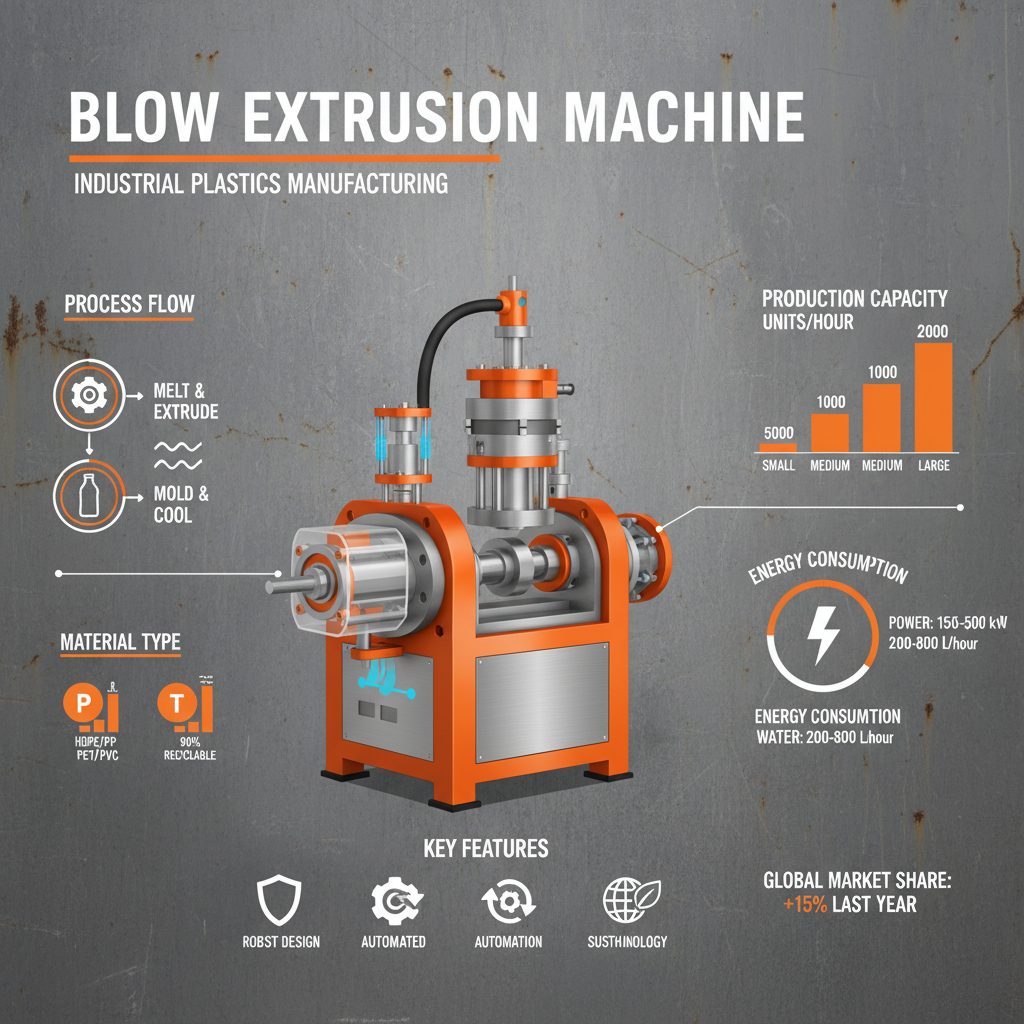
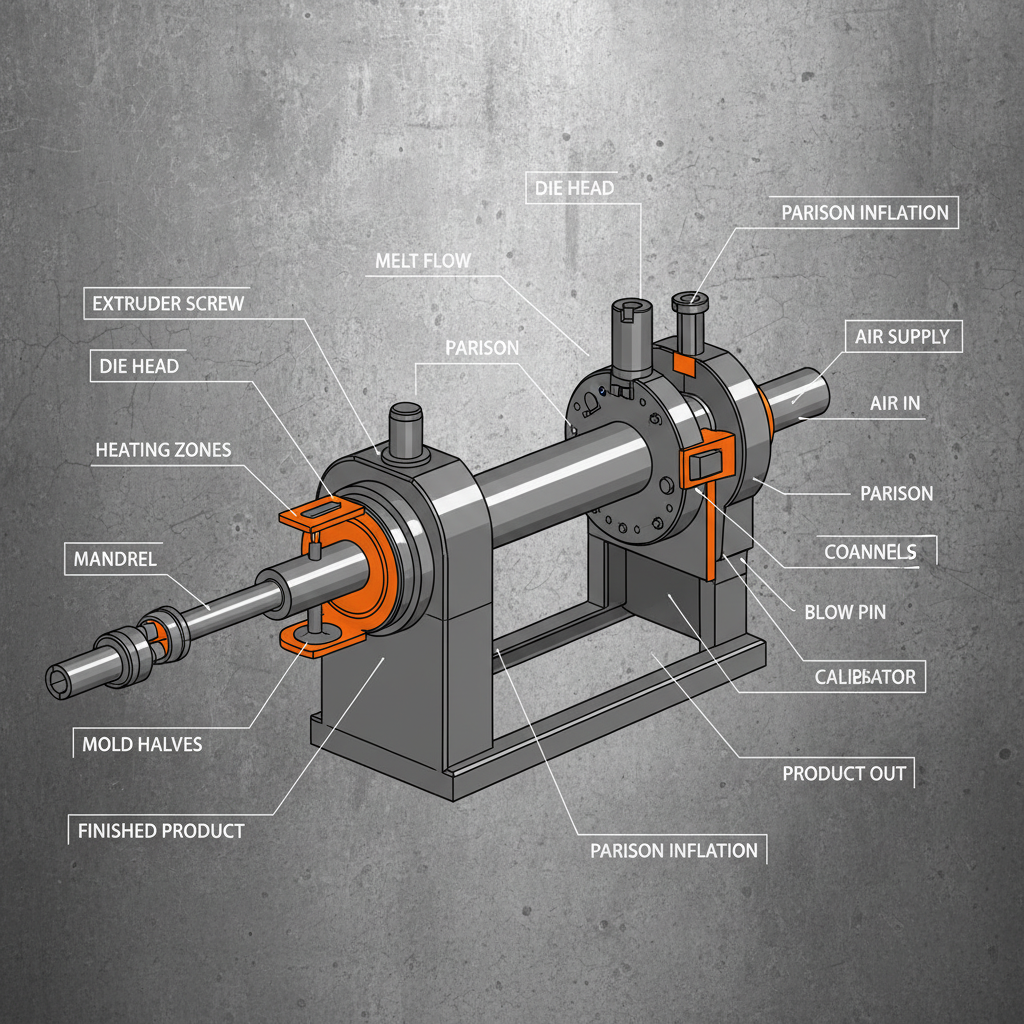
At its core, a blow extrusion machine creates hollow plastic parts by inflating a molten plastic tube (parison) inside a mold. This process utilizes compressed air to force the plastic against the mold walls, shaping it into the desired form. The efficiency and precision of this process are paramount for high-volume manufacturing.
Understanding the interplay between material properties, machine parameters, and mold design is crucial for achieving optimal results. The technology’s adaptability allows it to work with various thermoplastics, including polyethylene (PE), polypropylene (PP), and polyvinyl chloride (PVC), making it suitable for a wide range of applications.
Global Relevance and Industry Impact
The blow extrusion machine is a cornerstone of the global packaging industry, responsible for producing billions of bottles, containers, and other hollow plastic products annually. The Asia-Pacific region represents the largest and fastest-growing market, driven by rising consumer demand and increasing industrialization.
The automotive industry relies heavily on blow-molded components for fuel tanks, air ducts, and various interior parts. The demand for lightweight materials in the automotive sector further fuels the growth of this technology. Data from the International Organization for Standardization (ISO) shows a consistent upward trend in the adoption of blow molding processes for automotive applications.
Beyond these sectors, the medical, pharmaceutical, and agricultural industries also utilize blow-molded products extensively. The ability to create sterile, durable, and cost-effective containers makes the blow extrusion machine an indispensable tool in these critical fields.
Defining blow extrusion machine: A Technical Overview
A blow extrusion machine is fundamentally a plastic processing system that combines extrusion and blow molding techniques. It begins with melting plastic resin and extruding it into a parison—a hollow tube of plastic. This parison is then clamped into a mold, and compressed air is blown into it, expanding the plastic to conform to the mold’s shape.
The process differs from injection blow molding in that it extrudes the parison continuously, rather than injecting molten plastic into a preform mold. This continuous extrusion makes it particularly well-suited for producing large quantities of identical parts efficiently. It’s a vital technology in industries where container standardization is important.
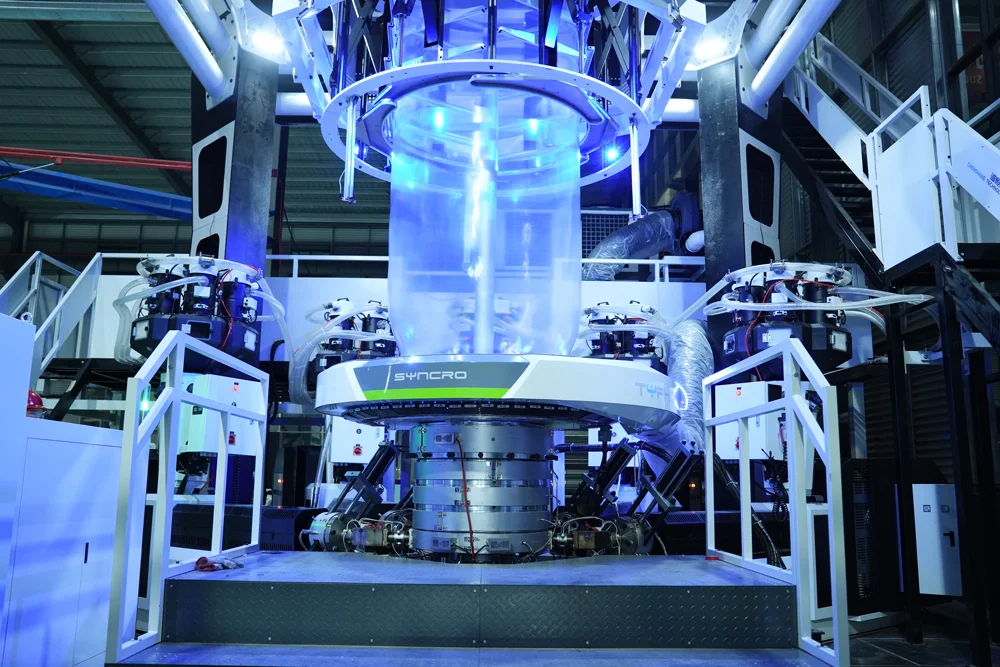
Key components include the extruder, die head, mold, air blow system, and control panel. Modern machines are often automated and equipped with advanced sensors and control systems to ensure consistent quality and optimize production parameters.
Core Components and Key Factors
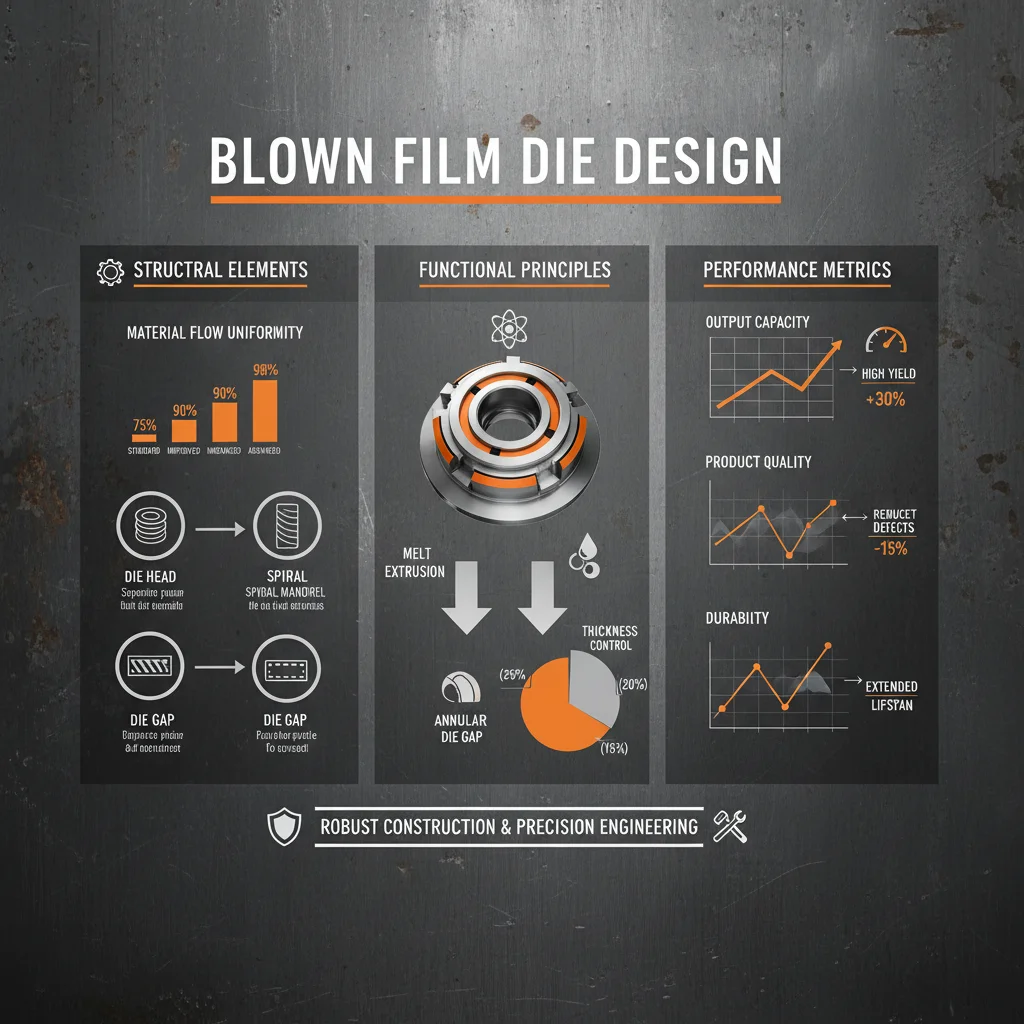
Several core components dictate the performance of a blow extrusion machine. The extruder, responsible for melting and delivering the plastic, must be precisely controlled to ensure consistent material flow. The die head’s design influences parison thickness and uniformity.
The mold's quality and cooling system are also critical. Efficient cooling ensures rapid solidification and reduces cycle times. Furthermore, the air blow system must deliver consistent pressure to achieve optimal part formation. These elements working in harmony deliver superior results.
blow extrusion machine Performance Metrics
Applications Across Industries and Regions
The blow extrusion machine finds applications across a remarkably diverse range of industries. The packaging sector, for example, relies on it for producing bottles for beverages, household cleaners, and personal care products. This is particularly prominent in North America and Europe.
In the automotive industry, blow-molded components are used for fuel tanks, air intake systems, and various ducting applications, with significant demand in Germany and Japan. Agricultural applications include the production of large containers for fertilizers and pesticides, essential in regions like Brazil and the United States.
The Advantages and Long-Term Value Proposition
The primary advantage of the blow extrusion machine lies in its cost-effectiveness, particularly for high-volume production runs. Compared to alternative molding methods, it typically requires lower tooling costs and offers faster cycle times. This translates into significant savings for manufacturers.
Moreover, the technology is remarkably versatile, capable of producing a wide variety of shapes and sizes. Sustainability is increasingly addressed through the use of recycled materials and the development of lighter-weight designs, contributing to reduced carbon footprints. Reliability ensures minimal downtime and consistent product quality.
Future Trends and Innovation in blow extrusion machine
The future of blow extrusion machine technology is characterized by a push for increased automation, enhanced material capabilities, and greater sustainability. The integration of Industry 4.0 principles, such as real-time data analytics and predictive maintenance, is becoming increasingly prevalent.
Researchers are exploring the use of bio-based plastics and biodegradable materials in blow molding processes. This would reduce reliance on fossil fuels and minimize environmental impact. Advanced control systems and improved mold designs will continue to optimize efficiency and product quality.
Digitalization and smart manufacturing are driving the development of interconnected machines and optimized production workflows. This transformation is poised to revolutionize the blow molding industry, leading to greater efficiency, reduced waste, and more sustainable practices.
Core Challenges and Solutions for blow extrusion machine
| Challenge |
Impact on blow extrusion machine |
Potential Solution |
Implementation Cost (1-10) |
| Material Waste |
Reduced profitability and environmental concerns. |
Implement advanced parison programming and scrap recycling systems. |
6 |
| Cycle Time |
Lower production output and increased costs. |
Optimize cooling systems and automate mold changes. |
7 |
| Mold Design Complexity |
Increased tooling costs and longer lead times. |
Utilize 3D printing for rapid prototyping and mold creation. |
8 |
| Quality Control |
Defective products and customer dissatisfaction. |
Implement automated inspection systems with vision technology. |
5 |
| Operator Skill Gap |
Inconsistent production quality and increased errors. |
Provide comprehensive training programs and intuitive machine interfaces. |
4 |
| Energy Consumption |
High operating costs and environmental impact. |
Employ energy-efficient motors, lighting, and optimized process parameters. |
6 |
FAQS
Blow extrusion machines excel in producing hollow plastic parts with relatively low tooling costs and fast cycle times, making them ideal for high-volume production. They're particularly well-suited for creating containers and bottles. Compared to injection molding, blow molding offers greater design flexibility for certain shapes, and compared to rotational molding, it provides better dimensional control and surface finish. This makes blow extrusion machine an economical and efficient choice for many applications.
A wide range of thermoplastic materials can be processed using blow extrusion machines, including polyethylene (PE), polypropylene (PP), polyvinyl chloride (PVC), polyethylene terephthalate (PET), and polycarbonate (PC). The choice of material depends on the desired properties of the finished product, such as strength, flexibility, chemical resistance, and transparency. The blow extrusion machine allows for processing both virgin and recycled materials.
Mold design is crucial for achieving the desired shape, dimensions, and surface finish of the blow-molded product. Factors such as mold material, cooling channels, venting, and cavity layout significantly impact the molding process. Proper mold design ensures uniform wall thickness, minimizes stress concentrations, and prevents defects like warping or sink marks. The blow extrusion machine's performance is heavily reliant on a well-engineered mold.
Regular maintenance is essential for ensuring the reliable operation and longevity of a blow extrusion machine. Key maintenance tasks include cleaning the extruder and die head, inspecting and replacing worn parts (such as screws, barrels, and nozzles), checking the air blow system for leaks, and calibrating sensors and controllers. Following the manufacturer's recommended maintenance schedule is critical.
Operating a blow extrusion machine requires strict adherence to safety protocols. This includes wearing appropriate personal protective equipment (PPE), such as safety glasses, gloves, and hearing protection. Operators should be trained on proper machine operation, emergency shutdown procedures, and lockout/tagout procedures. Ensuring adequate ventilation and guarding moving parts are also critical safety measures.
Several strategies can enhance the sustainability of blow molding. Using recycled plastic materials, optimizing parison design to reduce material usage, implementing closed-loop recycling systems, and investing in energy-efficient machines are all effective approaches. Utilizing bio-based plastics and exploring biodegradable materials also contribute to a more sustainable operation, alongside proper waste management and reduced energy consumption.
Conclusion
The blow extrusion machine remains a cornerstone of modern plastic manufacturing, providing a versatile and cost-effective solution for producing a wide range of hollow plastic products. Its adaptability, coupled with ongoing innovations in materials and automation, ensures its continued relevance in a rapidly evolving industrial landscape. Understanding the core principles, applications, and future trends of this technology is crucial for success in today's competitive market.
Looking ahead, the industry will likely focus on enhancing sustainability, optimizing energy efficiency, and integrating smart manufacturing technologies. Investing in advanced blow extrusion machine equipment and skilled personnel will be essential for manufacturers seeking to remain competitive and meet the growing demands of a globalized world. Visit our website at www.cnchsj.com to learn more about our solutions.