The global packaging industry relies heavily on efficient film production, and the blown film extruder machine is at the heart of this process. These machines transform plastic resin into thin, flexible films used for a vast array of applications, from food packaging to agricultural films and industrial liners. Understanding the nuances of this technology is crucial for businesses seeking to optimize production, reduce costs, and meet evolving market demands.
The demand for blown film is directly linked to population growth, consumer spending, and the expanding need for protective and convenient packaging. The United Nations projects a global population of nearly 10 billion by 2050, further fueling the need for efficient packaging solutions. Furthermore, the growth of e-commerce and the associated demand for protective shipping materials has significantly increased the reliance on blown film.
Investing in knowledge about blown film extruder machine technology isn’t just for manufacturers. It benefits packaging designers, material scientists, quality control personnel, and anyone involved in the supply chain. A comprehensive understanding of the process unlocks opportunities for innovation, improved sustainability, and a competitive edge in the global marketplace.
Introduction to Blown Film Extrusion
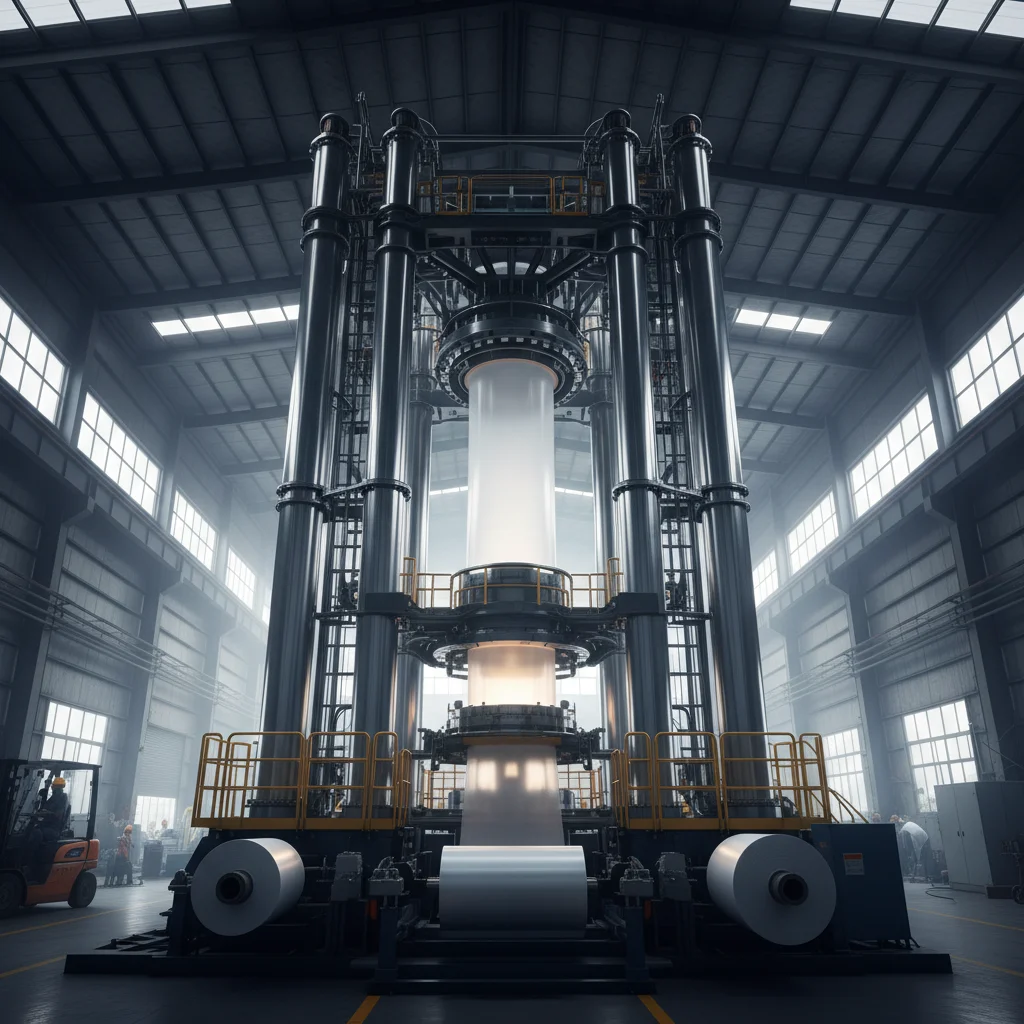
Blown film extrusion is a widely used plastic film manufacturing process that creates a continuous tube of plastic. This tube is then inflated with air to the desired dimensions, cooled, and flattened into a film. The process is incredibly versatile, allowing for the production of films with varying thicknesses, widths, and properties. The efficiency and adaptability of the blown film extruder machine makes it indispensable for a multitude of industries.
The history of blown film extrusion traces back to the mid-20th century, evolving from earlier methods of plastic film production. Continuous advancements in materials, die technology, and automation have dramatically increased the speed, precision, and cost-effectiveness of the process. This ongoing evolution ensures that blown film remains a cornerstone of modern packaging and related industries.
Defining the Blown Film Extruder Machine
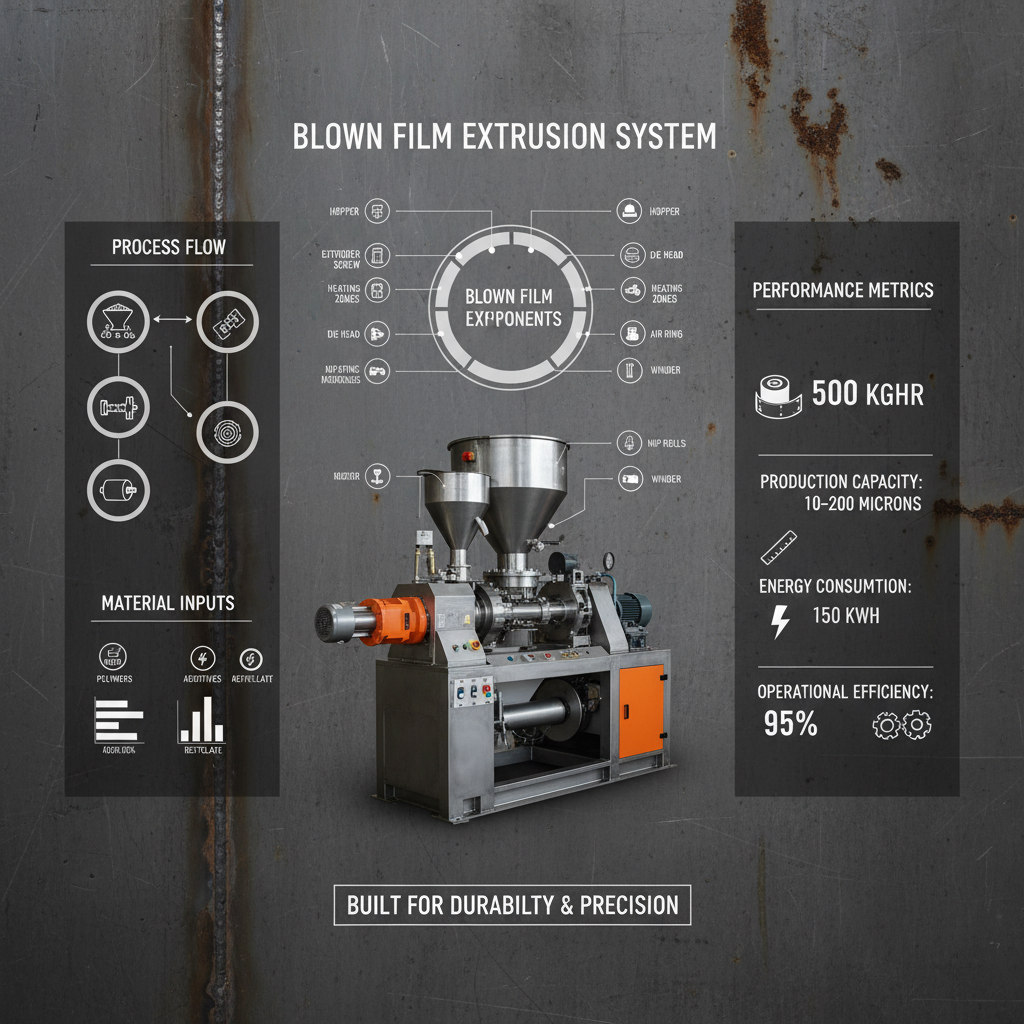
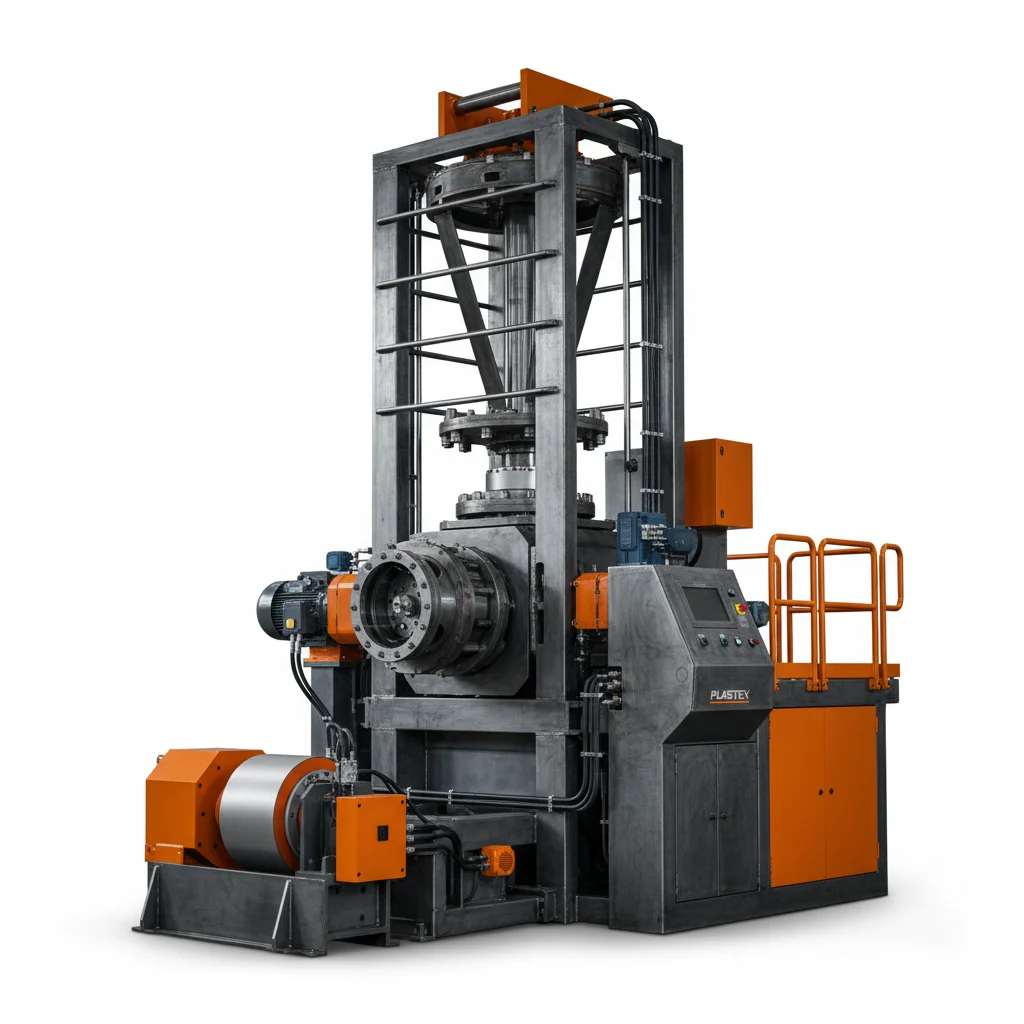
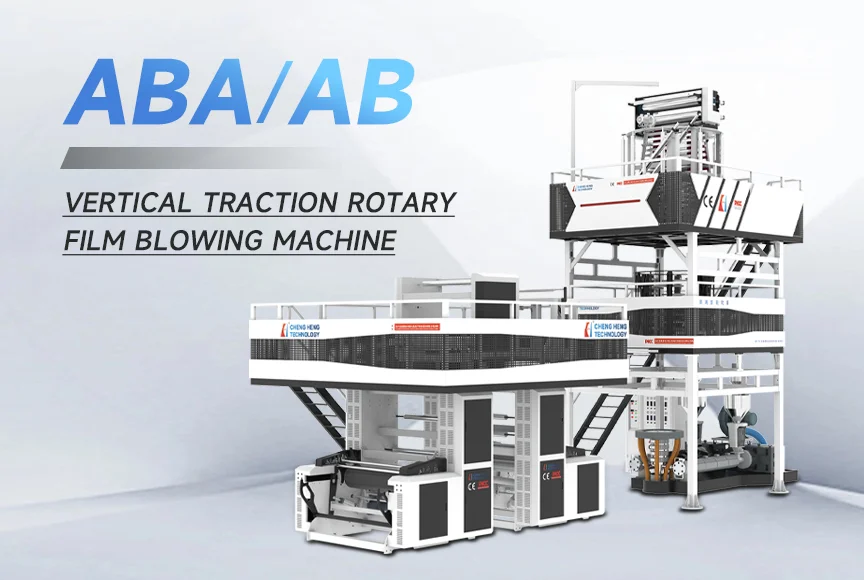
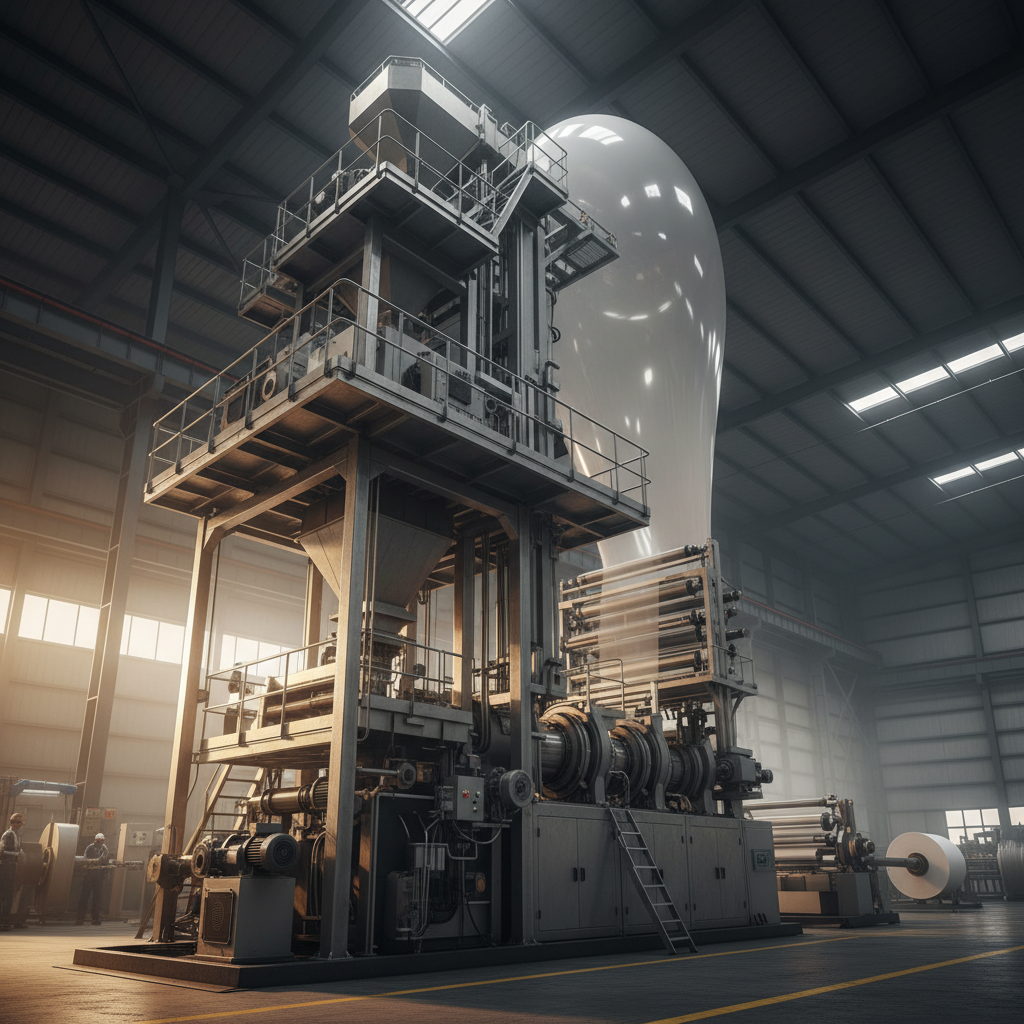
A blown film extruder machine is a complex system designed to melt plastic resin, force it through a circular die, and inflate it into a thin-walled tube. The core components include the extruder (which melts and homogenizes the plastic), the die (which shapes the molten plastic), the air ring (which cools the inflated film), and the take-up system (which winds the film onto a roll). The interplay of these components dictates the film’s final properties.
Essentially, it’s a sophisticated version of blowing a bubble with soap, but with controlled temperatures, pressures, and material composition. The machine's ability to regulate these parameters allows for precise control over film thickness, width, and clarity. Modern machines often incorporate advanced control systems and sensors for real-time monitoring and adjustment.
The connection to modern industry and humanitarian needs lies in the widespread application of plastic film. From preserving food and extending shelf life to providing protective barriers in medical packaging and creating durable agricultural films, blown film plays a vital role in numerous sectors critical to global well-being.
Key Components and Operational Factors
Several key factors influence the quality and efficiency of the blown film extrusion process. The extruder screw design, for example, directly impacts the mixing and melting of the plastic resin. Different screw designs are optimized for specific materials and throughput rates. Precise temperature control throughout the system is also critical to prevent degradation of the plastic and ensure consistent film quality.
The die is another crucial component. Its design dictates the bubble's initial shape and the film's thickness distribution. Air ring design plays a significant role in efficient cooling, which stabilizes the bubble and determines the film's clarity and mechanical properties. The take-up system regulates the winding tension and speed, impacting the film's flatness and overall quality. Furthermore, proper resin selection based on the application is fundamental to ensure the final product meets specific requirements.
Operational factors, such as the blow-up ratio (the ratio of the bubble's diameter to the die diameter) and the draw-down ratio (the ratio of the bubble's height to its diameter), significantly impact the film’s mechanical properties and thickness. Optimizing these parameters is essential for achieving the desired film characteristics and maximizing production efficiency.
Performance Metrics of Blown Film Extruders
Evaluating the performance of a blown film extruder machine requires careful consideration of several key metrics. Throughput, measured in kilograms per hour, indicates the machine’s production capacity. Film thickness consistency, often expressed as a standard deviation, reflects the precision of the extrusion process.
Other critical metrics include film clarity (measured by haze and gloss), tensile strength (indicating the film’s resistance to tearing), and dart impact strength (measuring its resistance to puncture). These metrics are essential for ensuring that the film meets the specific requirements of its intended application.
Comparison of Extruder Performance
Global Applications Across Industries
The applications of blown film are remarkably diverse. In the food packaging industry, it’s used for creating bags, pouches, and wraps that preserve freshness and extend shelf life. The agricultural sector utilizes blown film for greenhouse coverings, mulch films, and silage wraps. Industrial applications include protective packaging for goods in transit, construction materials, and medical packaging.
Regionally, demand is particularly high in Asia-Pacific, driven by rapid economic growth and increasing consumer spending. Europe and North America represent mature markets with a focus on sustainable packaging solutions. In post-disaster relief operations, blown film provides essential shelter and protective coverings.
Advantages and Long-Term Value Proposition
The advantages of using a blown film extruder machine are significant. Cost-efficiency is a primary benefit, as the process minimizes material waste and allows for high-volume production. The versatility of the process allows for the creation of films with tailored properties, meeting specific application requirements. Reliability and durability of the resulting films are also key advantages.
From a long-term perspective, investing in modern blown film technology offers a pathway to innovation, sustainability, and enhanced competitiveness. The ability to produce lightweight, durable, and recyclable films aligns with growing consumer demand for environmentally responsible packaging. Furthermore, the adoption of advanced automation and control systems improves operational efficiency and reduces labor costs.
Future Trends and Technological Advancements
The future of blown film extrusion is being shaped by several key trends. The development of bio-based and biodegradable polymers is driving demand for sustainable film solutions. Digitalization and automation are transforming the extrusion process, enabling real-time monitoring, predictive maintenance, and optimized performance.
Furthermore, advancements in die technology are leading to the production of films with enhanced properties and reduced thickness. The integration of Industry 4.0 principles, such as data analytics and machine learning, will further optimize the process and unlock new levels of efficiency and control. The focus on circular economy principles will also drive innovation in film recycling and reuse technologies.
These advancements are crucial for addressing the growing need for sustainable packaging solutions and reducing the environmental impact of plastic film production.
Challenges and Potential Solutions
Despite its advantages, blown film extrusion faces certain challenges. Maintaining consistent film thickness and quality can be difficult, particularly with complex film structures and high production speeds. Material waste remains a concern, and the environmental impact of plastic production is a growing challenge.
Potential solutions include implementing advanced control systems with real-time feedback, optimizing die design to improve material distribution, and investing in recycling technologies. Exploring alternative materials, such as bio-based polymers, and adopting circular economy principles are also crucial steps towards a more sustainable future.
Furthermore, enhanced operator training and preventative maintenance programs can minimize downtime and improve overall efficiency.
Summary of Challenges and Solutions in Blown Film Extrusion
| Challenge |
Impact on Production |
Potential Solution |
Implementation Cost (1-10) |
| Inconsistent Film Thickness |
Reduced product quality, increased waste |
Advanced control systems with real-time feedback |
7 |
| Material Waste |
Increased production costs, environmental impact |
Optimized die design and scrap recycling |
5 |
| Environmental Impact |
Negative public perception, regulatory pressure |
Bio-based polymers and circular economy initiatives |
8 |
| Machine Downtime |
Reduced production capacity, increased costs |
Preventative maintenance programs and remote diagnostics |
6 |
| Operator Skill Gap |
Inconsistent quality, inefficient operation |
Comprehensive training programs and skill development |
4 |
| Complex Film Structures |
Increased process complexity, potential for defects |
Advanced co-extrusion technology and process optimization |
9 |
FAQS
Single-layer extrusion uses a single die to create a film from one type of resin. Multi-layer extrusion, however, utilizes multiple extruders and dies to combine different materials into a single film. This allows for enhanced properties like barrier protection, strength, and sealability. Multi-layer films are more complex to produce but offer superior performance for many applications. This process is highly applicable to improving the quality of film produced by a blown film extruder machine.
The frequency of die cleaning depends on the type of resin being processed and the production schedule. Generally, it’s recommended to clean the die after every 8-12 hours of continuous operation or whenever a noticeable reduction in film quality occurs. Regular cleaning prevents build-up of resin, ensuring consistent film thickness and clarity. Neglecting this maintenance can severely impact the output of a blown film extruder machine.
Film wrinkling can be caused by several factors, including uneven cooling, improper air ring adjustment, excessive draw-down ratio, or inconsistent resin melt temperature. It can also be caused by issues with the take-up system or variations in resin density. Troubleshooting requires a systematic approach to identify and address the root cause. Using high-quality equipment, like a blown film extruder machine can reduce the likelyhood of this issue.
The screw design significantly impacts the melting, mixing, and conveying of the plastic resin. Different screw designs are optimized for specific resin types and production requirements. For example, a barrier screw promotes efficient melting and prevents melt fracture, while a mixing screw ensures homogenous blending of additives. Selecting the right screw is crucial for achieving desired film properties.
Increasing the blow-up ratio (the ratio of bubble diameter to die diameter) generally increases the film’s transverse strength and toughness. However, it also requires more precise control over the process and can lead to increased instability if not properly managed. Finding the optimal blow-up ratio involves balancing desired mechanical properties with process stability.
Improving energy efficiency involves several strategies, including optimizing temperature profiles, utilizing energy-efficient motors and drives, recovering waste heat, and implementing proper insulation. Regular maintenance of the blown film extruder machine and its components also helps to minimize energy consumption. Investing in modern, energy-efficient equipment is a long-term solution.
Conclusion
In conclusion, the blown film extruder machine remains a pivotal technology in the global packaging and plastics industries. Its versatility, efficiency, and continuous evolution make it indispensable for a wide range of applications. Understanding the core principles of operation, key components, and emerging trends is essential for maximizing its potential and achieving sustainable production.
Looking ahead, the future of blown film extrusion lies in embracing innovation, adopting sustainable materials, and integrating digital technologies. By focusing on these areas, manufacturers can unlock new levels of performance, reduce environmental impact, and meet the evolving needs of the global marketplace. Visit our website at www.cnchsj.com to explore our range of blown film extruder machines and solutions.