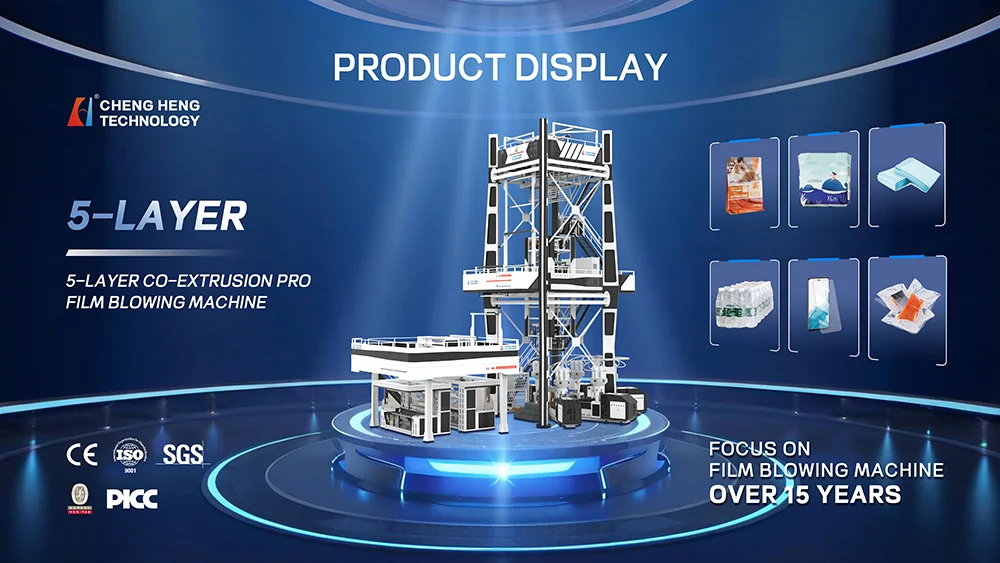
The global demand for flexible packaging solutions is consistently rising, driven by industries like food & beverage, pharmaceuticals, and consumer goods. Central to meeting this demand is the efficient and reliable production of plastic film, making the blown film extrusion machine for sale a crucial piece of equipment for manufacturers worldwide. Understanding the intricacies of these machines – from their core components to the latest technological advancements – is essential for businesses looking to optimize production, reduce costs, and maintain a competitive edge in the dynamic packaging market.
The proliferation of blown film technology has significantly impacted logistical efficiency, product protection, and shelf life extension. Industries benefit from a versatile material ideal for various applications—from grocery bags to heavy-duty industrial liners. Access to a quality blown film extrusion machine for sale is no longer simply a production consideration; it’s a foundational element for supply chain resilience and successful market penetration.
As environmental concerns intensify, the focus on sustainable packaging solutions is growing. Innovations in blown film extrusion, incorporating recycled materials and biodegradable polymers, are becoming increasingly important. Investing in modern blown film extrusion machine for sale capable of handling these materials is vital for companies striving to meet evolving consumer demands and regulatory requirements.
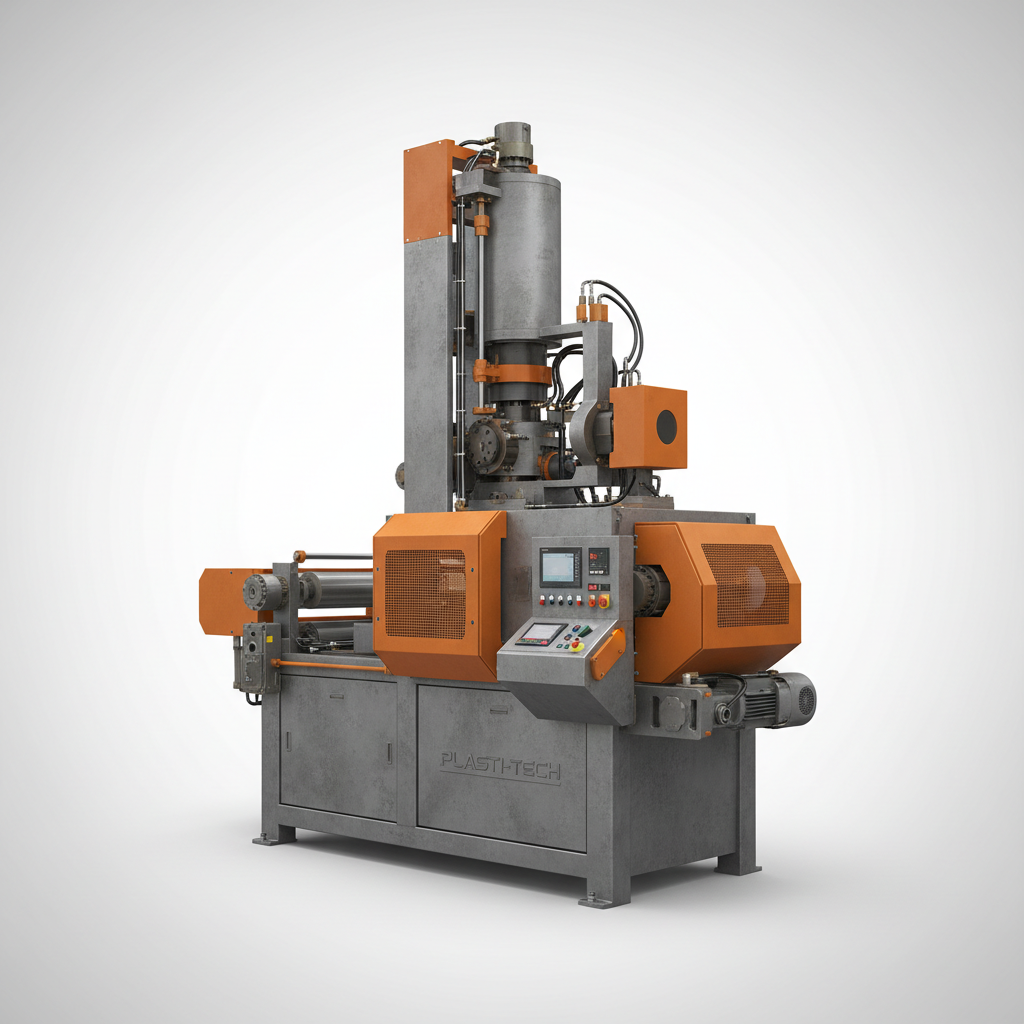
The Importance of Blown Film Extrusion Machine for Sale
Access to a reliable blown film extrusion machine for sale is paramount for businesses aiming to manufacture plastic film for a diverse range of applications. The efficiency and capability of this equipment directly impact production costs, product quality, and overall competitiveness within the packaging industry. Understanding the nuances of different machine types, automation levels, and customization options is crucial for making an informed investment.
The market for blown film is expansive, with applications spanning food packaging, agricultural films, industrial liners, and more. A well-chosen blown film extrusion machine for sale enables manufacturers to tap into these markets effectively, responding to evolving consumer demands and industry standards.
Understanding Blown Film Extrusion Technology
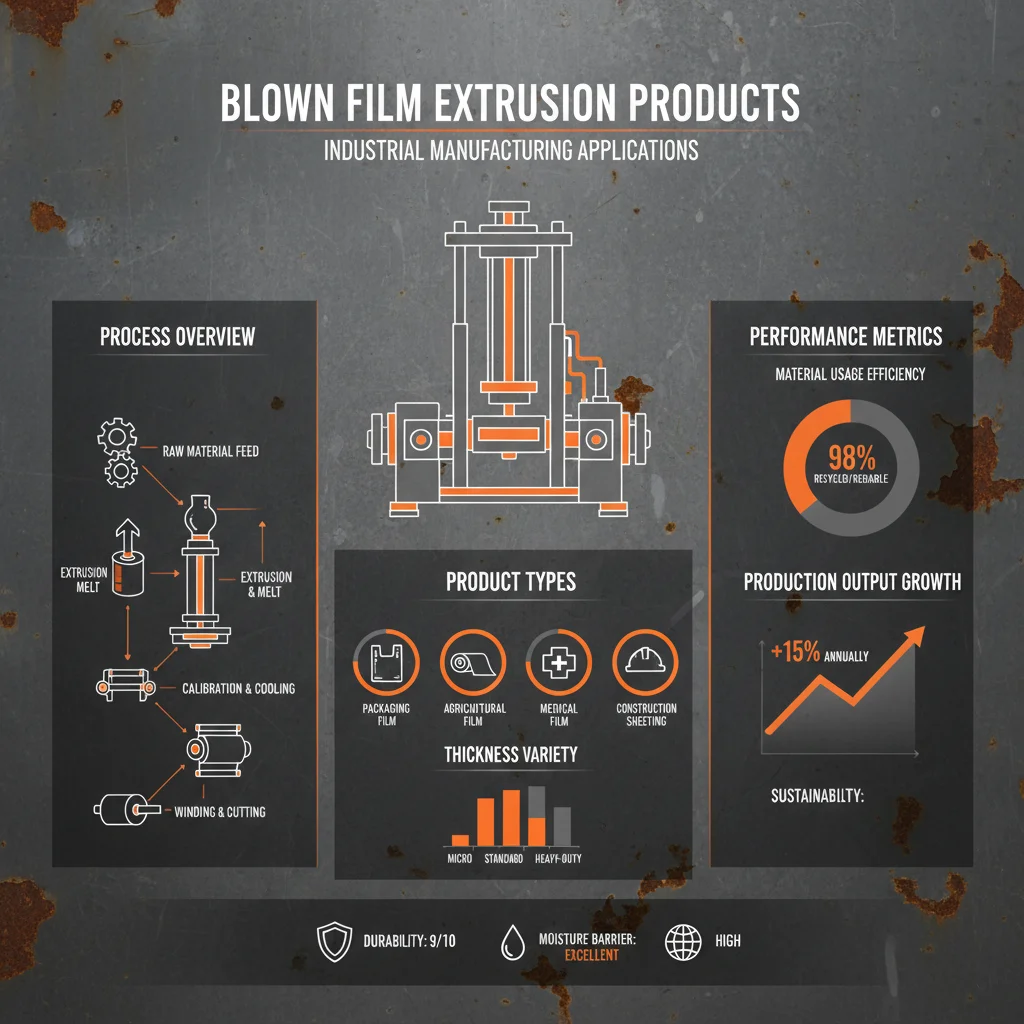
Blown film extrusion is a process where molten plastic is extruded through a circular die, forming a tube. This tube is then inflated with air, stretching the plastic to the desired thickness and width. The process creates a seamless tube of plastic film, which is then cooled, flattened, and wound onto a roll. Understanding this fundamental process is vital when evaluating a blown film extrusion machine for sale.
The quality of the film produced is heavily influenced by factors such as the die design, air ring configuration, cooling system efficiency, and the precision of the control systems. Modern machines utilize advanced technologies to ensure consistent film thickness, uniform cooling, and minimal defects, maximizing material utilization.
Different types of plastics, including polyethylene (PE), polypropylene (PP), and polyethylene terephthalate (PET), can be processed using blown film extrusion. Choosing a blown film extrusion machine for sale capable of handling the specific polymers required for your application is a key consideration.
Key Components and Operational Principles
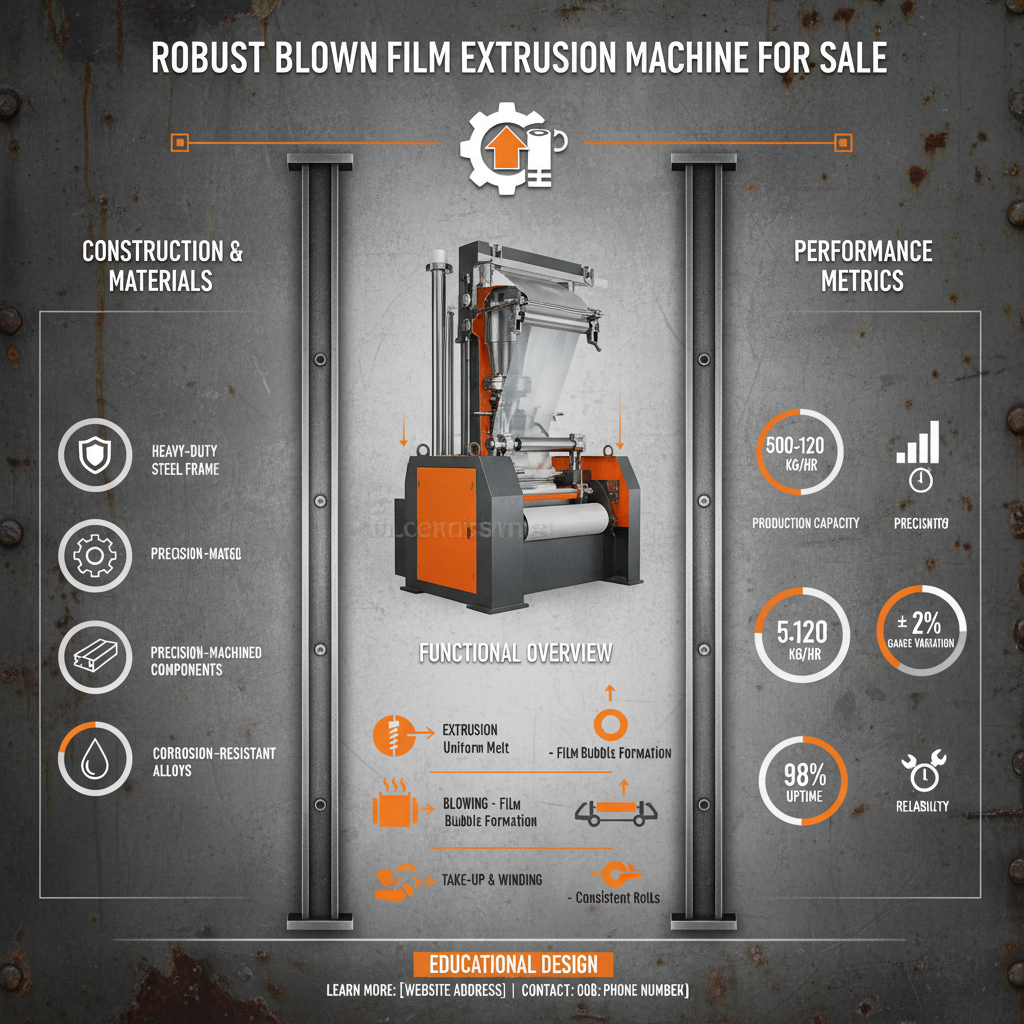
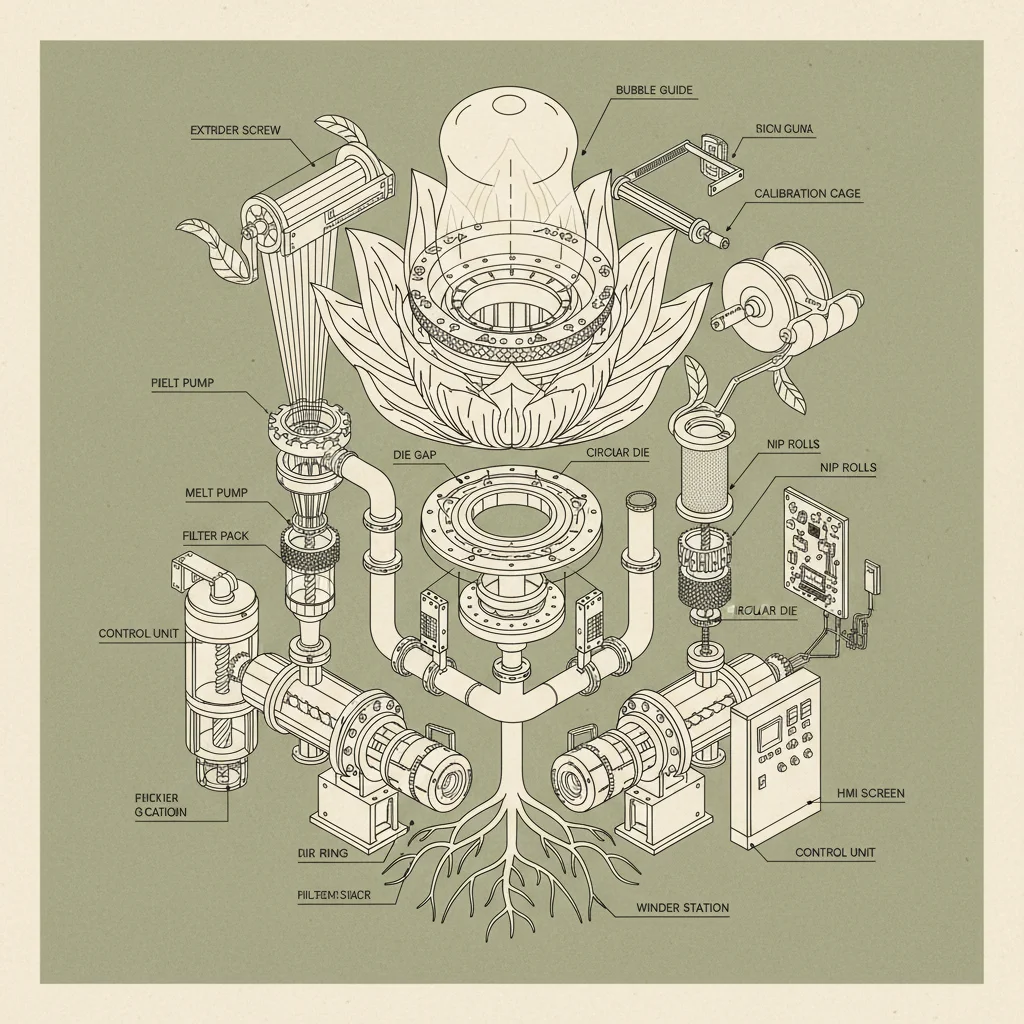
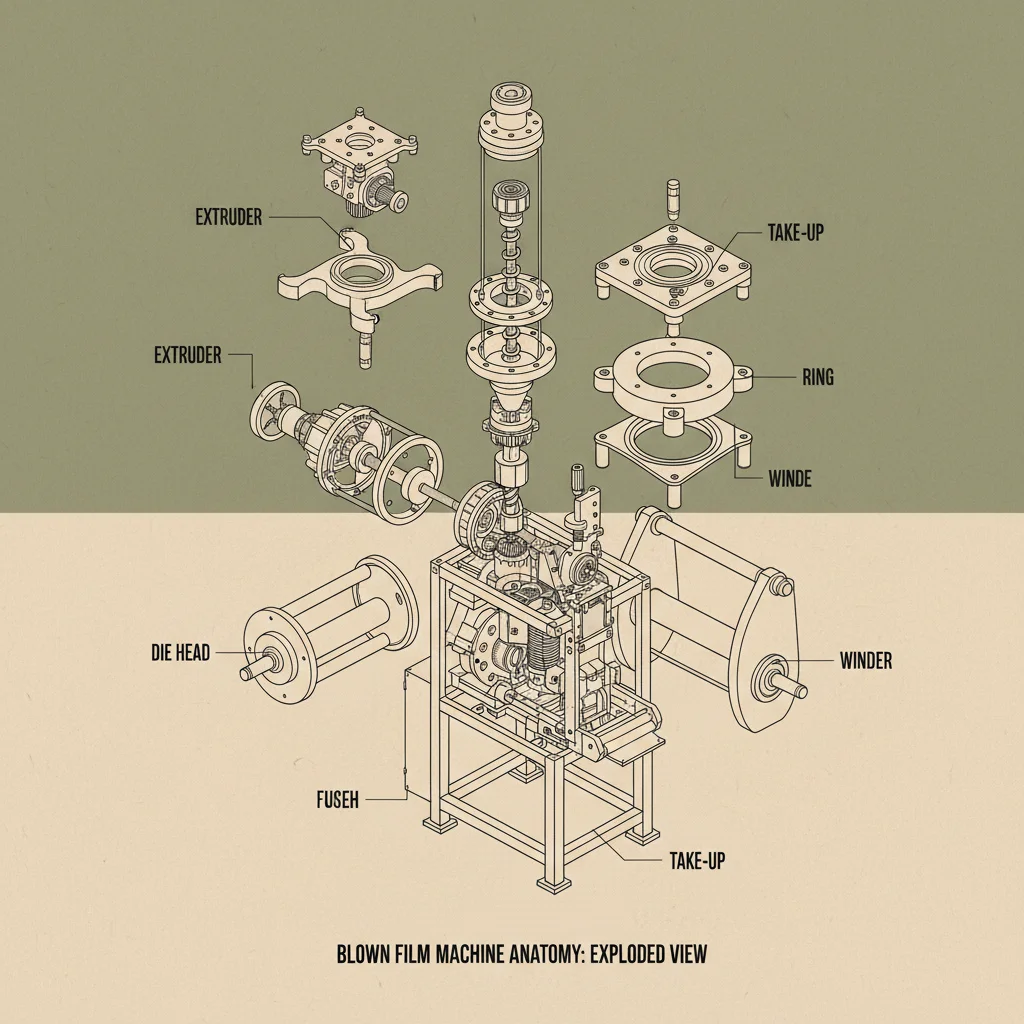
A typical blown film extrusion line comprises several essential components, including the extruder, die head, air ring, cooling system, haul-off unit, and winding system. The extruder melts the plastic resin, while the die head shapes it into a continuous tube. The air ring cools the film, and the haul-off unit controls the speed at which the film is drawn upwards. Selecting the right blown film extrusion machine for sale depends on the synergy between these components.
The operational principles revolve around carefully controlling parameters like temperature, pressure, speed, and air flow. Precise control of these variables is crucial for achieving the desired film properties, such as thickness, clarity, strength, and barrier properties. Investing in a machine with advanced control systems can significantly improve process stability and product consistency.
Regular maintenance and skilled operation are also vital for maximizing the lifespan and performance of a blown film extrusion machine for sale. Proper lubrication, cleaning, and timely replacement of wear parts are essential for preventing breakdowns and ensuring consistent output.
Cost Efficiency and Return on Investment
The initial investment in a blown film extrusion machine for sale can be substantial, but the long-term cost efficiency can be significant. Factors to consider include machine capacity, energy consumption, material waste, and maintenance costs.
Investing in a modern, energy-efficient machine can lead to substantial savings on operating costs. Automated features and precise control systems can minimize material waste and reduce the need for manual intervention, further enhancing cost-effectiveness.
Return on Investment for Different Blown Film Extrusion Methods
Global Applications of Blown Film
Blown film is ubiquitous across a multitude of industries. The food packaging sector relies heavily on it for preserving freshness and extending shelf life. Agricultural films utilizing this technology play a critical role in enhancing crop yields and protecting plants. In industries like construction and automotive, blown film finds use in protective coverings, liners, and various components.
In regions with developing economies, affordable and readily available packaging solutions like blown film are crucial for supporting local businesses and improving the distribution of essential goods. Furthermore, the versatility of blown film extends to specialized applications like medical packaging, where stringent quality and sterilization requirements are paramount.
Benefits and Long-Term Value Proposition
Investing in a quality blown film extrusion machine for sale delivers several key benefits. Enhanced product quality, reduced production costs, increased efficiency, and the ability to respond rapidly to market demands are all significant advantages.
The long-term value proposition extends beyond mere financial gains. Sustainable practices, such as utilizing recycled materials and minimizing waste, contribute to a positive brand image and demonstrate a commitment to environmental responsibility. A dependable machine also offers peace of mind, minimizing downtime and ensuring consistent production.
Moreover, the ability to customize film properties – thickness, clarity, strength, and barrier characteristics – allows manufacturers to cater to specific customer requirements and differentiate their products in the marketplace.
Future Trends in Blown Film Extrusion
The blown film extrusion industry is constantly evolving, driven by innovations in materials, technology, and sustainability. Current trends include the development of biodegradable and compostable films, the integration of advanced sensors and control systems for enhanced process monitoring, and the increasing use of automation to improve efficiency.
Digitalization is also playing a growing role, with manufacturers leveraging data analytics to optimize production processes and predict maintenance needs. Furthermore, there's a rising demand for multi-layer films with specialized barrier properties to meet the requirements of increasingly sophisticated packaging applications.
Summary of Trends in Blown Film Extrusion Technology
| Trend Category |
Description |
Impact on Production |
Investment Consideration |
| Sustainable Materials |
Increased use of recycled and biodegradable polymers. |
Reduced environmental footprint, enhanced brand image. |
Machine compatibility with different resin types. |
| Automation & Robotics |
Automated process control and robotic handling of materials. |
Improved efficiency, reduced labor costs, increased consistency. |
Higher upfront investment, integration complexity. |
| Digitalization & Analytics |
Real-time data monitoring, predictive maintenance, and process optimization. |
Reduced downtime, improved product quality, optimized resource utilization. |
Data infrastructure requirements, cybersecurity considerations. |
| Multi-Layer Film Technology |
Combining multiple layers of different materials to achieve specific performance characteristics. |
Enhanced barrier properties, improved strength, customized functionality. |
Higher material costs, increased process complexity. |
| Advanced Die Designs |
Innovative die designs for improved film uniformity and reduced defects. |
Higher quality film, reduced material waste, increased production yield. |
Potential for higher die replacement costs. |
| Energy Efficiency |
Implementing energy-saving technologies in extrusion and cooling processes. |
Reduced operating costs, lower carbon footprint, improved sustainability. |
Initial investment in energy-efficient components. |
FAQS
When selecting a blown film extrusion machine for sale, consider your production volume, the types of materials you'll be processing, film thickness requirements, desired film width, automation level, and budget. Also, evaluate the manufacturer's reputation, after-sales service, and availability of spare parts. A thorough assessment of these factors will ensure you invest in the right machine for your specific needs.
The lead time for delivery can vary depending on the machine's complexity, customization options, and the manufacturer's production schedule. Generally, expect a lead time of 8 to 16 weeks for standard machines and potentially longer for highly customized configurations. It's essential to confirm delivery timelines with the supplier before placing an order.
Regular maintenance is crucial for optimal performance. This includes lubricating moving parts, cleaning the die head and air ring, inspecting and replacing wear parts (like screws and barrels), and checking the cooling system. Following the manufacturer's recommended maintenance schedule is essential for preventing breakdowns and extending the machine's lifespan.
A wide variety of thermoplastic materials can be processed, including polyethylene (PE – LDPE, HDPE, LLDPE), polypropylene (PP), polyethylene terephthalate (PET), and polyvinyl chloride (PVC). Some machines are also capable of processing biodegradable polymers like PLA. The machine’s configuration needs to be compatible with the resin being used.
Single-layer extrusion produces film from a single type of plastic. Multi-layer extrusion combines two or more layers of different materials to create film with enhanced properties. Multi-layer films can offer improved barrier protection, strength, and sealability, allowing for more versatile packaging solutions.
Optimizing process parameters like temperature, pressure, and haul-off speed can significantly reduce waste. Investing in a machine with precise control systems and automated features helps maintain consistency and minimize defects. Also, implementing a material recycling program to reuse scrap film can further reduce waste and improve sustainability.
Conclusion
The blown film extrusion machine for sale remains a cornerstone of the flexible packaging industry, offering a versatile and cost-effective solution for producing a wide range of plastic films. Understanding the key components, operational principles, and emerging trends in this technology is essential for manufacturers seeking to optimize their production processes and maintain a competitive edge.
Looking ahead, the future of blown film extrusion will be shaped by advancements in materials, automation, and sustainability. Embracing these innovations will not only drive efficiency and reduce costs but also contribute to a more environmentally responsible packaging industry. Visit our website at www.cnchsj.com to explore our range of high-quality blown film extrusion machines and discover how we can help you meet your packaging needs.