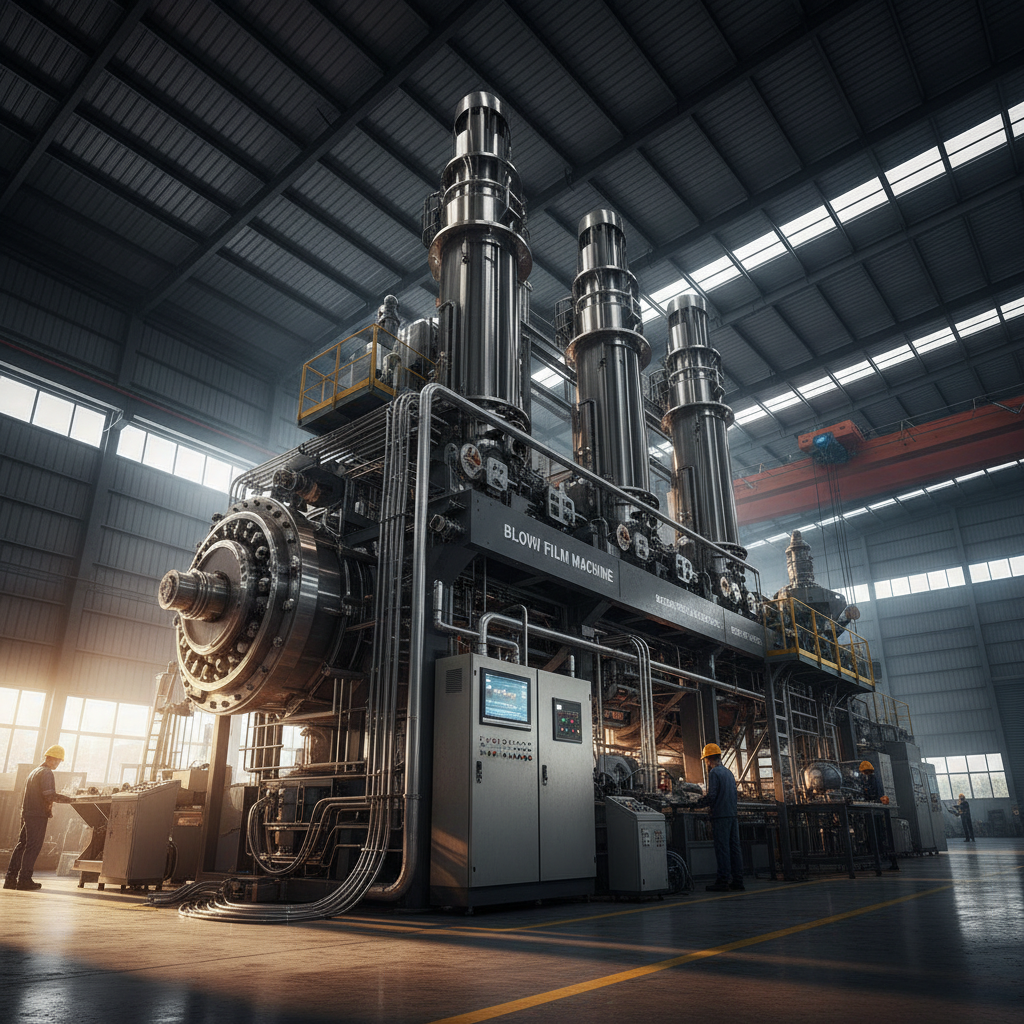
The global market for blown film machinery is a crucial component of the packaging industry, experiencing continuous growth driven by the increasing demand for flexible packaging solutions. Understanding the nuances of blown film machine price is paramount for businesses aiming to optimize their production processes and maintain a competitive edge. This knowledge extends beyond mere cost analysis, encompassing factors like machine efficiency, output quality, and long-term operational costs. A well-informed investment in blown film technology directly impacts product quality, manufacturing efficiency, and ultimately, profitability.
Fluctuations in raw material costs, coupled with evolving consumer preferences for sustainable packaging, create a dynamic landscape for blown film production. The blown film machine price point is often a key initial consideration, but a truly comprehensive evaluation must consider total cost of ownership – including maintenance, energy consumption, and potential downtime. According to industry reports, the global flexible packaging market is projected to reach \$347.8 billion by 2028, highlighting the critical role of efficient blown film production in meeting this demand.
Investments in advanced blown film machinery aren’t simply about acquiring equipment; they’re about strategically positioning a business to capitalize on market trends. The range in blown film machine price is vast, and selecting the correct machinery requires a thorough understanding of specific application needs, desired production volumes, and available resources. Ignoring these considerations can lead to substantial financial losses and operational inefficiencies.
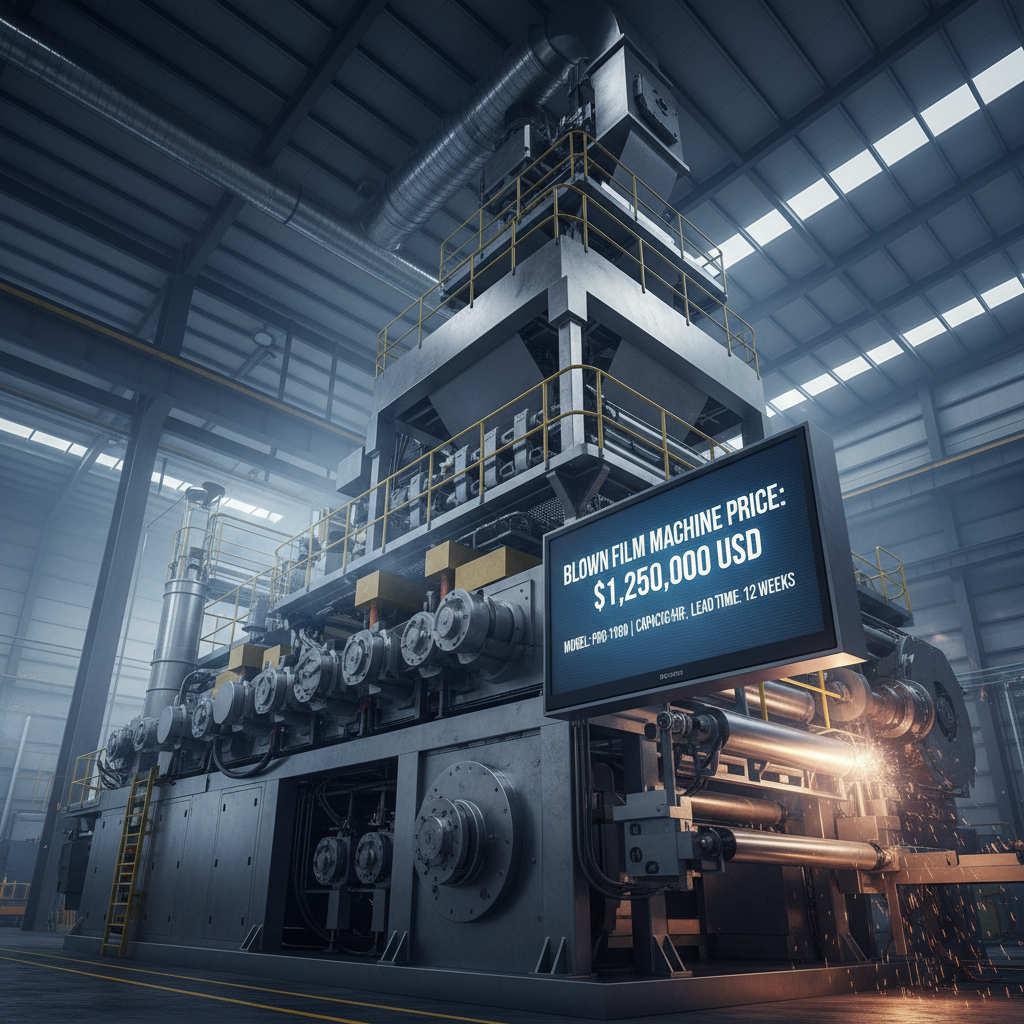
Introduction to Blown Film Machine Price
The blown film machine price landscape is surprisingly complex, extending far beyond the initial purchase cost. It’s a reflection of technological advancements, material costs, automation levels, and the manufacturer's reputation. Companies need to carefully weigh these factors when evaluating options.
Understanding the determinants of blown film machine price is crucial for making informed investment decisions. Factors such as film width, layer count, output speed, and the level of automation all contribute significantly to the overall cost. Choosing a machine based solely on the lowest price can often lead to long-term inefficiencies and higher operational costs.
Defining Blown Film Machine Price
The term "blown film machine price" represents the total financial outlay required to acquire a machine capable of producing plastic film through the blown film extrusion process. This price encompasses not only the base cost of the machine itself, but also crucial add-ons like the die head, cooling system, winding unit, and control panel. It’s an investment in a production capability.
It's vital to distinguish between the initial purchase price and the total cost of ownership. The latter includes installation, training, maintenance, spare parts, energy consumption, and potential downtime. A lower initial blown film machine price may be offset by significantly higher operating costs over the machine's lifespan.
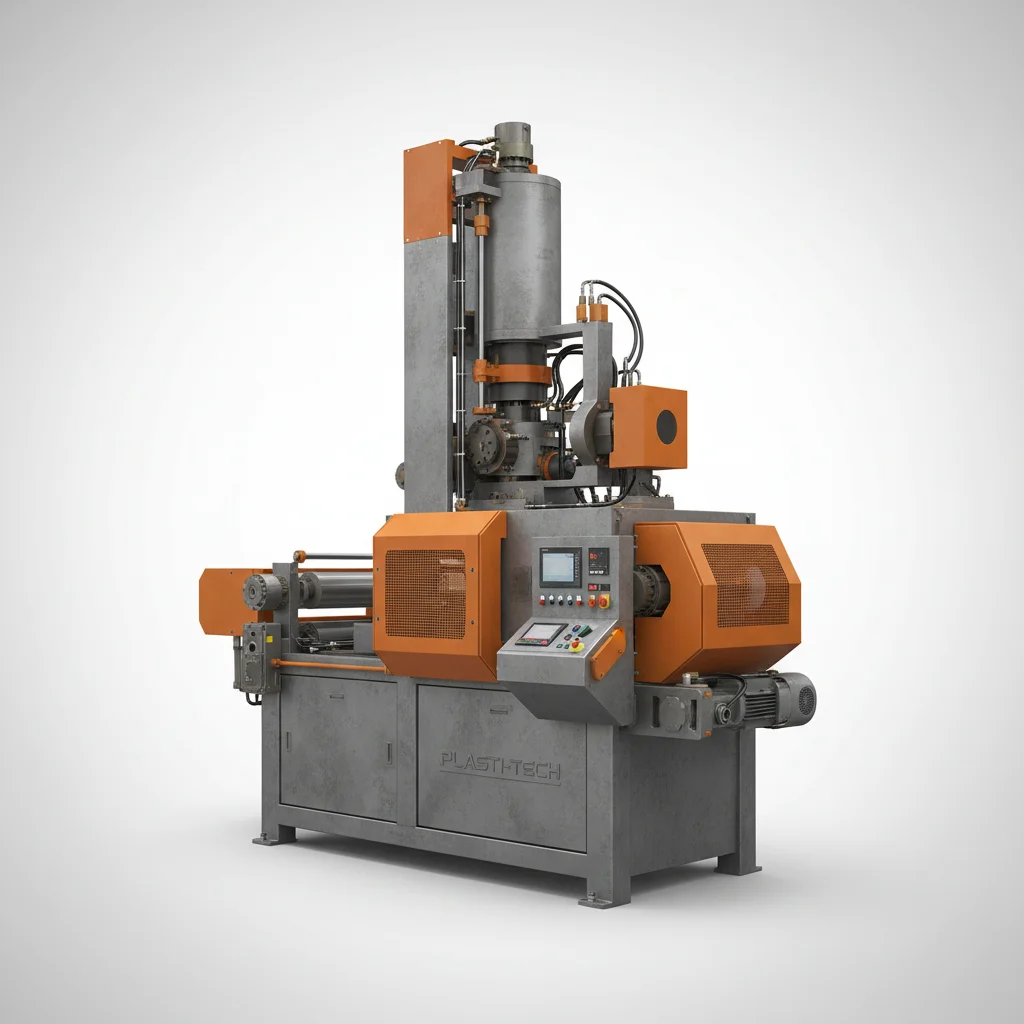
The blown film machine price is also influenced by the machine’s configuration. Simple, manually operated machines are naturally less expensive than fully automated, high-speed models capable of producing multilayer films with precise thickness control. The intended application and production volume play a key role in determining the appropriate level of automation and, consequently, the price.
Core Components Influencing Price
Several key components significantly impact the blown film machine price. The extruder itself, responsible for melting and homogenizing the plastic resin, is a major cost driver. Extruder screw design, material of construction, and processing capacity all influence the price point.
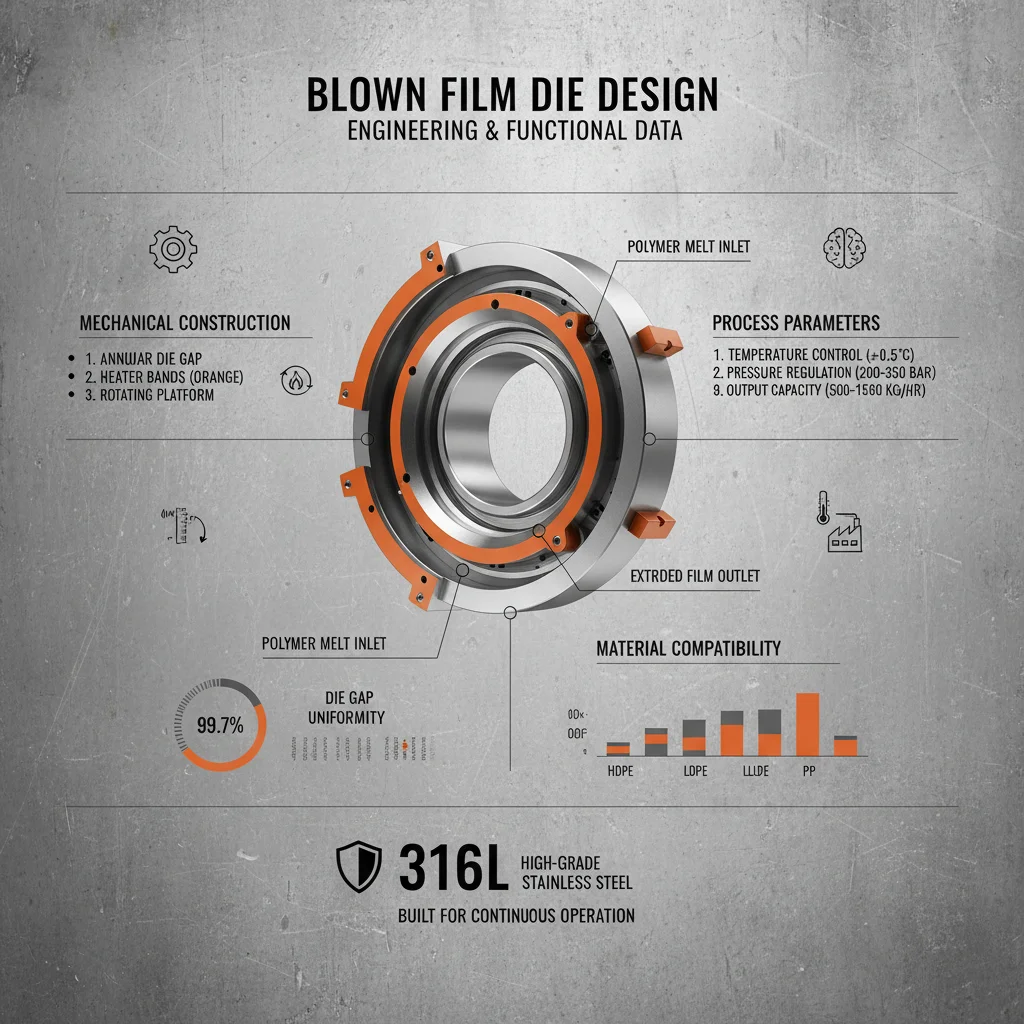
The die head, which shapes the molten plastic into a film bubble, is another critical component. Multilayer die heads, capable of co-extruding multiple layers of different materials, are considerably more expensive than single-layer die heads. The cooling system, essential for solidifying the film bubble, also contributes to the overall blown film machine price.
Finally, the winding system, responsible for collecting the finished film onto rolls, adds to the cost. Automated winding systems with tension control and automatic roll changing features command a higher price than simpler manual systems. The control panel and automation features also impact the blown film machine price.
Global Applications of Blown Film Machines
Blown film machines are globally utilized across diverse industries. The food packaging sector relies heavily on them for producing films for snacks, beverages, and fresh produce. The agricultural industry utilizes blown film for greenhouse coverings and irrigation tubing.
In healthcare, blown film is crucial for manufacturing sterile packaging for medical devices and pharmaceuticals. The construction industry uses it for vapor barriers and protective sheeting. This widespread application drives consistent demand and influences the blown film machine price globally.
Blown Film Machine Price Comparison (By Feature)
Advantages and Long-Term Value
Investing in a quality blown film machine offers substantial long-term value. Increased production efficiency translates into lower per-unit costs, enhancing profitability. Higher-quality film reduces material waste and improves product presentation.
The reliability of a well-maintained machine minimizes downtime and reduces the need for costly repairs. Choosing a machine with advanced features like automatic gauge control ensures consistent film thickness, leading to improved product quality and reduced scrap rates. A strategic investment in the correct blown film machine price can yield significant returns over its lifespan.
Future Trends in Blown Film Technology
The future of blown film technology is focused on sustainability and efficiency. Increased use of recycled materials and biodegradable polymers will drive demand for machines capable of processing these materials effectively.
Digitalization and automation are also key trends. Predictive maintenance systems, powered by data analytics, will help optimize machine performance and minimize downtime. The development of thinner, stronger films will reduce material consumption and improve packaging efficiency. These advances will influence the blown film machine price in the coming years.
Integration with Industry 4.0 principles, including IoT sensors and remote monitoring, will further enhance productivity and enable real-time process optimization, ultimately impacting the total cost of ownership and justifying a potentially higher initial blown film machine price.
Challenges and Cost Optimization Strategies
One of the primary challenges in blown film production is maintaining consistent film quality despite fluctuations in raw material properties and environmental conditions. Managing the delicate balance between temperature, pressure, and extrusion speed requires skilled operators and precise control systems.
Cost optimization strategies include negotiating favorable raw material pricing, implementing efficient maintenance schedules, and investing in energy-saving technologies. Utilizing advanced control systems to minimize material waste and reduce energy consumption can also significantly lower operational costs.
Careful consideration of the total cost of ownership, rather than solely focusing on the initial blown film machine price, is crucial for long-term success. Investing in training for operators and maintenance personnel is also essential for maximizing machine uptime and efficiency.
Key Factors Influencing Blown Film Machine Total Cost of Ownership
| Machine Type |
Maintenance Frequency |
Energy Consumption |
Expected Lifespan |
| Basic Single Layer |
High |
Medium |
10-15 Years |
| Automated Single Layer |
Medium |
Medium |
15-20 Years |
| Basic Multi-Layer |
Medium |
High |
12-18 Years |
| High-Speed Multi-Layer |
Low |
High |
20-25 Years |
| Advanced Automation |
Very Low |
Medium |
25+ Years |
| Recycled Material Capable |
Medium-High |
Medium |
15-20 Years |
FAQS
The blown film machine price is largely influenced by its complexity, automation level, material handling capacity, and the number of layers it can produce. Higher automation, multi-layer capabilities, and larger output widths generally command higher prices. Extruder size, die head design, and control system sophistication also play critical roles.
Increased automation reduces labor costs and improves production consistency, but it also significantly increases the initial blown film machine price. Fully automated machines incorporate features like automatic roll changing, gauge control, and defect detection, which justify the higher investment through long-term operational savings and increased output.
The lifespan of a blown film machine typically ranges from 15 to 25 years, depending on the quality of the machine, the intensity of use, and the effectiveness of the maintenance program. Regular preventative maintenance, including lubrication, component replacement, and calibration, is crucial for maximizing lifespan.
Beyond the initial blown film machine price, hidden costs include installation, operator training, spare parts, energy consumption, and ongoing maintenance. Factor in the cost of raw materials, labor, and potential downtime for repairs to get a true picture of the total cost of ownership.
To optimize ROI, choose a machine that precisely meets your production needs, implement a robust maintenance schedule, invest in operator training, and explore opportunities for energy efficiency. Negotiating favorable raw material prices and minimizing waste can also significantly improve your bottom line.
The decision depends on your budget and production requirements. New machines offer the latest technology, warranties, and support, but come with a higher blown film machine price. Used machines are more affordable, but may require more maintenance and have a shorter lifespan. Thorough inspection and assessment are crucial before purchasing a used machine.
Conclusion
In conclusion, understanding the myriad factors influencing blown film machine price is vital for businesses seeking to optimize their packaging production processes. Beyond the initial cost, considerations must include long-term operational expenses, machine capabilities, and alignment with future industry trends. A strategic, informed investment results in improved efficiency, product quality, and profitability.
Looking ahead, focusing on sustainability, automation, and digitalization will be paramount. Proactive maintenance, skilled operator training, and strategic sourcing of raw materials will further enhance the return on investment. For more information on selecting the right blown film machine for your needs, visit our website: www.cnchsj.com