The double layer film blowing machine is a crucial piece of equipment in the modern plastics industry, responsible for producing a wide range of flexible packaging materials. Its significance stems from its ability to efficiently create multi-layered films with customized properties, catering to diverse applications from food packaging to agricultural films. Understanding its operation, applications, and future trends is vital for professionals and businesses involved in polymer processing, packaging, and materials science.
Globally, the demand for flexible packaging is experiencing robust growth, driven by factors such as increasing consumer demand for convenience foods, the expansion of e-commerce, and the need for extended shelf life for perishable goods. The UN estimates that global plastic packaging consumption will continue to rise, presenting both challenges and opportunities for sustainable production and responsible waste management. The double layer film blowing machine plays a critical role in meeting this demand, offering a versatile and cost-effective solution for producing high-quality packaging.
This technology addresses the need for specialized film properties – barrier protection, strength, printability, and sealability – that cannot be achieved with single-layer films. It provides manufacturers with the flexibility to tailor film characteristics to specific product requirements, enhancing product quality, reducing waste, and improving overall efficiency in the supply chain.
Introduction to double layer film blowing machine
The double layer film blowing machine is an extrusion process used to create plastic films with two distinct layers, each potentially made from different polymers. This allows for the combination of properties that a single-layer film cannot achieve, such as a barrier layer for gas or moisture protection combined with a heat-sealable layer for packaging.
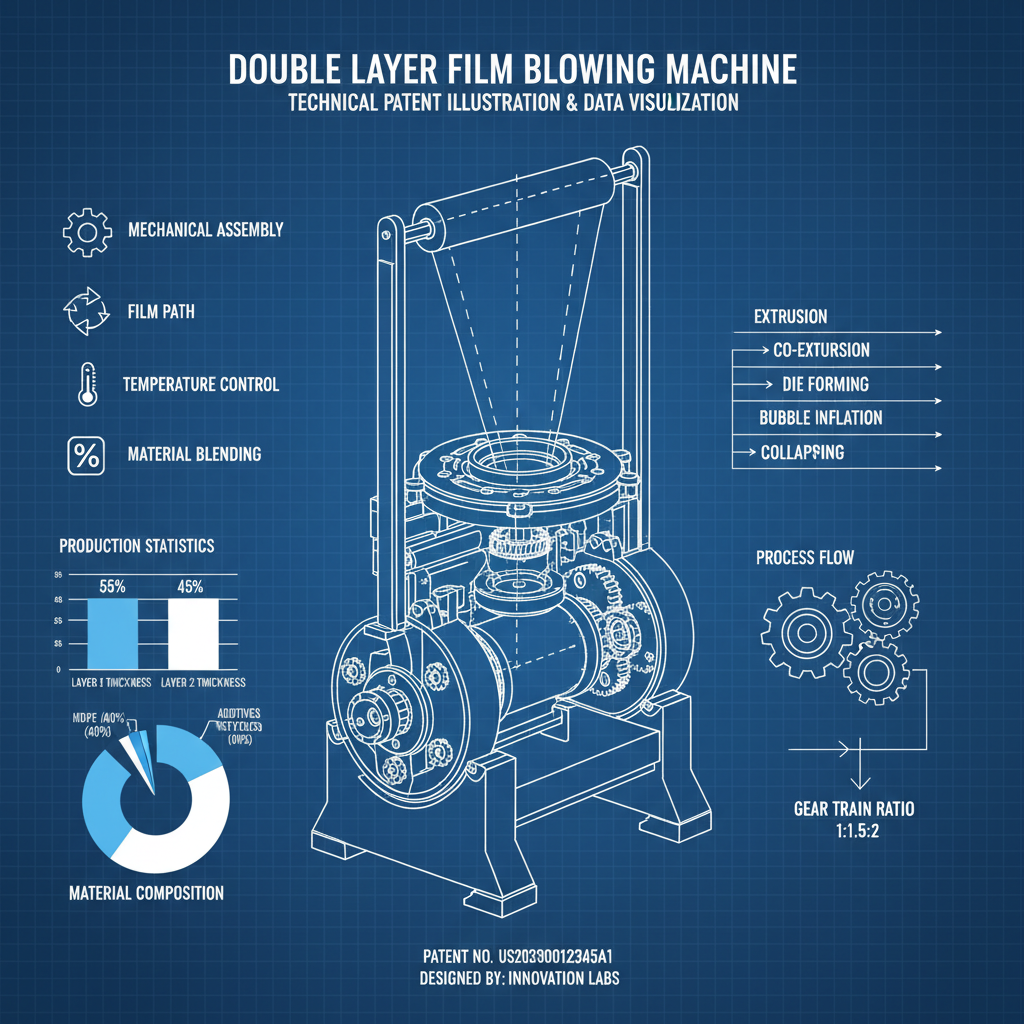
The process involves melting plastic pellets and extruding them through a circular die. As the molten plastic emerges, it is inflated with air, forming a bubble-like film. The double layer configuration utilizes a dual-manifold die, enabling the simultaneous extrusion of two different polymers to create a composite film structure.
Defining the Technology
At its core, a double layer film blowing machine takes plastic resin in pellet form and transforms it into a thin, flexible film through a series of precisely controlled processes. It’s a sophisticated application of polymer extrusion, building on the basic principles of melting, shaping, and cooling. The “double layer” aspect is what sets it apart, allowing for the creation of films with tailored functionalities.
This technology is deeply intertwined with the modern packaging industry, directly impacting the shelf life, protection, and presentation of countless consumer products. From food and beverages to pharmaceuticals and industrial goods, double layer films provide crucial barriers against external elements and maintain product integrity.
The double layer film blowing machine is instrumental in creating films used in diverse applications, bridging the gap between raw materials and finished products in a world increasingly reliant on packaged goods.
Core Components and Operational Factors
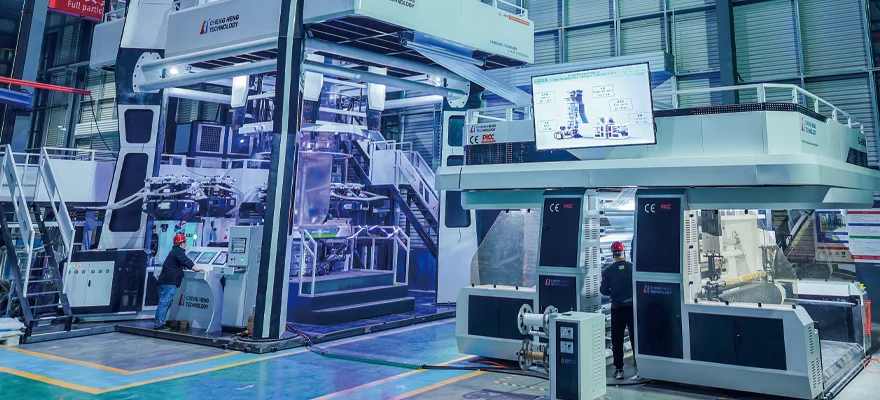
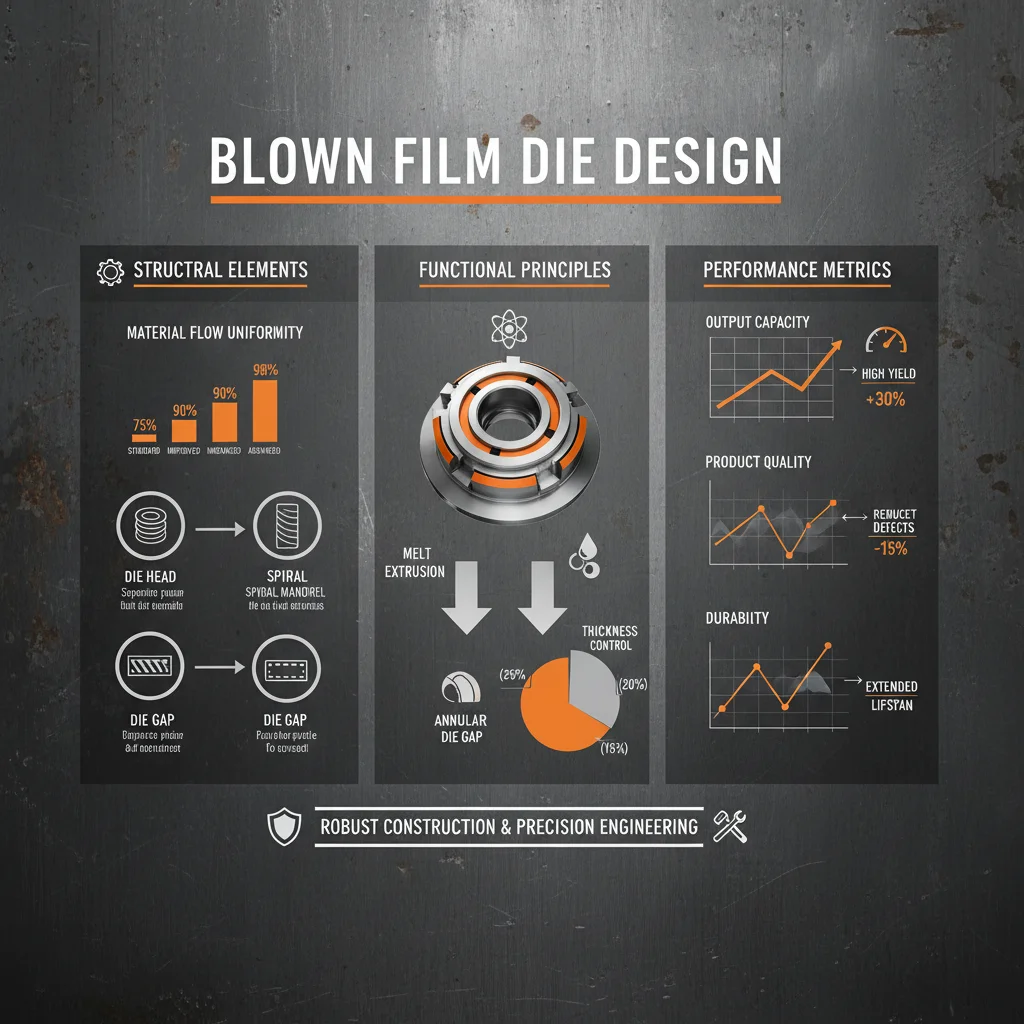
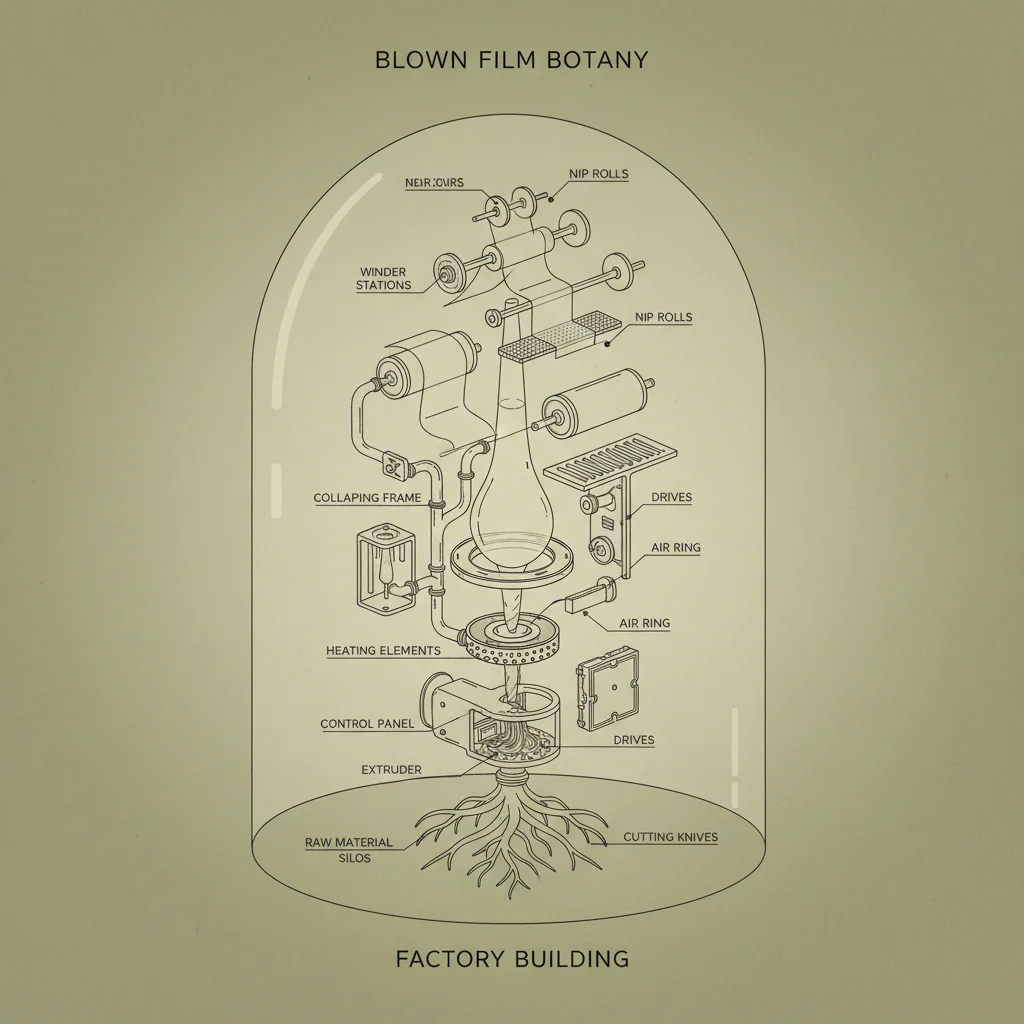
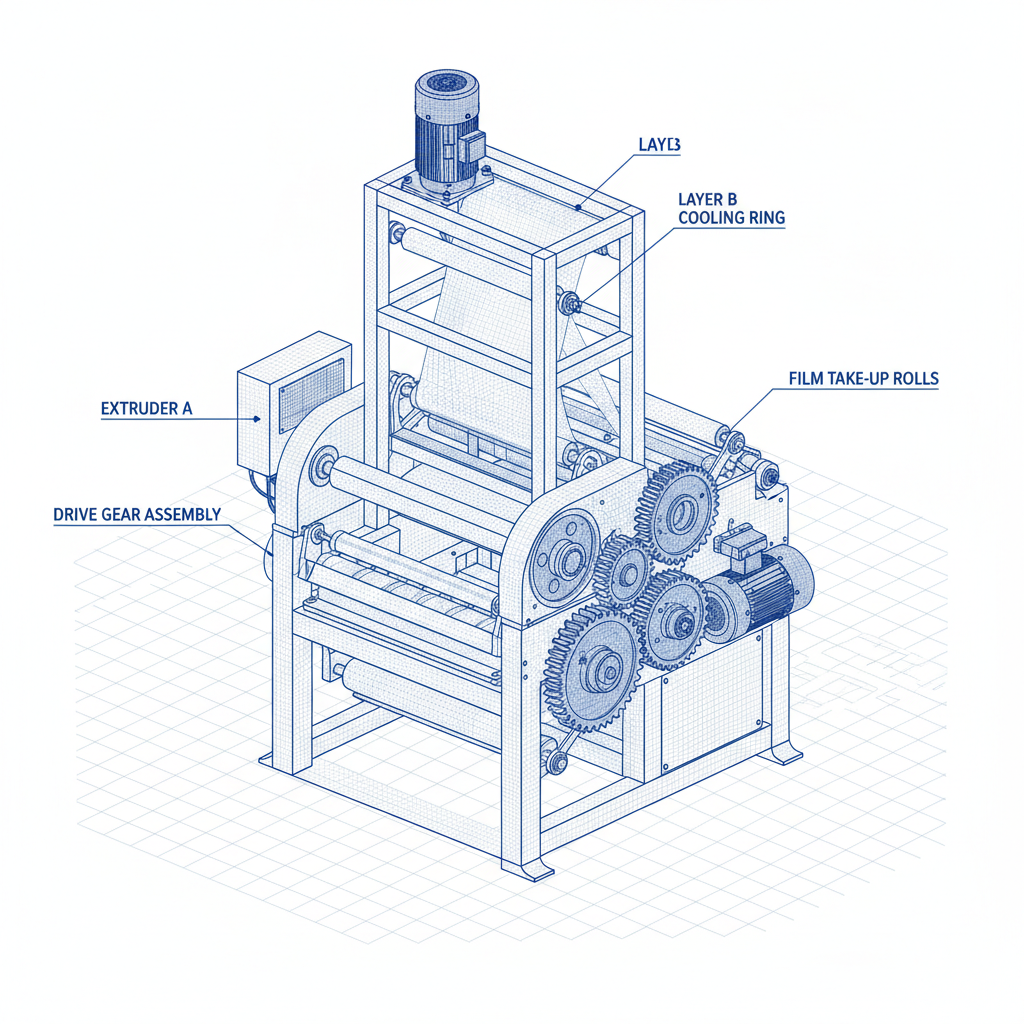
Several key components dictate the performance of a double layer film blowing machine. The extruder, typically a screw-type extruder, melts and mixes the plastic resins. The die, a precisely engineered circular head, shapes the molten plastic into a bubble. The air ring cools the bubble, solidifying the film. The take-up system winds the finished film onto rolls.
Crucially, controlling parameters like temperature, pressure, airflow, and haul-off speed are vital for achieving consistent film thickness, clarity, and mechanical properties. The ratio of the die gap to the die diameter (blow-up ratio) heavily influences film strength and transparency.
The choice of polymers for each layer is also a critical operational factor. For instance, a layer of polyethylene (PE) might be paired with a layer of ethylene-vinyl alcohol (EVOH) to create a film with exceptional oxygen barrier properties. Properly coordinating the melt flow rates and compatibility of different polymers is essential to avoid delamination or other defects.
Maintenance is paramount, encompassing regular cleaning of the die and extruder, inspection of the air ring for blockages, and monitoring the performance of the winding system. Proper maintenance minimizes downtime and ensures consistent film quality. Operators require specialized training to understand the nuances of each component and the interplay of operational parameters.
Key Performance Indicators
Assessing the efficiency and quality of a double layer film blowing machine relies on several key performance indicators (KPIs). Film thickness consistency is paramount, ensuring uniform protection and performance. Production speed (meters per minute) reflects the machine’s throughput and efficiency.
Waste rate, expressed as a percentage of raw material lost during production, indicates the effectiveness of process control and material utilization. Mechanical properties, such as tensile strength and elongation, are critical for evaluating film durability and suitability for specific applications.
double layer film blowing machine Performance Metrics
Global Applications and Industry Impact
Double layer film blowing machine technology finds widespread application across diverse industries. In the food packaging sector, it’s crucial for creating films that preserve freshness and extend shelf life, utilizing layers with barrier properties against oxygen, moisture, and light. Agricultural films, created using this process, protect crops, regulate temperature, and enhance yields.
The medical industry utilizes double layer films for packaging sterile medical devices, demanding stringent barrier properties and material compatibility. Furthermore, the industrial sector employs these films for protective packaging, preventing corrosion and damage during transportation and storage.
Advantages and Long-Term Value Proposition
Investing in a double layer film blowing machine offers significant advantages. Cost-effectiveness is a primary benefit, as it allows for the efficient production of high-quality films with tailored properties, reducing material waste and overall packaging costs. Sustainability is enhanced through the ability to utilize recycled materials and create thinner, lighter films.
The technology delivers superior product protection, extending shelf life and reducing food waste, contributing to a more sustainable food supply chain. The versatility of double layer films allows manufacturers to meet diverse customer needs, fostering innovation and market competitiveness. A reliable and well-maintained machine ensures consistent product quality and minimizes production disruptions.
Future Trends and Innovation in double layer film blowing machine
The future of double layer film blowing machine technology is poised for exciting advancements. The integration of automation and digital control systems will optimize process efficiency, reduce waste, and enhance film quality. The development of bio-based and biodegradable polymers will further enhance the sustainability of film packaging.
Research into multilayer film structures beyond two layers will unlock even greater possibilities for tailoring film properties. The adoption of Industry 4.0 principles, including data analytics and predictive maintenance, will optimize machine performance and minimize downtime.
Table Summarizing Key Trends in double layer film blowing machine Development
| Trend Category |
Current Status |
Expected Impact |
Implementation Timeline |
| Automation & Control |
Basic PLC control systems are common. |
Increased efficiency, reduced labor costs, improved consistency. |
1-3 years |
| Bio-Based Polymers |
Limited adoption due to cost and performance. |
Reduced environmental impact, enhanced sustainability. |
3-5 years |
| Multilayer Film Structures |
Predominantly dual-layer systems. |
Advanced barrier properties, tailored functionalities. |
5-10 years |
| Industry 4.0 Integration |
Emerging trend with limited implementation. |
Predictive maintenance, optimized production, data-driven insights. |
2-5 years |
| Digital Twin Technology |
Early stages of research and development. |
Remote monitoring, virtual testing, optimized process parameters. |
5-10 years |
| Advanced Die Designs |
Conventional die designs are still prevalent. |
Improved film uniformity, reduced material waste, enhanced process control. |
1-3 years |
FAQS
Single-layer film blowing produces film from one type of plastic, limiting functionality. Double-layer allows for combining different polymers, enabling properties like superior barrier protection (from EVOH) alongside heat sealability (from PE). This customization is key for diverse packaging needs, enhancing product preservation and reducing material waste. It provides greater design flexibility for specialized applications.
Polyethylene (PE), polypropylene (PP), and polyethylene terephthalate (PET) are frequently used. For enhanced barrier properties, ethylene-vinyl alcohol (EVOH) and polyamide (PA) are often incorporated. The choice depends on the desired film characteristics, like gas permeability, moisture resistance, and mechanical strength. Recycled plastics are increasingly being utilized for more sustainable production.
Regular maintenance is crucial. Daily checks include die cleaning and inspection of the air ring. Weekly tasks involve checking bearings and lubrication points. Monthly, a thorough inspection of the extruder screws and winding systems is recommended. Preventative maintenance minimizes downtime and extends the machine’s lifespan, ensuring consistent film quality and output.
Production speeds vary based on film thickness, material type, and machine capacity, but generally range from 50 to 300 meters per minute. High-speed machines with advanced control systems can achieve even higher rates. Optimizing process parameters like temperature and haul-off speed is essential for maximizing throughput without compromising film quality.
The blow-up ratio, the ratio of the bubble's diameter to the die diameter, significantly influences film properties. A higher ratio typically results in a thinner film with increased transverse strength but potentially reduced clarity. Lower ratios produce thicker films with better clarity but reduced strength. Finding the optimal blow-up ratio is critical for balancing desired film characteristics.
Environmental impact can be minimized by utilizing recycled materials, optimizing energy efficiency, and reducing waste. Developing biodegradable film options is a key focus. Proper waste management and recycling programs for the produced film are essential. Implementing closed-loop systems where waste film is reused in the process can further reduce the environmental footprint.
Conclusion
In conclusion, the double layer film blowing machine stands as a cornerstone of modern packaging and materials processing. Its ability to create customized films with tailored properties addresses critical needs across diverse industries, from food preservation to medical packaging. Understanding its core components, operational factors, and emerging trends is vital for professionals seeking to optimize production, enhance sustainability, and drive innovation.
Looking ahead, the integration of advanced technologies like automation, bio-based polymers, and Industry 4.0 principles will further revolutionize this field. By embracing these advancements, manufacturers can unlock new levels of efficiency, sustainability, and performance, solidifying the double layer film blowing machine’s position as a vital technology for years to come.