The blown film line is a cornerstone of modern packaging and plastic product manufacturing, globally impacting industries ranging from food and beverage to agriculture and healthcare. This technology enables the efficient production of plastic films, essential for protecting goods, extending shelf life, and facilitating various applications. Understanding the nuances of blown film extrusion is vital for optimizing production processes, ensuring product quality, and driving innovation in the plastics industry.
The global demand for flexible packaging, a primary output of blown film lines, is continuously growing, driven by factors like increased consumerism, urbanization, and the need for convenient and safe product delivery. According to a report by Smithers Pira, the global flexible packaging market is projected to reach $285 billion by 2028. Addressing the challenges of sustainable packaging and efficient production through advancements in blown film line technology is therefore paramount.
Investing in understanding and optimizing blown film lines translates to significant benefits, including reduced material waste, improved production speeds, enhanced film properties, and ultimately, increased profitability. This makes it a crucial area of focus for manufacturers seeking to remain competitive in today's dynamic market.
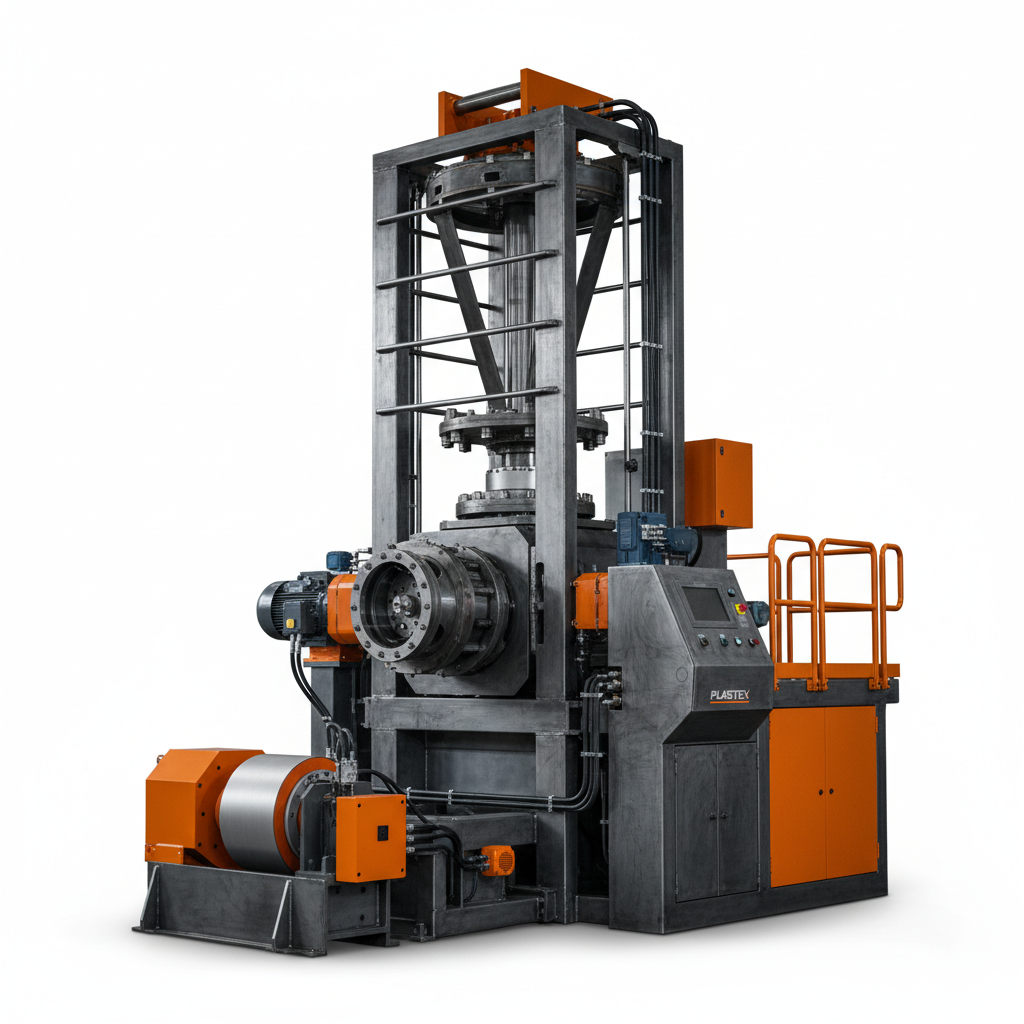
Introduction to Blown Film Line
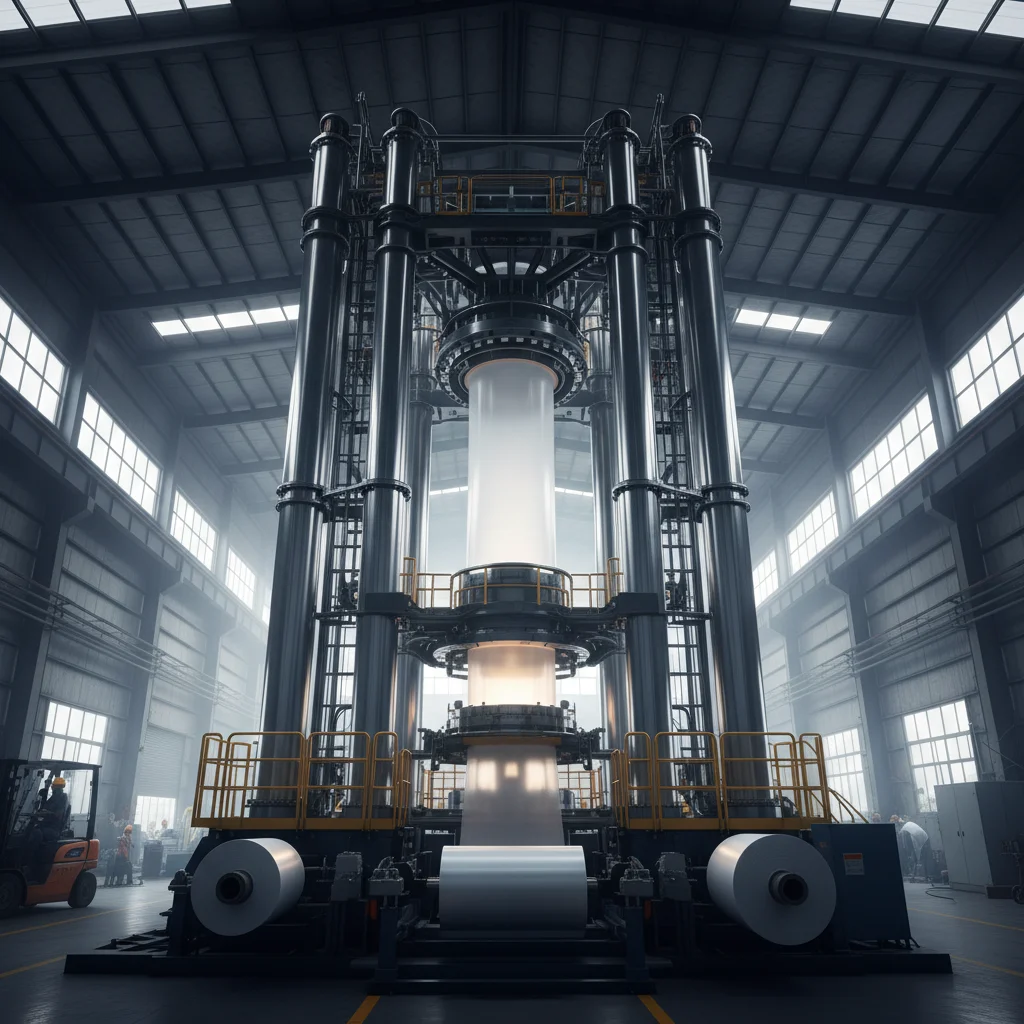
A blown film line is a sophisticated extrusion system used to create plastic film tubes. This process involves melting plastic resin and extruding it through a circular die, inflating it with air to form a bubble, and then collapsing and flattening the bubble into a film. This fundamental process forms the basis for a vast array of packaging materials and plastic products used daily. blown film line
The efficiency and quality of a blown film line directly impact the cost and performance of the final product. From grocery bags and food packaging to agricultural films and medical supplies, the demand for high-quality, consistently produced plastic films continues to grow, highlighting the importance of understanding and optimizing this essential manufacturing process.
Defining the Blown Film Line Process
At its core, the blown film line process transforms plastic resin into a continuous tube of film. This begins with feeding plastic pellets into an extruder, where they are melted and mixed. The molten plastic is then forced through an annular die, shaping it into a circular tube. Simultaneously, air is blown into this tube, inflating it like a balloon – hence the term “blown film.” The inflated film is cooled and collapsed, then wound onto a roll.
The process is remarkably versatile, accommodating a wide range of plastic materials, including polyethylene (PE), polypropylene (PP), and polyethylene terephthalate (PET). Adjusting parameters such as die gap, air pressure, and cooling rates allows manufacturers to tailor the film's thickness, width, and properties to specific applications.
Understanding the intricate interplay of these parameters is crucial for achieving optimal film quality and efficiency. Skilled operators and advanced control systems are essential for maintaining consistent film characteristics and minimizing waste during the blown film line process.
Core Components of a Blown Film Line
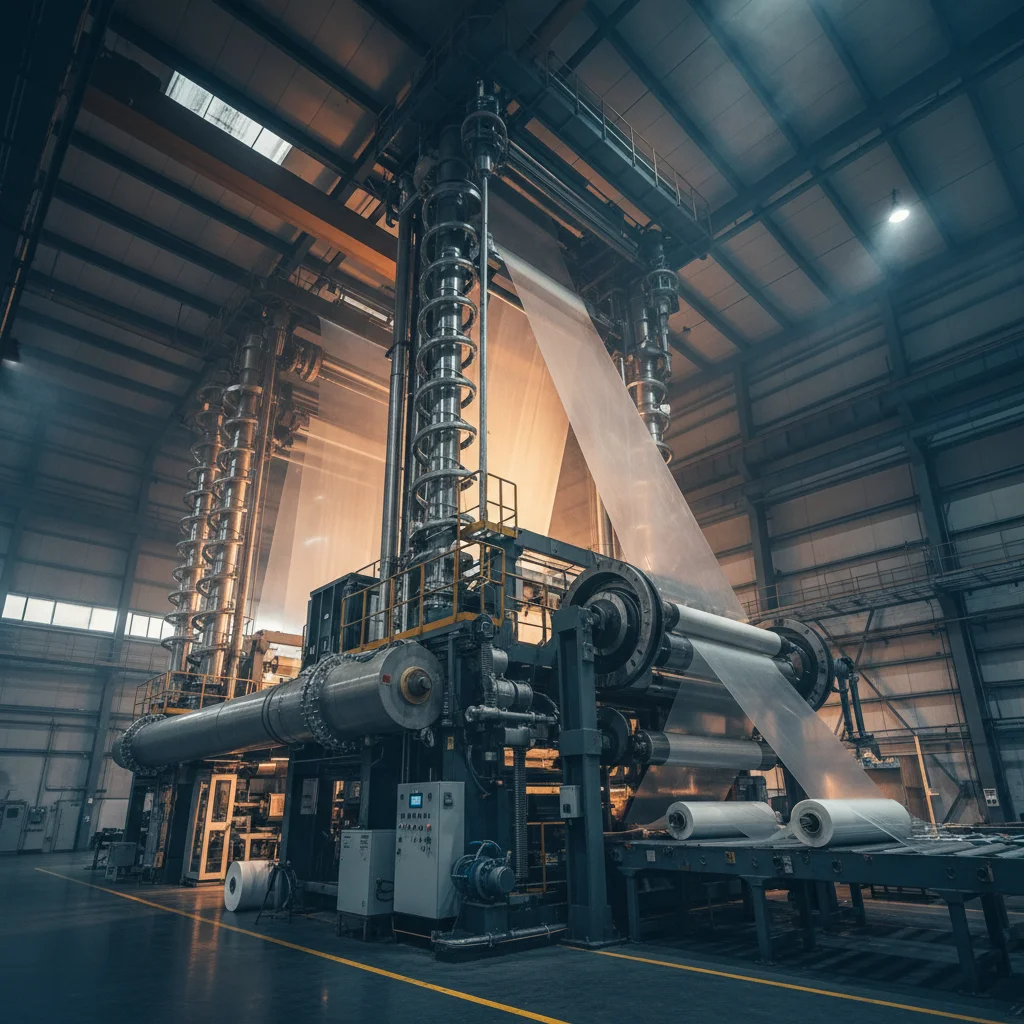
A typical blown film line comprises several key components working in unison. These include the extruder, which melts and homogenizes the plastic resin; the die, which shapes the molten plastic into a circular tube; the air ring, responsible for cooling the film bubble; the collapsing frame, which flattens the bubble into a film; and the winding system, which rolls up the finished film.
The extruder is arguably the most critical component, as it directly influences the consistency and quality of the melt flow. Different types of extruders, such as single-screw and twin-screw extruders, offer varying levels of mixing and throughput capacity. The choice of extruder depends on the specific plastic material being processed and the desired film properties.
Furthermore, the die design plays a crucial role in determining film uniformity and thickness. Advanced die technologies, incorporating features like internal cooling and adjustable flow control, enable manufacturers to produce films with precise dimensions and minimal variations. The synchronization of these core components is key to a successful and efficient blown film line operation.
Key Performance Indicators for Blown Film Line Efficiency
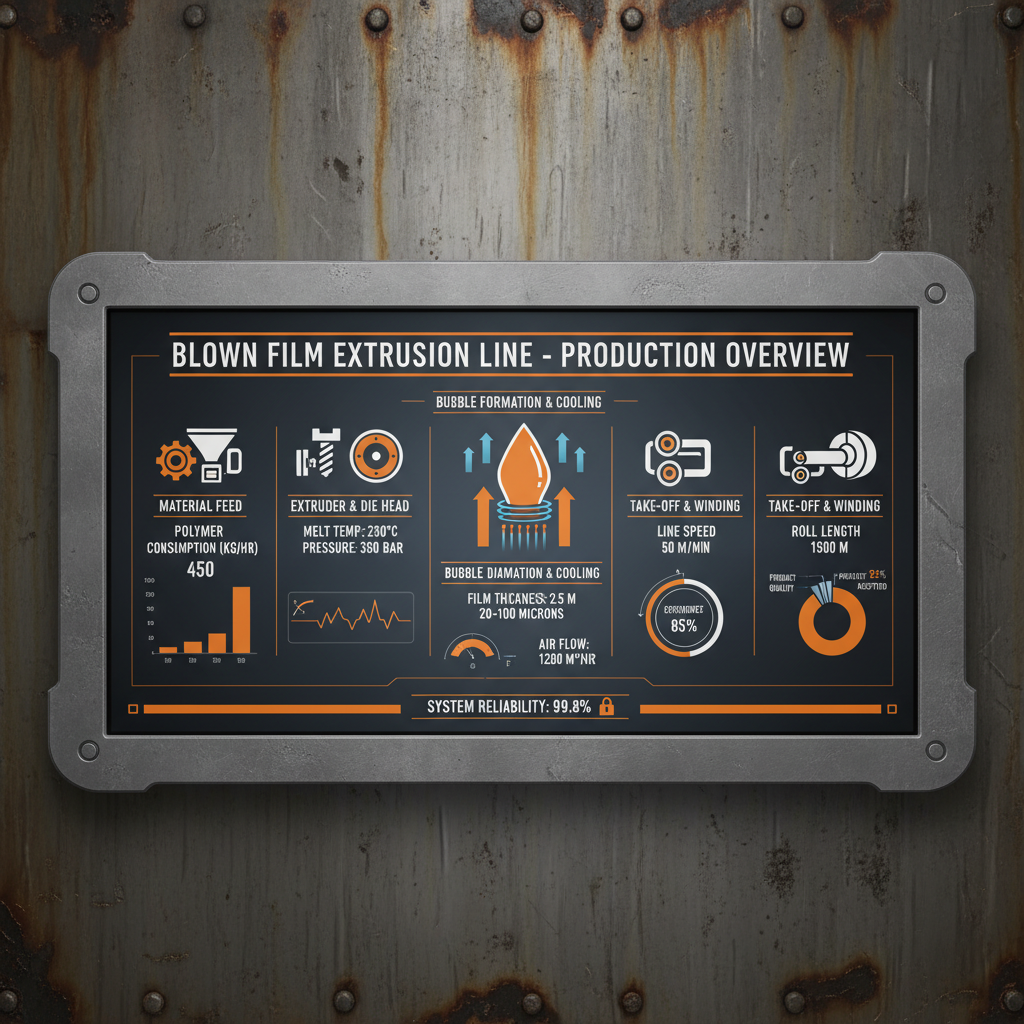
Evaluating the performance of a blown film line requires monitoring several key performance indicators (KPIs). These include production speed (measured in meters per minute or feet per minute), film thickness variation, material waste percentage, and overall equipment effectiveness (OEE). Regularly tracking these KPIs provides insights into areas for improvement and optimization.
Another crucial KPI is the melt index, which indicates the flow properties of the plastic resin. Maintaining a consistent melt index is essential for ensuring film uniformity and preventing defects. Additionally, monitoring energy consumption per unit of production can help identify opportunities for reducing costs and improving sustainability.
Blown Film Line Performance Metrics
Applications of Blown Film Line Technology
Blown film line technology finds extensive application across numerous industries. In the food packaging sector, it's used to produce films for snacks, produce, and frozen foods, requiring barrier properties to maintain freshness and prevent spoilage. Agricultural films, crucial for greenhouse coverings and silage wrap, benefit from the durability and weather resistance achievable through blown film extrusion.
The medical industry relies on blown film for sterile packaging, ensuring the integrity of medical devices and pharmaceuticals. Industrial applications include the production of protective films, shrink wrap, and liners for various products. The versatility of the blown film process allows for customization to meet the specific needs of each application.
Long-Term Benefits and Value Proposition
Investing in a high-quality blown film line offers substantial long-term benefits. Reduced material waste translates directly into cost savings, while increased production speeds boost overall output. Enhanced film properties, such as improved tensile strength and barrier properties, lead to higher product quality and customer satisfaction.
Moreover, advancements in blown film line technology are driving sustainability efforts. Utilizing recycled materials and optimizing energy consumption contribute to a reduced environmental footprint. The reliability and longevity of modern blown film lines ensure a consistent return on investment and a competitive advantage in the market.
Future Trends in Blown Film Line Manufacturing
The future of blown film line manufacturing is marked by several exciting trends. Digitalization and automation are playing an increasingly important role, with advanced control systems and real-time monitoring enhancing process efficiency and reducing human error. The development of new, sustainable materials, such as bio-based polymers and compostable plastics, is driving innovation in film formulation.
Furthermore, Industry 4.0 principles are being applied to blown film lines, enabling predictive maintenance, remote diagnostics, and optimized production scheduling. The integration of artificial intelligence (AI) and machine learning (ML) algorithms promises to further enhance process control and optimize film properties. blown film line is at the forefront of these advancements.
These innovations aim to create more sustainable, efficient, and adaptable blown film lines, capable of meeting the evolving demands of the packaging industry and beyond.
Summary of Future Trends and Challenges in Blown Film Line Technology
| Trend/Challenge |
Impact on Production |
Potential Solutions |
Investment Level (1-10) |
| Digitalization & Automation |
Increased efficiency, reduced errors |
Advanced control systems, sensors |
8 |
| Sustainable Materials |
Reduced environmental impact |
Bio-based polymers, recycled plastics |
7 |
| Energy Efficiency |
Lower operating costs |
Optimized cooling systems, energy recovery |
6 |
| Skilled Labor Shortage |
Difficulty maintaining operations |
Training programs, automation solutions |
9 |
| Raw Material Costs |
Increased production expenses |
Material optimization, supplier negotiation |
7 |
| Quality Control |
Maintaining consistent film properties |
Real-time monitoring, automated inspection |
8 |
FAQS
Upgrading to a modern blown film line offers numerous benefits, including increased production speed, improved film quality and consistency, reduced material waste, lower energy consumption, and enhanced automation capabilities. These improvements translate into significant cost savings, increased efficiency, and a stronger competitive advantage in the market. Furthermore, newer lines often incorporate features for processing sustainable materials, aligning with growing environmental concerns.
Preventative maintenance is crucial for maximizing the lifespan and efficiency of your blown film line. A comprehensive maintenance schedule should be implemented, including daily inspections, weekly lubrication, monthly component checks, and annual overhauls. Following the manufacturer’s recommendations is key. Regular maintenance minimizes downtime, prevents costly repairs, and ensures consistent product quality.
Blown film lines are versatile and can process a wide range of thermoplastic polymers. Common materials include polyethylene (PE) – Low-Density Polyethylene (LDPE), Linear Low-Density Polyethylene (LLDPE), and High-Density Polyethylene (HDPE) – polypropylene (PP), polyethylene terephthalate (PET), and polyvinyl chloride (PVC). The choice of material depends on the desired film properties and application requirements.
The air ring plays a critical role in cooling and stabilizing the inflated film bubble. Proper air ring design and adjustment are essential for achieving uniform cooling, preventing defects like wrinkling or uneven thickness, and maintaining the desired bubble diameter. An effectively functioning air ring ensures optimal film clarity, strength, and dimensional stability.
Selecting a new blown film line requires careful consideration of several factors. These include the desired film width, thickness range, production capacity, material types, and level of automation. It’s important to assess your current and future needs, consider the manufacturer’s reputation and support services, and evaluate the line’s energy efficiency and sustainability features.
Reducing material waste requires a multi-faceted approach. Optimize start-up and shutdown procedures to minimize scrap. Implement real-time monitoring and control systems to maintain consistent film thickness and prevent defects. Utilize automated scrap collection and recycling systems. Properly train operators to identify and address potential waste-generating issues proactively. blown film line offers solutions for waste reduction.
Conclusion
In conclusion, the blown film line remains a pivotal technology in the plastics industry, enabling the production of essential packaging and plastic products. Understanding its core components, optimizing its performance through KPIs, and embracing emerging trends like digitalization and sustainability are crucial for manufacturers seeking to thrive in today's competitive landscape. Investing in knowledge and advanced technology within blown film extrusion is not merely a cost, but a strategic imperative for long-term success.
As we look ahead, the future of blown film lines will be shaped by a continued focus on efficiency, sustainability, and innovation. By embracing these principles, manufacturers can not only meet the growing demands of the market but also contribute to a more responsible and environmentally conscious plastics industry. We encourage you to explore opportunities to upgrade and optimize your blown film line processes today.