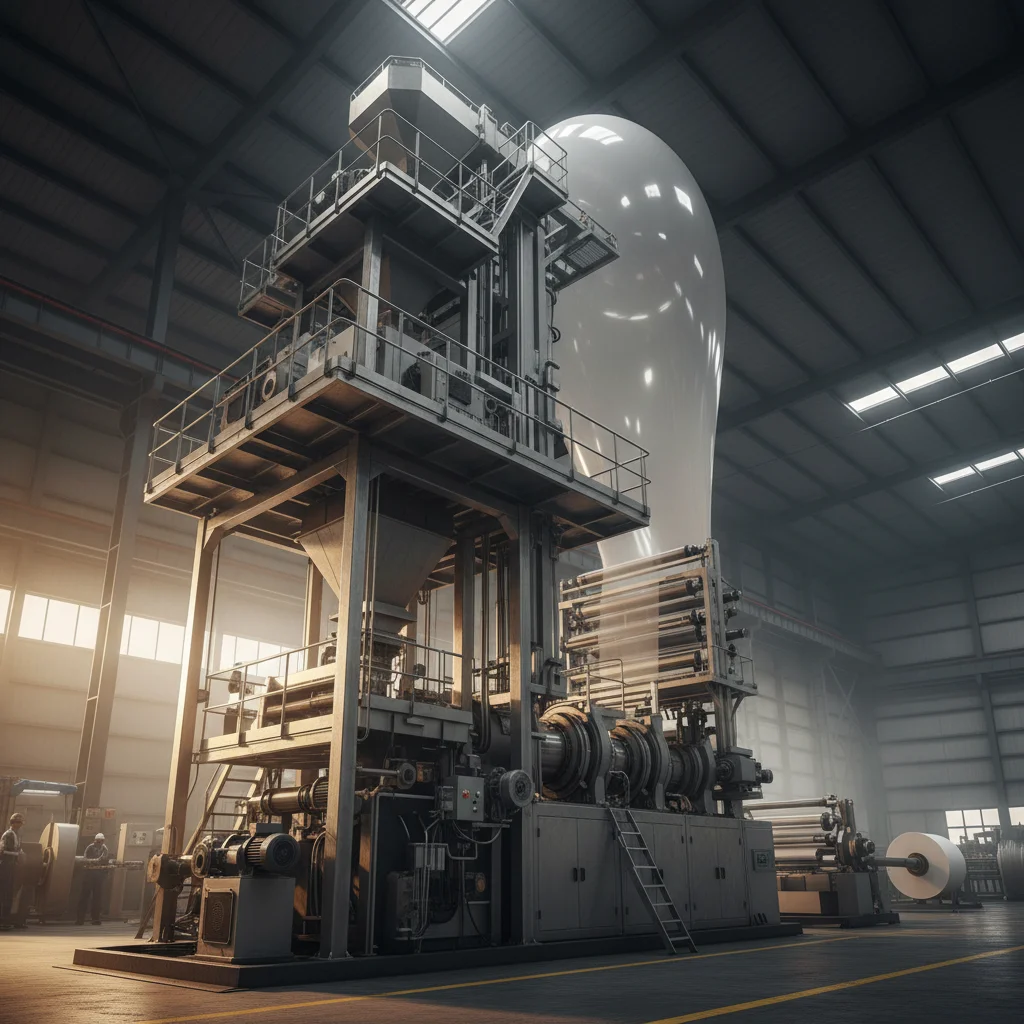
The world of packaging relies heavily on efficient film production, and the blown film winder is at the heart of this process. These machines are crucial for creating the plastic film used in countless applications, from food packaging and agricultural films to industrial liners and consumer goods. Understanding blown film winding technology is no longer just for industry professionals; it impacts sustainability efforts, cost-effectiveness in manufacturing, and the quality of products we use daily.
Globally, the demand for flexible packaging is steadily increasing, driven by factors like urbanization, changing lifestyles, and the growth of e-commerce. This surge in demand translates directly into a greater need for sophisticated blown film winding solutions. According to research, the global blown film market is projected to reach significant growth in the coming years, highlighting the critical role of innovation and efficiency in this sector.
The blown film winder addresses the challenges of maintaining film quality, maximizing production speeds, and reducing waste in a rapidly evolving market. It's a key component in ensuring a reliable and cost-effective supply chain for industries worldwide.
The Core Principles of blown film winder
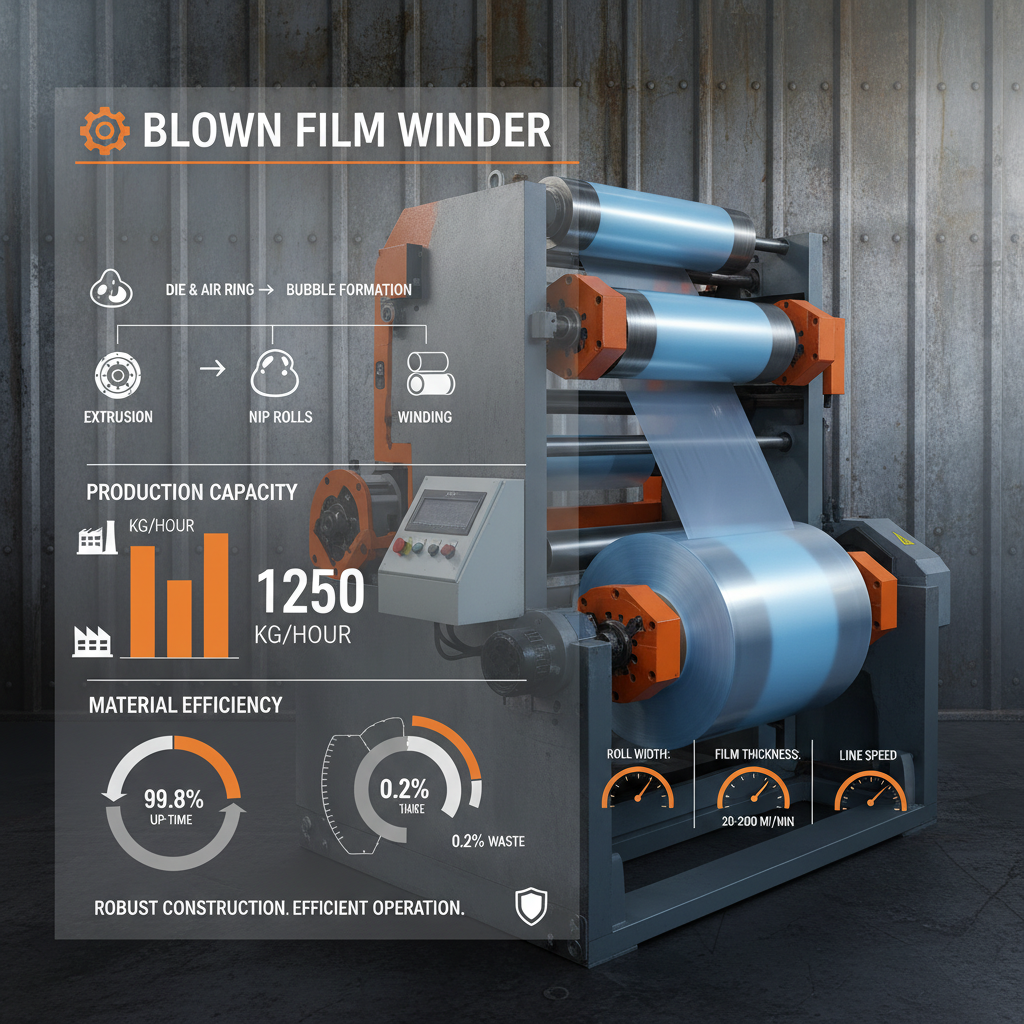
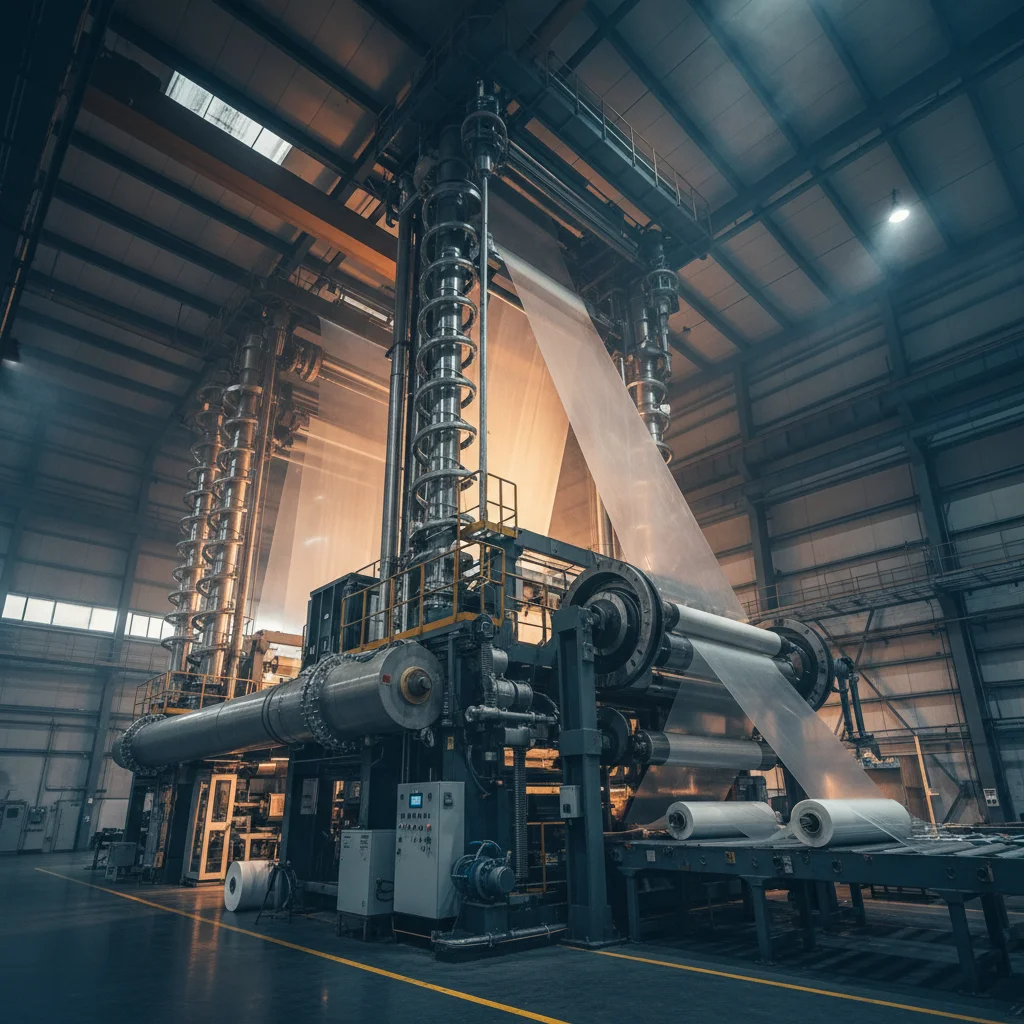
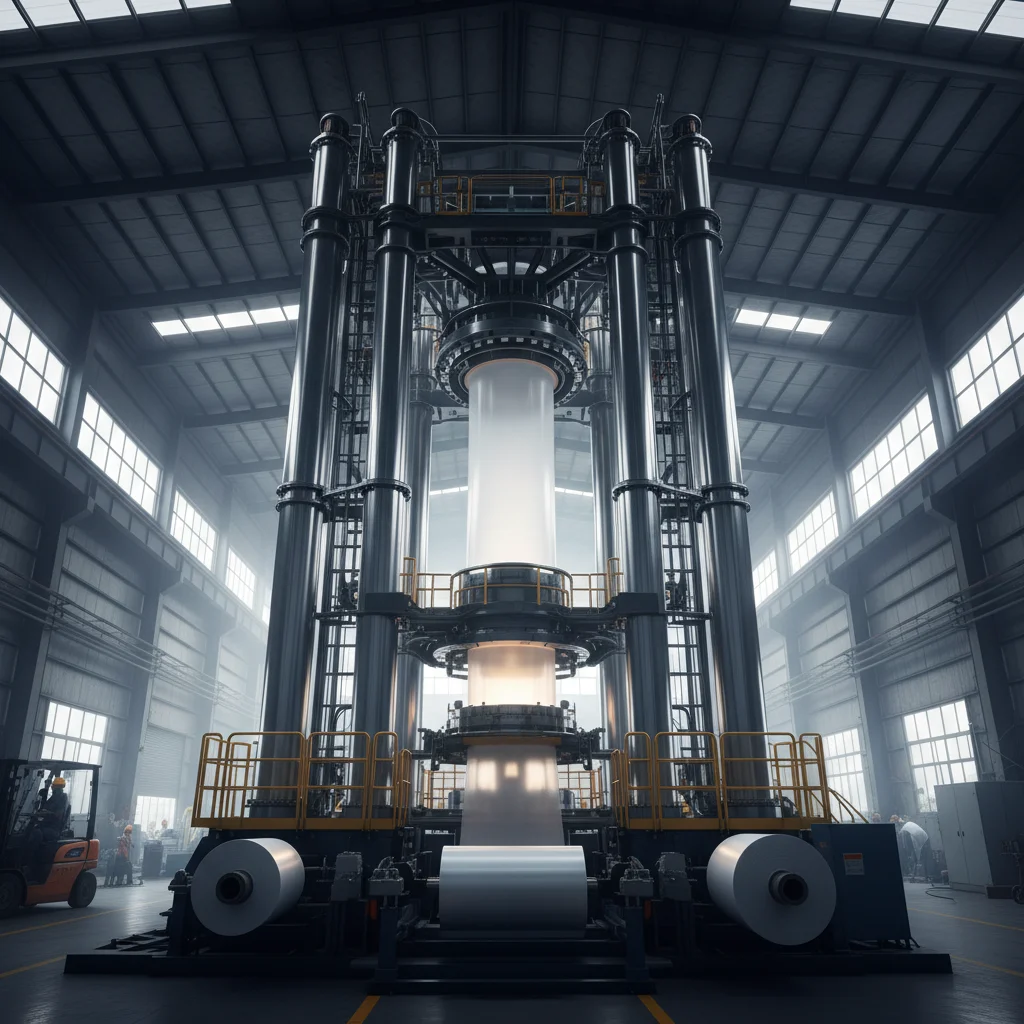
At its most basic, a blown film winder takes molten plastic, typically polyethylene (PE), polypropylene (PP), or polyvinyl chloride (PVC), and extrudes it into a thin tube. This tube is then inflated with air, “blowing” it into the desired diameter and thickness. The winding process involves precisely controlling the speed and tension as the film is collected onto a core.
Effective winding is essential for creating uniform rolls that are easy to handle and process further. Factors like nip roll pressure, winding tension, and core alignment all significantly impact the final product’s quality and usability. Modern blown film winder machines incorporate advanced control systems to maintain consistency and minimize defects.
Industry Relevance and Global Impact
The impact of the blown film winder is far-reaching. It's a foundational technology for the packaging industry, which serves nearly every sector, including food and beverage, pharmaceuticals, agriculture, and consumer goods. The efficiency and precision of these machines directly affect the cost and availability of packaged products globally.
Rapid growth in developing economies, coupled with increasing consumer demand for packaged goods, is driving the demand for advanced winding solutions. Asia-Pacific is currently the largest market for blown film, and the region's continued growth will heavily influence the evolution of winding technologies.
Beyond packaging, blown film is also critical in specialized applications like construction (vapor barriers, geomembranes), healthcare (medical packaging, sterile barriers), and agriculture (greenhouse films, silage wrap). This broad applicability underscores the importance of continual innovation in blown film winder technology.
Defining the blown film winder Process
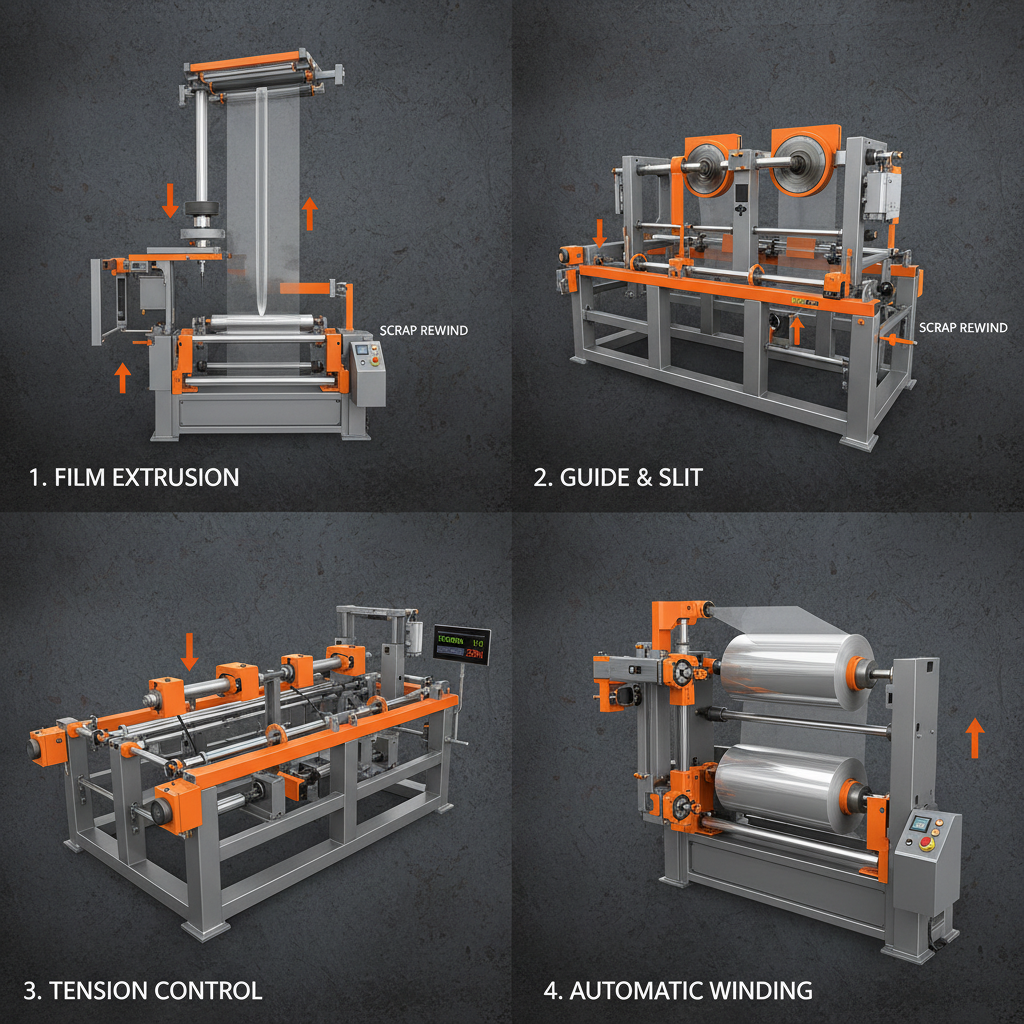
The blown film winding process isn’t simply about rolling up plastic. It’s a carefully orchestrated sequence of events. The extruded film bubble is first cooled and collapsed, then guided through a series of rollers that apply tension and ensure uniform width.
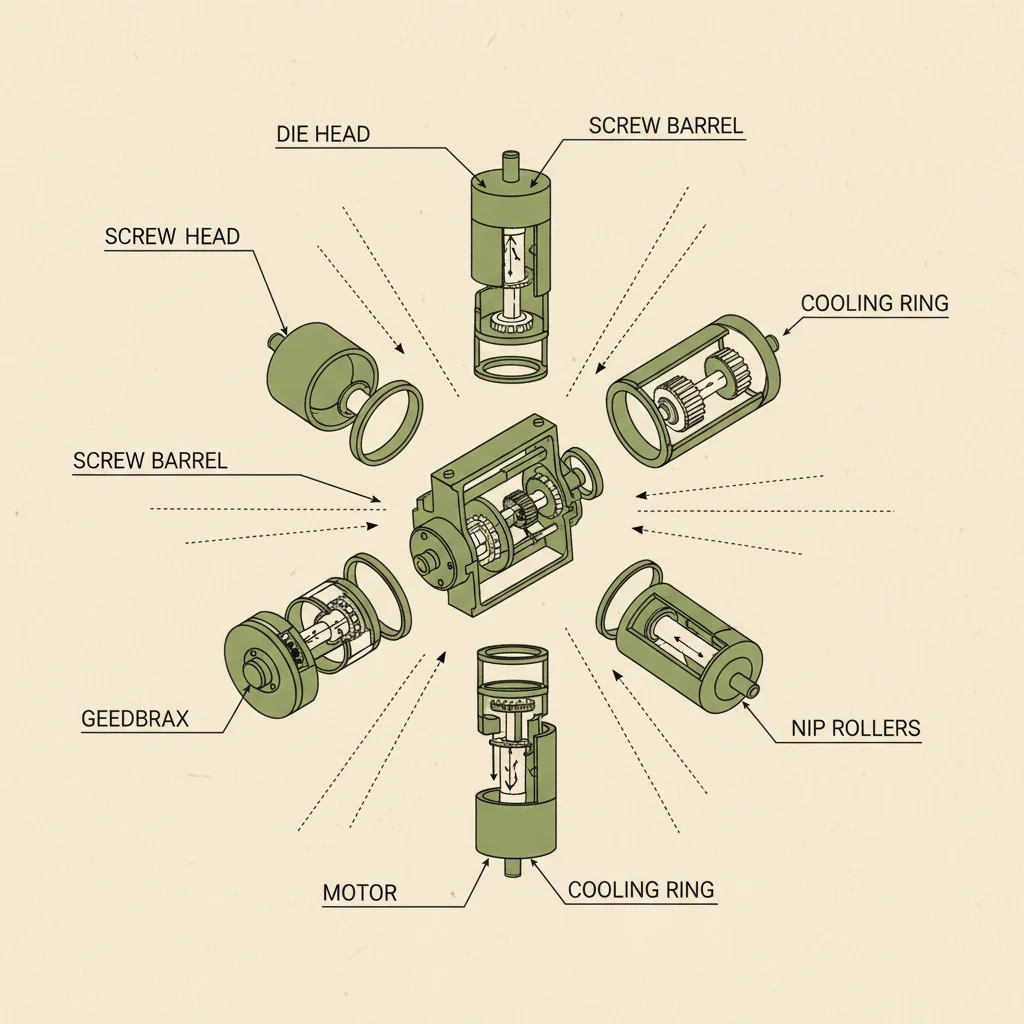
Key components include the nip rollers (which grip the film), the winder drum (where the film is collected), and the tension control system (which maintains consistent tightness). Modern blown film winder often feature automatic tension control (ATC) systems that dynamically adjust tension based on film speed and diameter, ensuring consistent roll quality.
The process also involves slitting the film into desired widths, often using razor-sharp blades. Precision slitting is vital for minimizing waste and ensuring that the final product meets precise specifications. Automated slitting and winding systems can significantly increase production efficiency and reduce labor costs.
Key Aspects of High-Performance blown film winder
Several factors differentiate a high-performing blown film winder from a standard model. These include precise tension control, consistent winding density, efficient cooling systems, and advanced automation features.
High-speed winding capability is also crucial for maximizing production output. Advanced winding designs minimize slippage and ensure smooth film transfer, even at high speeds.
Comparison of blown film winder Methods
Diverse Applications of blown film winder
The film produced by a blown film winder finds its way into an astonishing array of applications. Food packaging benefits from the film's barrier properties, protecting against moisture and oxygen. Agricultural films create controlled environments for crop growth.
Industrial applications use the film for protective liners, construction materials, and even specialized components. The flexibility and versatility of blown film make it an indispensable material across numerous industries.
Advantages and Long-Term Value Proposition
Investing in a high-quality blown film winder offers several tangible benefits. Reduced material waste, increased production speed, and improved product quality translate directly into cost savings and higher profitability.
Furthermore, modern machines often incorporate energy-efficient designs and features, minimizing environmental impact and reducing operating costs. The reliability and longevity of a well-maintained blown film winder contribute to long-term value and a sustainable manufacturing process.
Future Trends and Innovations in blown film winder
The future of blown film winder technology is focused on sustainability, automation, and data-driven optimization. Expect to see increased adoption of biodegradable and compostable film materials, driven by growing environmental concerns.
Automation technologies, such as robotic handling and automated quality control systems, will further enhance efficiency and reduce labor costs. Digitalization and the integration of Industry 4.0 principles – like real-time data monitoring and predictive maintenance – will become increasingly prevalent.
Furthermore, research into new extrusion techniques and materials promises to deliver films with enhanced properties, such as improved barrier performance and increased strength.
Analysis of Key Factors Affecting Blown Film Winder Performance
| Component Quality |
Automation Level |
Maintenance Schedule |
Operator Skill Level |
| High-quality components contribute to greater reliability and reduced downtime. |
Higher automation leads to increased production speed and reduced labor costs. (Score: 8/10) |
Regular preventative maintenance significantly extends the machine's lifespan. (Score: 9/10) |
A skilled operator can optimize performance and minimize defects. (Score: 7/10) |
| Lower-quality parts increase the risk of failures and require frequent replacements. |
Limited automation results in slower production and increased manual effort. (Score: 4/10) |
Infrequent maintenance leads to premature wear and tear. (Score: 3/10) |
Insufficient operator training can lead to errors and inefficient operation. (Score: 2/10) |
| Component sourcing is crucial, favoring reputable manufacturers. |
Optimal automation strikes a balance between efficiency and cost. (Score: 7/10) |
A proactive maintenance program is essential for long-term reliability. (Score: 8/10) |
Continuous operator training ensures best practices are followed. (Score: 8/10) |
| Investing in durable components provides a long-term return. |
Strategic automation can address specific production bottlenecks. (Score: 6/10) |
Detailed maintenance records help track performance and identify issues. (Score: 7/10) |
Experienced operators can troubleshoot problems quickly and effectively. (Score: 9/10) |
| Regular component inspections help identify potential issues before they escalate. |
Integration with data analytics tools enhances process optimization. (Score: 5/10) |
Predictive maintenance techniques minimize unplanned downtime. (Score: 8/10) |
Operators should be familiar with the machine’s control systems and safety features. (Score: 9/10) |
| Prioritizing component quality contributes to consistent film properties. |
Remote monitoring capabilities allow for real-time performance assessment. (Score: 6/10) |
Adhering to manufacturer recommendations ensures proper maintenance procedures. (Score: 7/10) |
Effective communication between operators and maintenance personnel is crucial. (Score: 8/10) |
FAQS
Regular maintenance for a blown film winder includes lubrication of moving parts, inspection of heating elements, cleaning of the extrusion die, checking tension control components, and monitoring the overall condition of the machine. Preventative maintenance schedules should be followed strictly to minimize downtime and ensure optimal performance. Regularly inspecting and replacing wear items, like rollers and blades, is also critical. Expect to dedicate several hours per week to routine checks and maintenance.
Winding tension is a critical parameter in blown film winder operation. Too little tension can result in loose rolls and wrinkles, while too much tension can stretch the film and cause it to become thin or tear. Proper tension ensures uniform film thickness, consistent roll density, and smooth unwindability. Modern winders employ automatic tension control (ATC) systems to maintain optimal tension throughout the winding process, adapting to variations in film speed and diameter.
A blown film winder can process a wide range of thermoplastic materials, including polyethylene (PE), polypropylene (PP), polyvinyl chloride (PVC), and various copolymers. The choice of material depends on the desired film properties, such as strength, flexibility, barrier properties, and clarity. Different materials require different processing parameters, such as extrusion temperature, cooling rate, and winding tension.
Improving efficiency involves optimizing several factors. Regularly maintain your equipment, ensuring optimal cooling and tension control. Minimize material waste through precise slitting and winding techniques. Train operators to monitor process parameters and identify potential issues early on. Consider automating processes like roll handling and packaging to reduce labor costs and improve throughput. Implementing data analytics can help identify trends and opportunities for optimization.
Operating a blown film winder requires strict adherence to safety protocols. Always wear appropriate personal protective equipment (PPE), including safety glasses, gloves, and hearing protection. Ensure that all safety guards are in place and functioning correctly. Be aware of the risks associated with moving parts, hot surfaces, and electrical components. Follow lockout/tagout procedures during maintenance and repair work.
The cooling system is paramount in the blown film winder process. It rapidly cools the extruded plastic bubble, solidifying it to maintain its shape and dimensions. Efficient cooling is essential for achieving consistent film thickness and clarity. Air rings and internal air blowers are commonly used to provide controlled cooling. Insufficient cooling can lead to film distortion and defects, while excessive cooling can affect the film’s mechanical properties.
Conclusion
The blown film winder remains a cornerstone of modern packaging and a diverse range of industrial applications. From its fundamental principles of extrusion and winding to its increasingly sophisticated automation and sustainability features, this technology continues to evolve to meet the demands of a changing world. Understanding the key aspects of blown film winding – from tension control to material selection – is essential for maximizing efficiency, minimizing waste, and delivering high-quality products.
Looking ahead, the future of blown film winding will be shaped by innovations in materials science, digitalization, and a growing commitment to environmental responsibility. By embracing these advancements, manufacturers can unlock new levels of productivity, sustainability, and competitiveness. To explore advanced blown film winder solutions and learn how to optimize your production process, visit our website today: www.cnchsj.com