0%

Table of Contents

The global packaging industry relies heavily on efficient and cost-effective film production, and the blow film extrusion machine is central to this process. This technology enables the creation of flexible packaging used across numerous sectors, from food and beverage to pharmaceuticals and industrial goods. Understanding the nuances of blow film extrusion is critical for manufacturers seeking to optimize production, reduce waste, and meet increasingly stringent quality and sustainability standards. This understanding also impacts logistics, supply chains, and ultimately, consumer access to essential products worldwide.

The demand for blow film is driven by factors like population growth, urbanization, and changing consumer preferences for packaged goods. Globally, the packaging market is a multi-billion dollar industry, and advancements in blow film extrusion machine technology directly influence its evolution. Challenges include the need for lighter-weight, more sustainable materials, and increased production speeds. Innovations in machine control systems and polymer science are key to overcoming these hurdles and maintaining competitiveness in the global market.

The versatility of blow film extends beyond simple packaging. It’s used in agricultural films, medical bags, geomembranes, and numerous specialized applications. Mastering the principles behind the blow film extrusion machine allows for customization to meet highly specific needs, contributing to improvements in diverse fields.
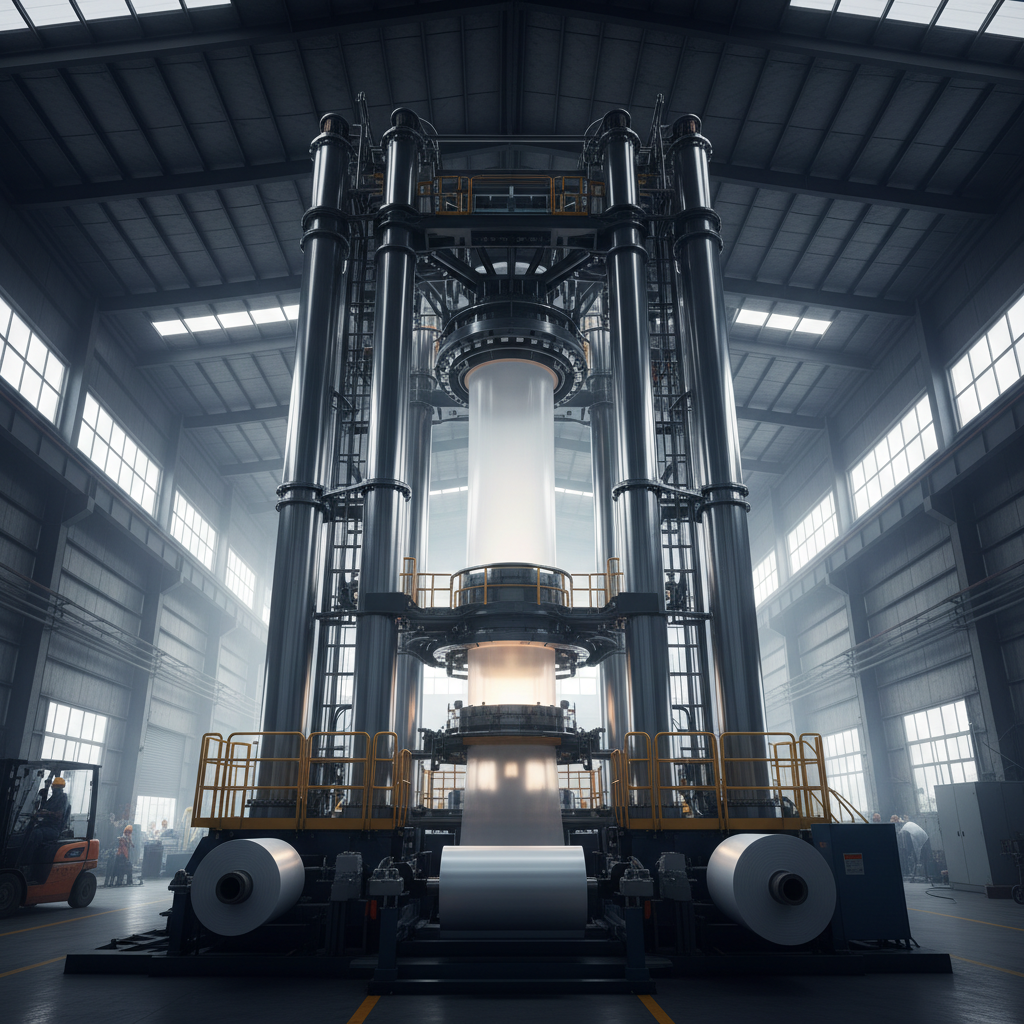
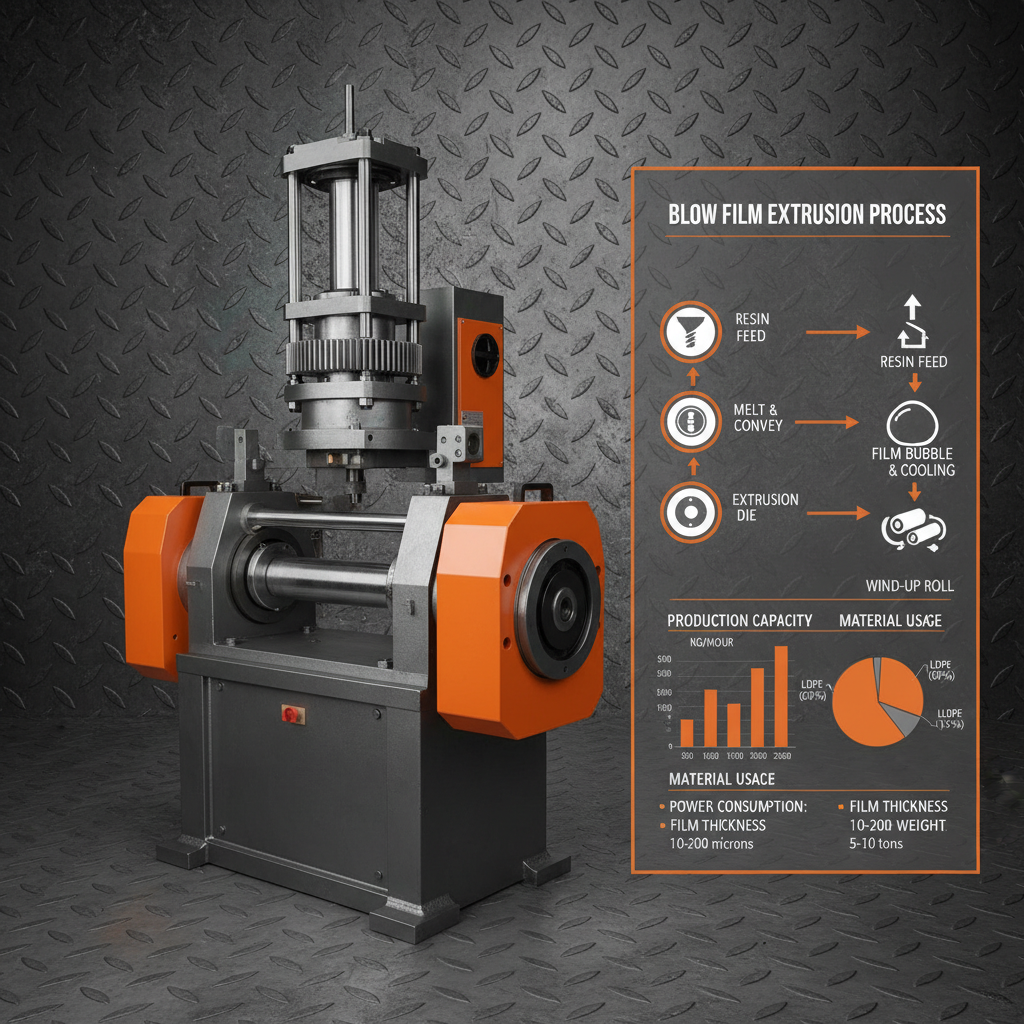
blow film extrusion machine

The Significance of Blow Film Extrusion Machine

blow film extrusion machine

The blow film extrusion machine represents a cornerstone of modern packaging technology, directly impacting the availability and affordability of goods across countless industries. Its importance lies in its ability to produce high-quality, versatile plastic films efficiently.

This machine isn't merely about manufacturing plastic; it’s about enabling preservation, transportation, and ultimately, consumer convenience. Without reliable blow film production, supply chains would be significantly hampered, and product quality compromised.

Global Relevance and Industry Context

The global packaging industry is projected to reach $1.07 trillion by 2027 (Source: Grand View Research), with a significant portion reliant on blown film. Emerging economies in Asia-Pacific, particularly China and India, are experiencing rapid growth in demand for packaged goods, driving increased demand for blow film extrusion machine. The United Nations Sustainable Development Goals also influence the industry, pushing for more sustainable packaging solutions.

One key challenge is reducing plastic waste. This has led to research and development in biodegradable and recyclable films, requiring adaptable blow film extrusion machine capable of processing these new materials. Furthermore, international standards like ISO 9001 and ISO 14001 are increasingly important for manufacturers to demonstrate quality and environmental responsibility.

The efficiency of blow film production directly impacts the cost of goods, influencing competitiveness in the global marketplace. Companies investing in advanced machine technology and optimized processes gain a significant advantage, particularly in price-sensitive markets.

Defining Blow Film Extrusion Machine

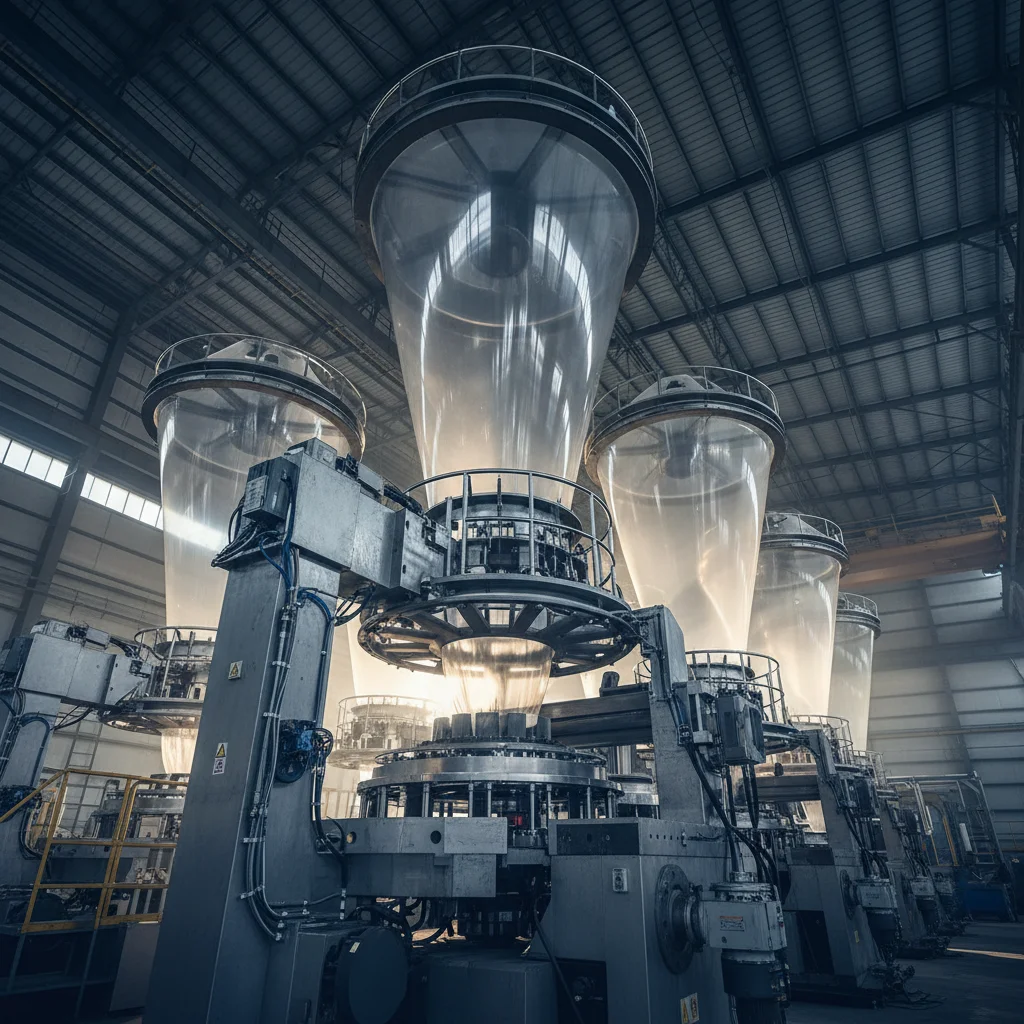
A blow film extrusion machine is a device that melts plastic resin and extrudes it into a thin tube. Air is then blown into the tube, inflating it like a balloon, and simultaneously stretched to achieve the desired thickness and width. This inflated tube, known as a film bubble, is then cooled, collapsed, and wound onto a roll.

This process is crucial in modern industry because it provides a continuous, high-speed method for producing large volumes of plastic film. It’s utilized for a wide range of polymers, including polyethylene (PE), polypropylene (PP), and polyethylene terephthalate (PET), each offering unique properties for specific applications.

The connection to humanitarian needs lies in its ability to produce films used for essential packaging like food storage, medical supplies, and protective barriers in disaster relief efforts. The blow film extrusion machine, therefore, supports both commercial and social well-being.

Key Factors Influencing Performance

Durability is paramount; a robust machine minimizes downtime and maintenance costs. Scalability refers to the machine’s ability to adjust production capacity based on demand – crucial for fluctuating market conditions.

Cost efficiency encompasses both the initial investment and ongoing operational expenses, including energy consumption and material waste. Precise control systems are essential for consistent film quality and minimized scrap rates. Die design significantly impacts film uniformity and thickness control.

Comparison of Blow Film Extrusion Machine Methods

Diverse Applications Worldwide

In the food and beverage industry, blow film extrusion machine products create packaging for snacks, frozen foods, and liquid containers. The agricultural sector uses them for greenhouse films, mulch films, and silage wrap. Medical applications include sterile packaging for medical devices and intravenous fluid bags.

In post-disaster relief operations, blow film is crucial for creating temporary shelters, hygiene kits, and protective coverings. In remote industrial zones, it's used for geomembranes in landfills and containment structures. Across Europe, there's a strong focus on developing recyclable films for the packaging of consumer goods.

Advantages and Long-Term Value Proposition

The tangible benefits of investing in a high-quality blow film extrusion machine include reduced production costs through increased efficiency, minimized material waste, and enhanced product quality. Sustainability is achieved through the use of recycled materials and thinner film gauges.

Beyond the economic advantages, there's a significant social impact related to food security, healthcare, and disaster preparedness. Reliability ensures consistent supply, fostering trust with customers and stakeholders. Innovation in film properties and machine capabilities drives competitiveness and opens new market opportunities.

Future Trends and Innovation

The future of blow film extrusion machine lies in several key areas. Digital transformation, incorporating AI-powered control systems for predictive maintenance and optimized production parameters, is gaining momentum. The integration of Industry 4.0 principles will create smart factories with real-time data analysis.

Sustainable materials, like bio-based polymers and compostable films, are driving innovation in machine design and process optimization. Automation, including robotic handling systems, will enhance efficiency and reduce labor costs. Exploration of new film structures with improved barrier properties and recyclability is ongoing.

The demand for thinner, stronger, and more sustainable films will necessitate advancements in both materials science and machine technology, pushing the boundaries of what’s possible with blow film extrusion.

FAQS

What are the key differences between single-layer and multi-layer blow film extrusion?

Single-layer extrusion uses one type of polymer, offering simplicity and lower cost. Multi-layer extrusion combines different polymers to achieve specific properties, such as enhanced barrier protection, improved strength, or better sealing characteristics. Multi-layer film provides more versatility for diverse applications but requires a more complex and expensive blow film extrusion machine setup.

How can I reduce material waste during the blow film extrusion process?

Several strategies can minimize waste, including precise temperature control, optimized die design, consistent resin quality, and efficient cooling systems. Implementing closed-loop scrap recycling systems and utilizing advanced process monitoring tools to identify and address inconsistencies are also crucial. Regular maintenance of the blow film extrusion machine is paramount.

What is the typical lifespan of a blow film extrusion machine?

With proper maintenance and regular servicing, a well-built blow film extrusion machine can have a lifespan of 15-20 years, or even longer. Factors influencing lifespan include the quality of construction, the intensity of usage, and the adherence to preventative maintenance schedules. Investing in a robust machine from a reputable manufacturer is vital.

What types of polymers can be processed using blow film extrusion?

The most common polymers processed include polyethylene (PE) – LDPE, LLDPE, HDPE – polypropylene (PP), and polyethylene terephthalate (PET). However, advancements allow processing of specialized polymers like EVOH and biodegradable plastics. The specific blow film extrusion machine and its components must be compatible with the chosen polymer.

How important is cooling in the blow film extrusion process?

Cooling is critically important. It stabilizes the film bubble, solidifies the plastic, and prevents defects. Inefficient cooling can lead to uneven thickness, distortion, and compromised mechanical properties. Advanced cooling systems, including air rings and internal bubble cooling, are essential for high-quality film production on a blow film extrusion machine.

What are the common troubleshooting steps for common issues like film wrinkling?

Film wrinkling can stem from several issues: uneven cooling, excessive die pressure, improper air ring settings, or variations in resin temperature. Troubleshooting involves systematically adjusting these parameters and inspecting the die, air ring, and cooling system. Often, optimizing machine settings alongside material adjustments can resolve the problem, and prompt maintenance on the blow film extrusion machine can prevent recurrence.

Conclusion

The blow film extrusion machine is an indispensable technology at the heart of the global packaging industry and beyond. Its ability to produce versatile, cost-effective, and increasingly sustainable plastic films underpins countless applications, from food preservation and medical packaging to agricultural films and disaster relief. Understanding its principles, challenges, and future trends is vital for businesses seeking to thrive in a rapidly evolving market.

Investing in advanced machine technology, embracing sustainable materials, and prioritizing innovation are crucial steps for ensuring long-term success. By focusing on efficiency, quality, and environmental responsibility, manufacturers can leverage the power of blow film extrusion to meet the demands of a changing world. For reliable and innovative solutions, visit our website: www.cnchsj.com

Brian Wilson

Brian Wilson

Brian Wilson is the Logistics and Export Manager for Chengheng Plastic Machinery, specializing in shipments to Central and South America. He oversees all aspects of international shipping, ensuring timely and efficient delivery of our machines to customers across the globe. Brian has a Bachelor’s degree in Supply Chain Management and 7 years of experience in international logistics. He is adept at navigating complex customs regulations and coordinating with shipping partners. Brian ensures that our machines are securely packaged and delivered on schedule, streamlining the export process for our valued clients.
Previous Advanced Blown Film Winder Technology for Efficient Packaging Solutions
Next Optimizing Production with Advanced Blown Film Extruder Machine Technology