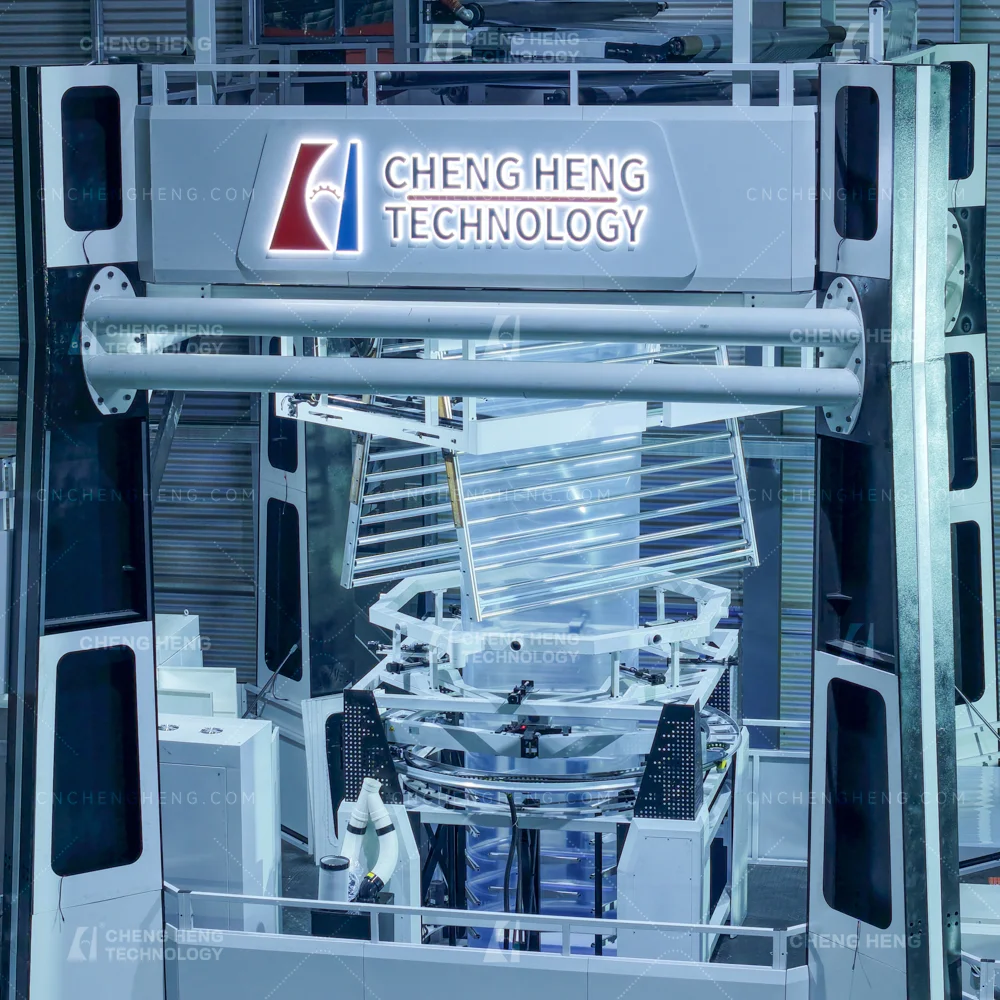
The global manufacturing landscape has seen a significant surge in the demand for high-efficiency polymer processing, and at the heart of this evolution is the single screw plastic extruder machine. As industries shift toward more sustainable packaging and precision-engineered plastic components, understanding the mechanics and versatility of single-screw extrusion becomes paramount for operators seeking to optimize throughput and material consistency.
Across diverse sectors—from the production of agricultural films to advanced medical tubing—the reliability of a single screw plastic extruder machine ensures that raw resin is transformed into high-value products with minimal waste. By balancing thermal energy and mechanical shear, these machines provide the foundational stability required for subsequent processes like film blowing or profile extrusion.
Whether you are managing a large-scale production line or a boutique specialized workshop, investing in the right extrusion technology is not just about capacity, but about achieving the precise rheological properties required for high-performance plastics. Mastering the nuances of the single screw plastic extruder machine allows manufacturers to stay competitive in an era of rapid material innovation and stringent environmental regulations.
The Fundamental Role of Single Screw Plastic Extruder Machines in Industry
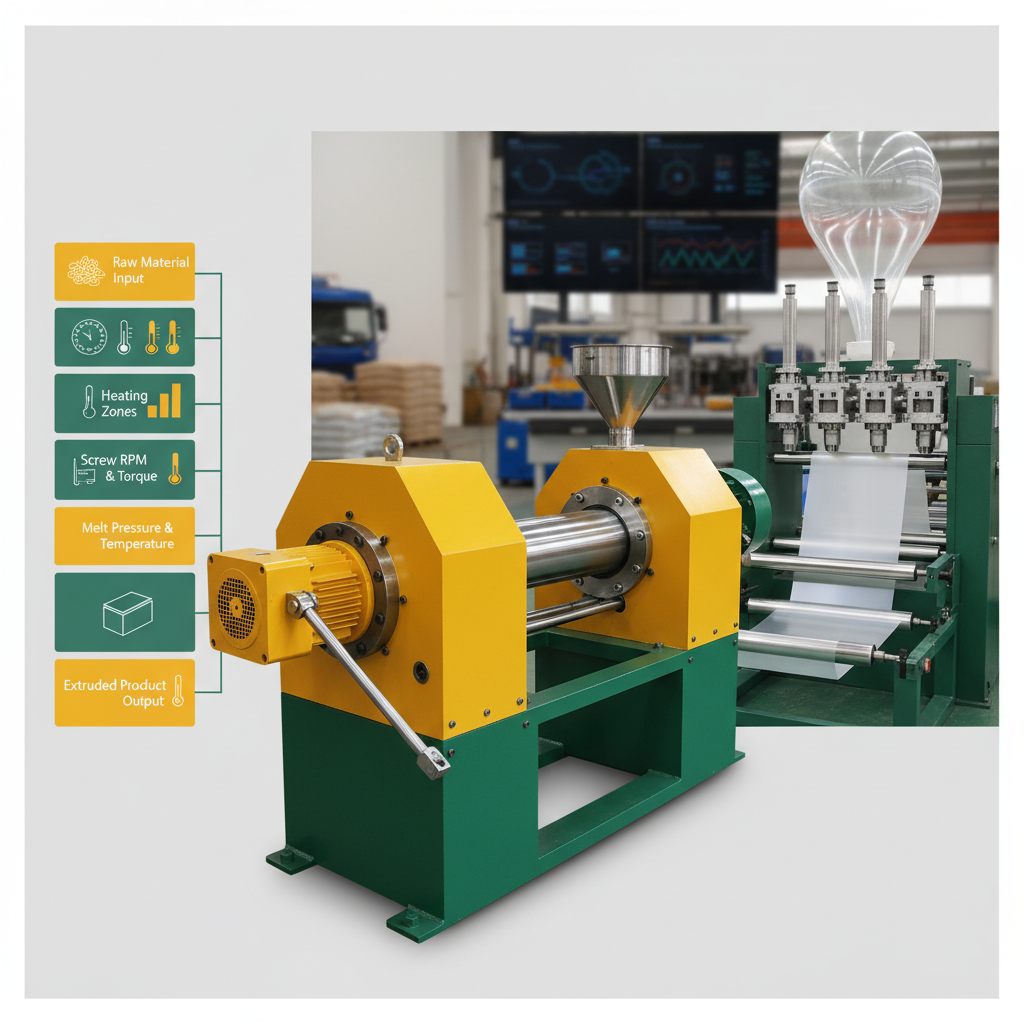
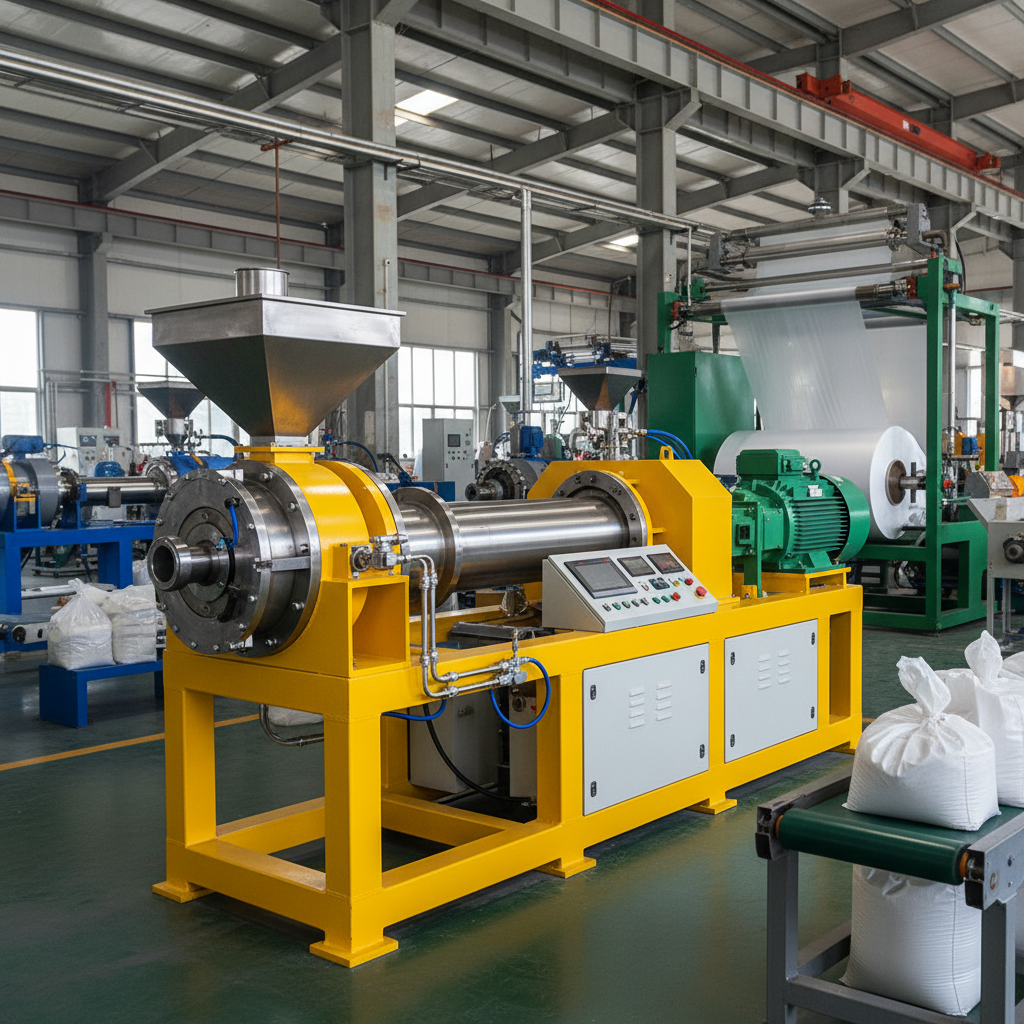
The single screw plastic extruder machine serves as the workhorse of the plastics industry, providing a continuous method of melting and conveying thermoplastic resins. By utilizing a rotating screw within a heated barrel, the machine converts solid pellets into a homogeneous melt, which is then forced through a die to create specific shapes. This process is essential for everything from simple plastic bags to complex industrial piping.
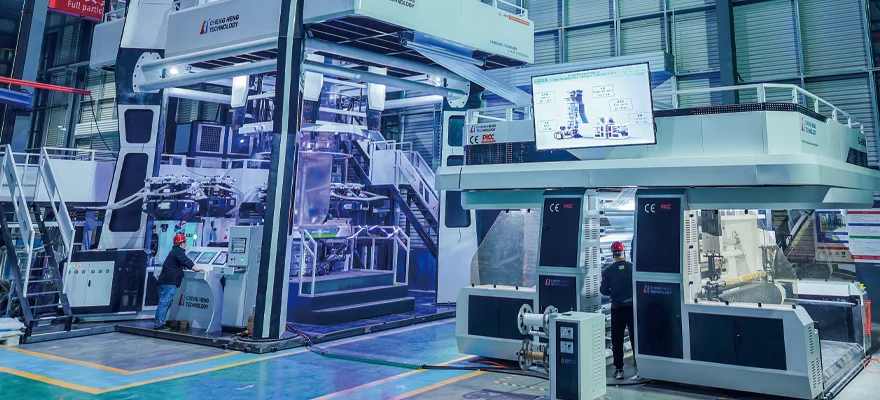
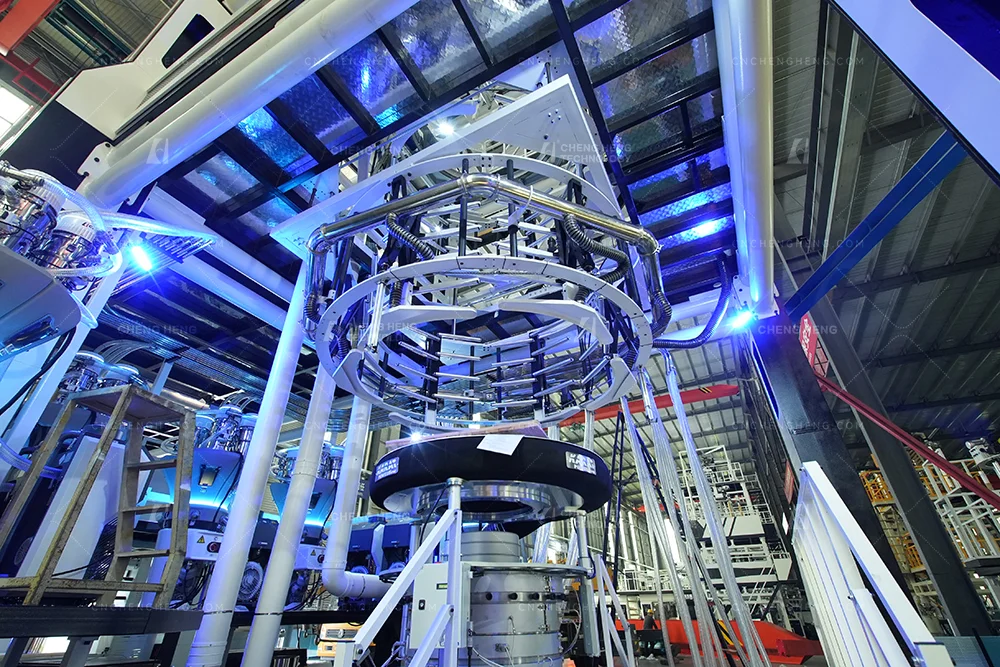
Globally, the reliance on these machines is driven by their simplicity, cost-effectiveness, and the high degree of control they offer over the extrusion rate. For manufacturers specializing in Double Layer or Multi Layer Blown Film Extrusion, the single screw unit acts as the critical primary driver, ensuring that the polymer melt maintains the exact viscosity needed to prevent bubble instability during the blowing process.
Technical Architecture and Core Components
At its core, a single screw plastic extruder machine consists of four primary systems: the feeding system, the heating/barrel system, the screw assembly, and the die head. The feeding system ensures a steady intake of raw materials, while the barrel is equipped with precision heaters that maintain a specific temperature profile, preventing material degradation while ensuring complete melting.
The screw itself is a marvel of engineering, typically divided into three zones: the feed zone, the compression zone, and the metering zone. In the feed zone, the pellets are transported forward; in the compression zone, the air is pushed back and the material is compacted; and in the metering zone, the melt is homogenized and pressurized to ensure a steady, pulse-free output through the die.
The synergy between these components determines the overall quality of the final product. High-grade alloys in the screw and barrel are used to resist wear and corrosion, which is especially critical when processing recycled plastics or additives that can be abrasive. This structural integrity ensures that the machine can run for thousands of hours without compromising the dimensional accuracy of the extruded film.
Optimizing Material Flow and Thermal Control
Achieving the perfect melt in a single screw plastic extruder machine requires a deep understanding of polymer rheology. The relationship between the screw speed, the temperature of the heating bands, and the cooling capacity of the barrel determines the shear rate, which directly impacts the clarity and strength of the resulting plastic film.
One of the most critical challenges is avoiding "over-shearing," where excessive mechanical energy breaks the molecular chains of the polymer. By utilizing a precision-engineered single screw plastic extruder machine with optimized L/D (Length-to-Diameter) ratios, operators can maintain a balance between melting efficiency and material integrity.
Modern control systems now allow for PID-based temperature regulation, ensuring that the thermal gradient across the single screw plastic extruder machine remains stable within ±1°C. This level of precision is what separates industrial-grade output from low-quality production, especially when working with sensitive materials like LLDPE or biodegradable resins.
Comparative Efficiency of Extrusion Methodologies
When evaluating the performance of different configurations, the single screw plastic extruder machine stands out for its energy efficiency in high-volume, single-material applications. While twin-screw extruders offer better mixing for complex compounds, the single screw design minimizes energy loss and reduces maintenance costs due to fewer moving parts.
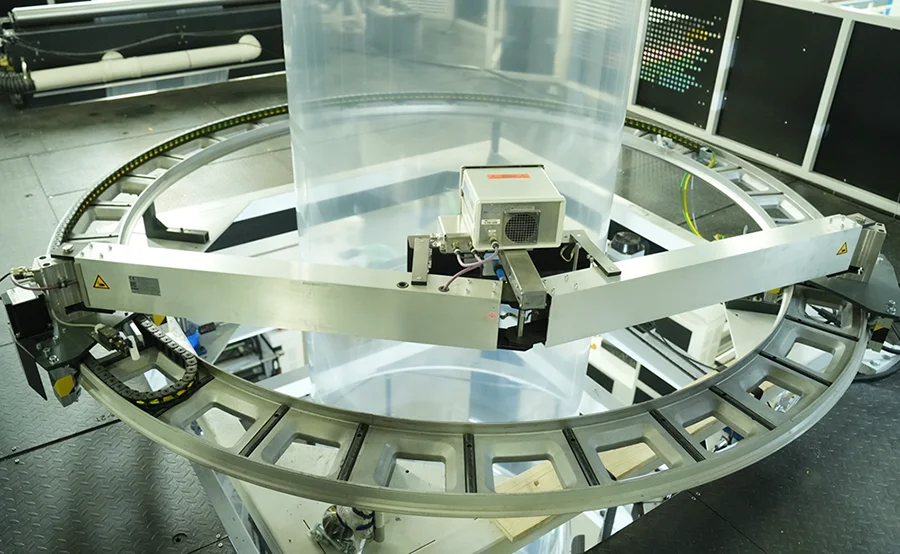
In the context of film blowing, the integration of a single screw plastic extruder machine into multi-layer lines allows for a streamlined production flow, where each layer's thickness can be independently controlled by adjusting the screw RPM of the corresponding extruder.
Operational Performance Rating of Extrusion Systems
Global Applications in Flexible Packaging and Film
The versatility of the single screw plastic extruder machine is best seen in the flexible packaging industry. From the production of heavy-duty shrink wraps in North America to the high-speed manufacturing of shopping bags in Southeast Asia, these machines provide the consistent melt pressure required for high-speed bubble expansion in Single Layer Blown Film Lines.
Beyond standard packaging, these extruders are increasingly used in the production of specialized technical films, such as those used in agricultural greenhouses or vacuum-sealed food packaging. By adjusting the screw geometry and adding specialized die heads, a single screw plastic extruder machine can produce films with varying barriers to oxygen and moisture, significantly extending the shelf life of perishable goods worldwide.
Long-term Value and Operational Sustainability
Investing in a high-quality single screw plastic extruder machine offers profound long-term value through reduced downtime and lower energy consumption. When a machine is built with precision-ground screws and high-efficiency motors, the cost per kilogram of processed material drops significantly over the lifecycle of the equipment.
Sustainability is no longer an option but a requirement. Modern single screw plastic extruder machine designs now incorporate better venting systems to handle recycled PCR (Post-Consumer Recycled) plastics. This allows manufacturers to integrate recycled content into their Three Layer ABC Blown Film Machines without sacrificing the physical properties of the final product.
Furthermore, the reliability of these machines fosters a sense of trust and stability in the supply chain. For small to medium enterprises, the ability to rely on a consistent output means they can guarantee delivery timelines and product quality to their clients, creating a sustainable business model based on technical excellence and operational reliability.
Future Trends in Intelligent Extrusion Technology
The future of the single screw plastic extruder machine lies in the integration of Industry 4.0. We are seeing a shift toward "Smart Extrusion," where sensors embedded in the barrel provide real-time data on melt pressure and viscosity, allowing the machine to automatically adjust screw speed and heating zones to compensate for raw material variations.
Another emerging trend is the use of bio-compatible and biodegradable polymers. Designing a single screw plastic extruder machine that can handle the unique thermal sensitivities of PLA or PBAT requires advanced screw profiles and more precise temperature control to prevent premature degradation of the organic chains.
As automation continues to expand, the coordination between the extruder and the downstream winding and cutting equipment will become seamless. The goal is a fully autonomous loop where the single screw plastic extruder machine optimizes its own energy consumption based on the current output demand and material grade.
Technical Analysis of Single Screw Plastic Extruder Machine Configurations
| Machine Configuration |
Material Compatibility |
Energy Efficiency |
Output Stability |
| Standard Single Screw |
LDPE / HDPE |
High (8/10) |
Moderate (7/10) |
| Barrier Screw Design |
PP / LLDPE |
Medium (7/10) |
Excellent (9/10) |
| Degassing Extruder |
Recycled Plastics |
Low (6/10) |
High (8/10) |
| High-Torque Drive |
High-Viscosity Resins |
Medium (7/10) |
Excellent (10/10) |
| Biopolymer Optimized |
PLA / PBAT |
High (9/10) |
Moderate (7/10) |
| Multi-Layer Unit |
Co-extruded Alloys |
Medium (7/10) |
Excellent (9/10) |
FAQS
A single screw plastic extruder machine is primarily used for melting and conveying materials with high efficiency and lower cost, making it ideal for film blowing and basic profiling. Twin screw extruders, conversely, provide superior mixing and compounding capabilities, which are necessary for adding fillers or creating complex polymer blends, but they are more expensive and energy-intensive to operate.
Preventing degradation requires strict thermal management. Ensure your heating bands are calibrated and that the L/D ratio of your screw is appropriate for your material. Additionally, optimizing the screw speed to reduce excessive shear heat and using high-quality, wear-resistant alloys in the barrel can significantly reduce the risk of polymer burning or discoloration.
Yes, but it often requires specific modifications. For recycled resins, we recommend a single screw plastic extruder machine equipped with a degassing or venting zone to remove volatiles and moisture. Using a barrier screw can also help in homogenizing the varying viscosities often found in post-consumer recycled (PCR) pellets, ensuring a stable film output.
The choice depends on your target output (kg/h) and the material's viscosity. A larger diameter increases the volume of the melt but requires a more powerful motor and higher heating capacity. We suggest calculating your daily production target and matching it with the machine's rated capacity, while leaving a 15-20% buffer to avoid running the machine at its absolute mechanical limit.
While you cannot "convert" a single extruder into a multi-layer one, you can integrate multiple single screw plastic extruder machines into a single die head. This allows you to feed different materials (such as an adhesive layer and a barrier layer) into one process, creating a high-performance multi-layer film without replacing your entire infrastructure.
Common warning signs include a noticeable drop in output pressure, an increase in "surging" (pulsating flow at the die), and the appearance of unmelts or "fish-eyes" in the final film. Additionally, if you notice an increase in energy consumption to maintain the same output, it often indicates excessive wear on the screw flights, increasing the gap between the screw and the barrel.
Conclusion
In summary, the single screw plastic extruder machine remains an indispensable cornerstone of the plastics manufacturing industry. From its robust technical architecture to its critical role in producing everything from basic packaging to advanced multi-layer films, its ability to deliver consistent, high-quality polymer melts is unmatched in terms of cost-to-performance ratio. By focusing on precise thermal control, optimized screw geometry, and the integration of smart sensors, manufacturers can maximize their efficiency while reducing environmental impact.
Looking ahead, the transition toward circular economies and biodegradable materials will drive further innovation in extrusion technology. Those who invest in high-precision, adaptable extrusion systems today will be best positioned to lead the market in sustainability and product innovation. We encourage you to evaluate your current production line and consider how upgraded extrusion technology can enhance your competitiveness. For more professional guidance and high-performance equipment, visit our website: www.cnchsj.com