The cast film extrusion process is a cornerstone of modern materials manufacturing, impacting a diverse range of industries from packaging and agriculture to medical applications and beyond. It’s a highly versatile technique used to create films with consistent thickness, excellent clarity, and tailored mechanical properties. Understanding this process is critical for anyone involved in materials science, manufacturing engineering, or related fields as it directly influences product quality, cost-effectiveness, and innovation.
Globally, the demand for cast films is steadily increasing, driven by factors like population growth, rising consumer spending, and the expanding need for sustainable packaging solutions. According to a report by Smithers Pira, the global cast polypropylene (CPP) film market, a key segment of cast film production, is projected to reach $18.5 billion by 2028. This growth highlights the significant economic impact of the cast film extrusion process and its essential role in global supply chains.
The cast film extrusion process addresses critical challenges in numerous sectors, including the need for lightweight yet durable packaging to reduce waste, barrier films to extend food shelf life, and specialized films for demanding technical applications. Improvements in the process translate directly into better products, reduced environmental impact, and enhanced performance across various industries.
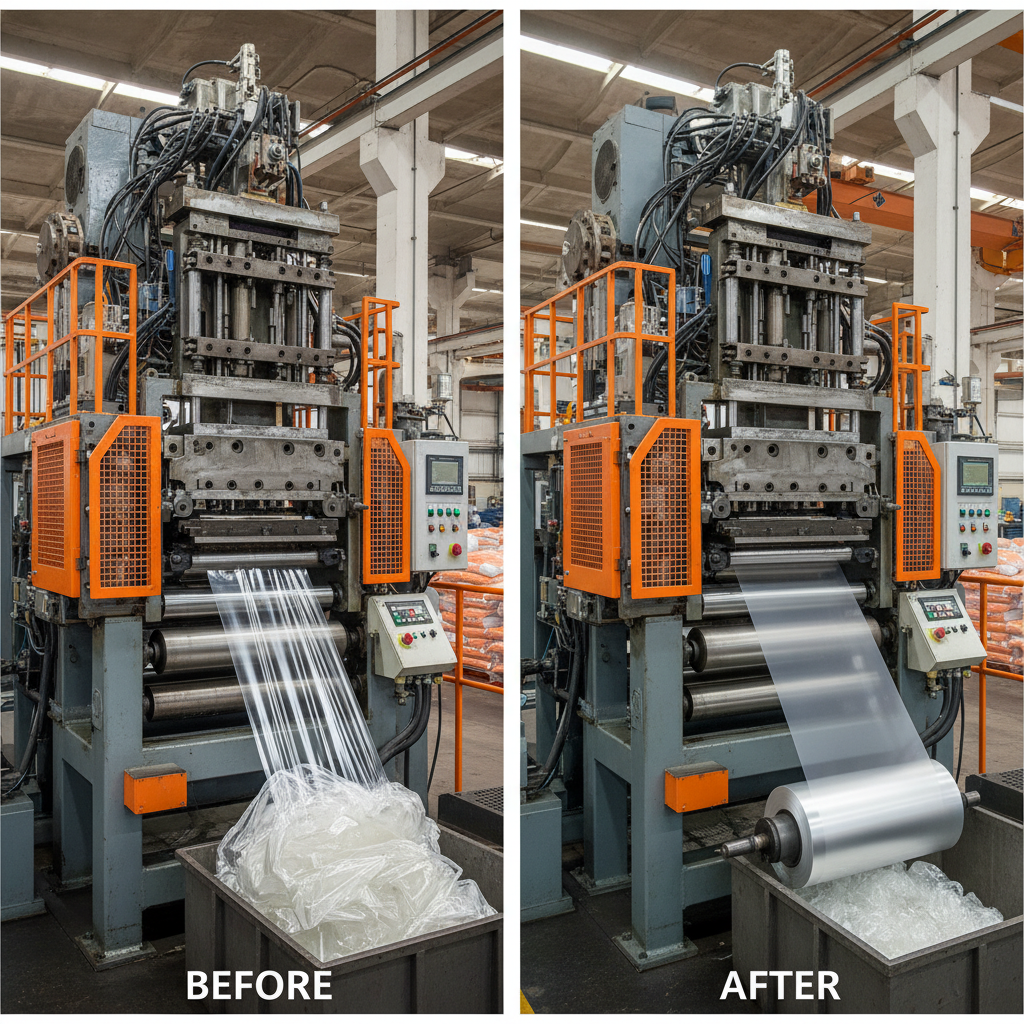
Introduction to cast film extrusion process
The cast film extrusion process stands as a vital technology in the polymer processing industry, delivering films with exceptional properties tailored for diverse applications. Its ability to create consistent, high-quality films makes it a preferred method for producing packaging materials, agricultural films, and specialized industrial products. The process relies on carefully controlled conditions to achieve the desired film characteristics.
This technique differs significantly from blown film extrusion, offering advantages in terms of film clarity, dimensional stability, and surface finish. Understanding the nuances of the cast film extrusion process is essential for optimizing production parameters and developing innovative film solutions.
Defining the cast film extrusion process
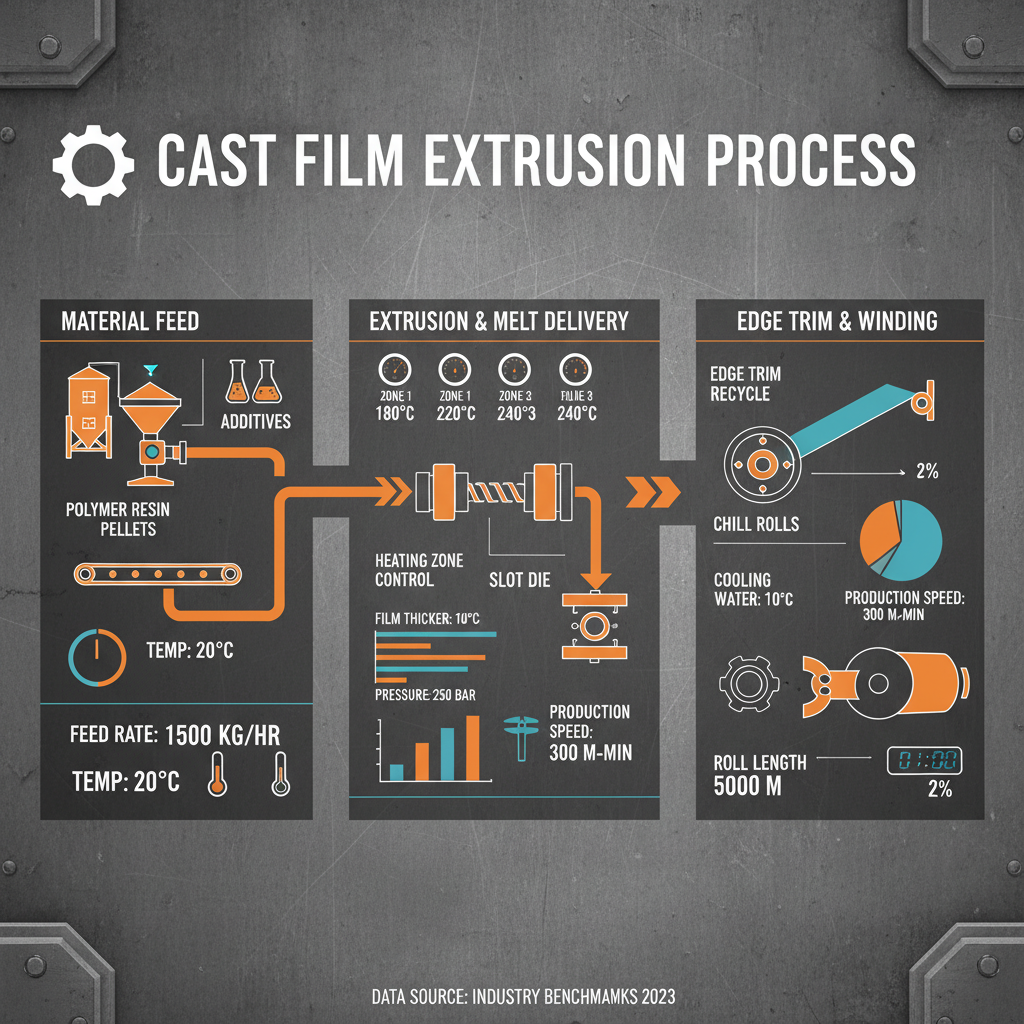
The cast film extrusion process is a manufacturing technique where a molten polymer is extruded through a flat die and then rapidly cooled and solidified on a chilled roller or casting drum. This rapid cooling imparts a unique molecular orientation to the film, resulting in enhanced clarity, dimensional stability, and mechanical properties compared to films produced by other methods. It's a continuous process, meaning film is produced in a web form and can be further processed inline, such as with printing or laminating.
This process connects directly to modern industrial needs by providing materials essential for packaging, agriculture (mulch films, greenhouse covers), and medical applications (sterile packaging, medical device components). The ability to tailor film properties like thickness, barrier properties, and strength makes it adaptable to a wide array of demands.
Furthermore, the cast film extrusion process is increasingly linked to humanitarian efforts through the production of durable and protective packaging for food aid and medical supplies, and also in the creation of temporary shelter materials requiring robustness and weather resistance.
Core Components and Factors
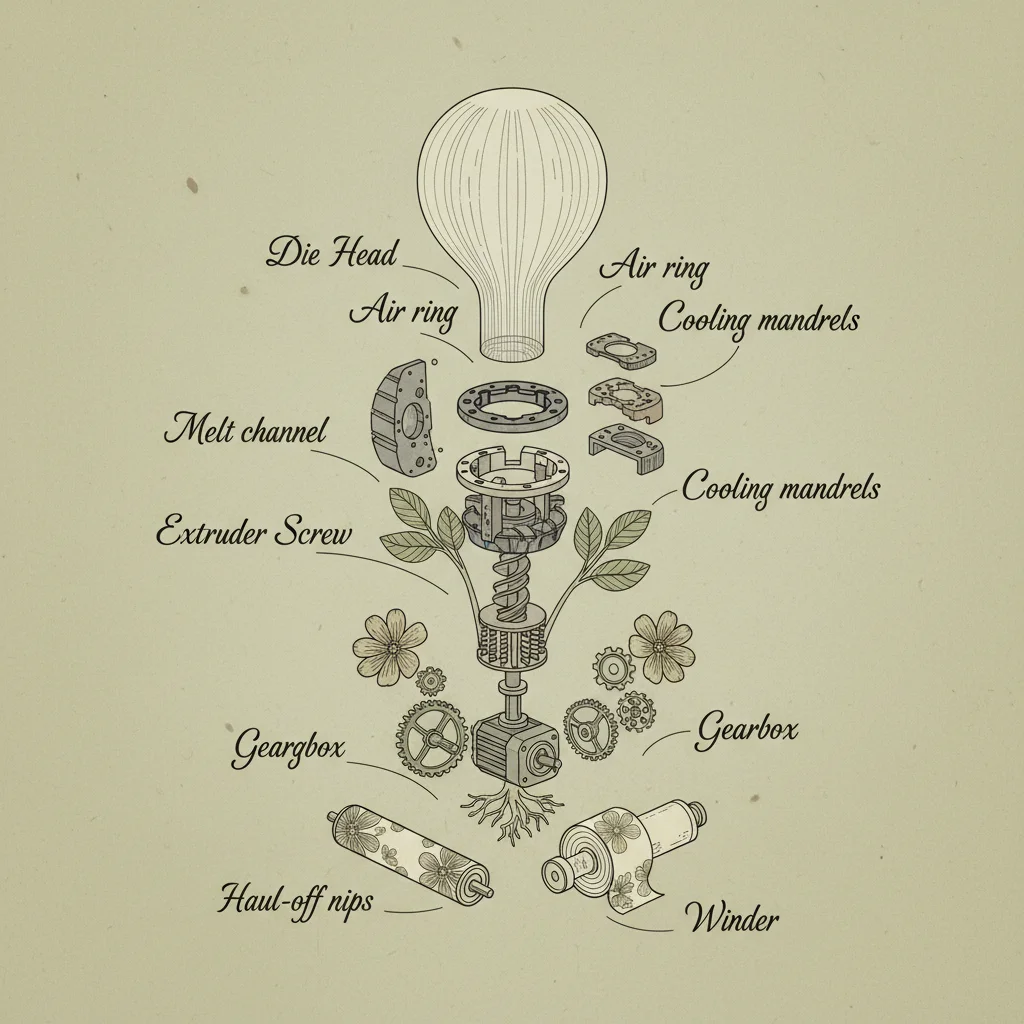
Several core components and factors contribute to the success and efficiency of the cast film extrusion process. First, the extruder itself is the heart of the operation, responsible for melting and homogenizing the polymer resin. The type of extruder (single-screw, twin-screw) significantly impacts the quality and consistency of the melt. Secondly, the flat die dictates the width and thickness of the film. Accurate die design and maintenance are crucial for achieving uniform film properties.
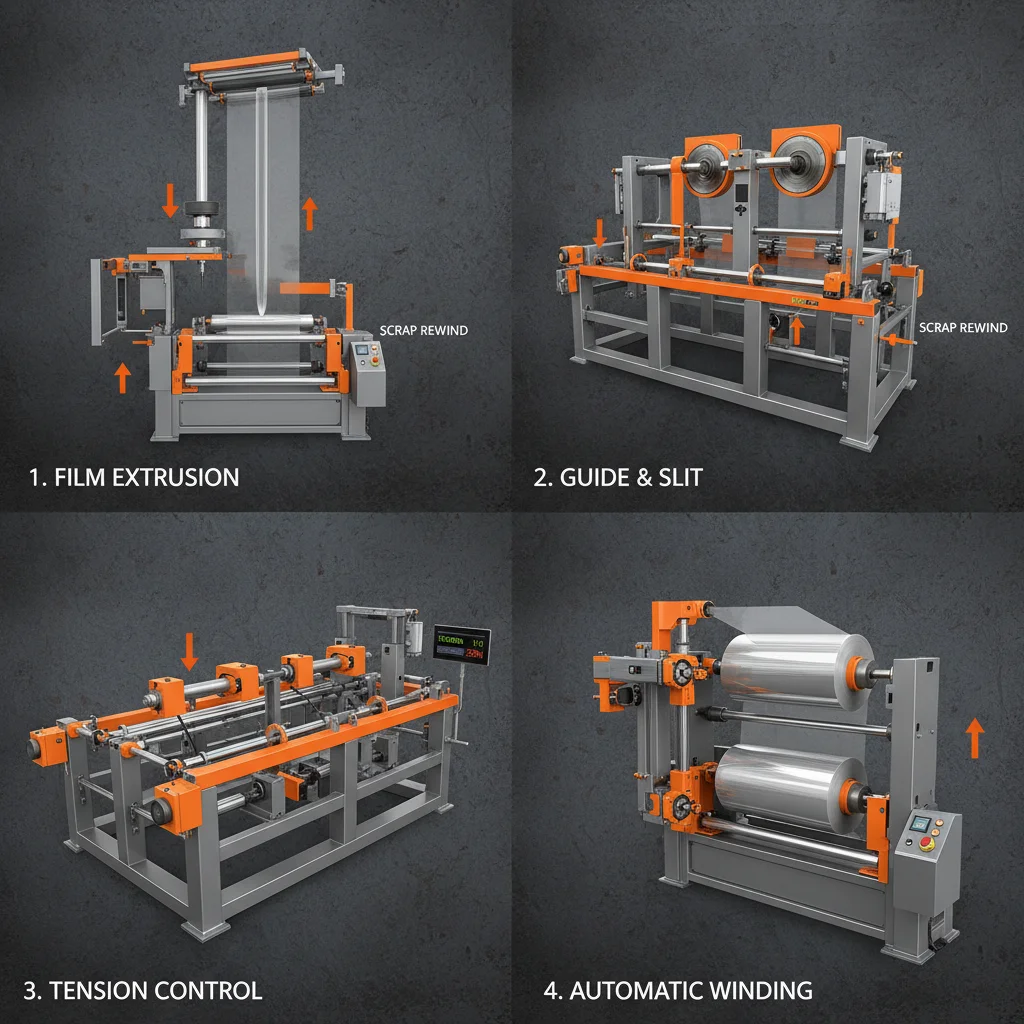
Another key factor is the casting drum, which rapidly cools and solidifies the extruded film. Maintaining a precise and consistent drum temperature is essential for controlling film crystallinity and mechanical properties. The take-up system ensures smooth and uniform winding of the finished film onto a roll. Finally, the polymer resin itself dictates the ultimate properties of the film, and careful selection is critical to meet application requirements.
The interplay of these factors determines the final film characteristics. Variables such as die gap, extrusion speed, drum temperature, and cooling rate must be carefully controlled to achieve the desired film thickness, clarity, and mechanical strength. Understanding these relationships is paramount for process optimization.
Key Applications of cast film extrusion process
The cast film extrusion process finds broad application across a multitude of industries. In food packaging, it delivers high-clarity films with excellent barrier properties, extending shelf life and maintaining product freshness. In agriculture, it's used to create mulch films that suppress weeds, conserve moisture, and enhance crop yields, and greenhouse covers that regulate temperature and protect plants.
The medical sector utilizes cast films for sterile packaging, protecting sensitive medical devices and pharmaceuticals. In industrial applications, they are used for protective films, release liners, and specialty coatings. Regions heavily reliant on agricultural exports, such as South America and Southeast Asia, are significant consumers of cast agricultural films. Furthermore, areas with developed packaging industries, like North America and Europe, demonstrate strong demand for high-performance cast packaging films.
Advantages and Long-Term Value
The cast film extrusion process offers numerous advantages, including superior film clarity, excellent dimensional stability, and tailored mechanical properties. Compared to other extrusion methods, cast films generally exhibit better optical properties, making them ideal for applications where visual appeal is important. They also demonstrate lower levels of shrinkage, ensuring consistent product dimensions over time. The process allows for precise control over film thickness and barrier properties, enhancing product protection.
The long-term value extends beyond performance to include sustainability and cost-effectiveness. Lighter-weight films reduce material consumption and transportation costs, while enhanced barrier properties minimize food waste. The process is continuously evolving with innovations in polymer materials and process control, further enhancing its efficiency and sustainability. Building trust with consumers through high-quality packaging and reliable performance is a significant intangible benefit.
Future Trends and Innovations
The future of cast film extrusion process is marked by several key trends and innovations. There's a growing emphasis on sustainable materials, with increased use of bio-based polymers and recycled content in film production. Digitalization and automation are transforming the process, enabling real-time monitoring, predictive maintenance, and optimized control.
Nanotechnology is being explored to enhance film properties like barrier performance and mechanical strength. Furthermore, the integration of Industry 4.0 principles, including data analytics and machine learning, is enabling manufacturers to optimize production processes, reduce waste, and improve product quality. The rise of renewable energy sources to power extrusion facilities will further reduce the environmental footprint of this vital process.
Challenges and Potential Solutions
Despite its advantages, the cast film extrusion process faces certain challenges. Maintaining consistent film thickness and avoiding defects like wrinkling or tearing can be difficult, particularly with highly viscous or sensitive polymers. Energy consumption is also a significant concern, as the process requires substantial heating and cooling. Furthermore, ensuring consistent quality across large production runs requires precise process control.
Potential solutions include implementing advanced process control systems with real-time monitoring and feedback loops, utilizing energy-efficient cooling technologies, and employing sophisticated die designs to improve melt flow uniformity. The development of new polymer materials with improved processing characteristics can also alleviate some of these challenges. Investment in operator training and skilled technicians is crucial for effective process management.
Addressing these challenges will unlock even greater efficiencies and sustainability benefits, solidifying the cast film extrusion process’s role as a vital manufacturing technology.
Frequently Asked Questions About the cast film extrusion process
| Problem Description |
Root Cause Analysis |
Proposed Solution |
Expected Outcome |
| Film exhibits inconsistent thickness variations across the width. |
Uneven melt flow from the die, potentially due to die lip misalignment or buildup. |
Regular die inspection, cleaning, and adjustment to ensure uniform melt distribution. |
Improved film thickness consistency and reduced material waste. |
| Wrinkling or tearing of the film during the take-up process. |
Excessive tension in the take-up system or uneven cooling rate. |
Adjusting the take-up tension and optimizing the cooling rate on the casting drum. |
Reduced film defects and increased production yield. |
| Poor clarity or haze in the finished film. |
Insufficient cooling rate or presence of contaminants in the polymer melt. |
Optimizing the cooling process and implementing rigorous polymer quality control measures. |
Enhanced film clarity and improved visual appeal. |
| High energy consumption during the cooling stage. |
Inefficient cooling system or excessive cooling capacity. |
Implementing energy-efficient cooling technologies and optimizing the cooling process parameters. |
Reduced energy costs and a lower environmental footprint. |
| Difficulty processing certain polymers due to their viscosity. |
Inadequate extruder screw design or insufficient melting capacity. |
Optimizing the extruder screw design or upgrading to a more powerful extruder. |
Improved processability of challenging polymers and expanded product capabilities. |
| Formation of bubbles or voids within the film structure. |
Presence of moisture in the polymer resin or entrapped air in the melt. |
Pre-drying the polymer resin and implementing vacuum degassing during the extrusion process. |
Elimination of bubbles and voids, resulting in improved film strength and barrier properties. |
Conclusion
In summary, the cast film extrusion process is a sophisticated and versatile manufacturing technique crucial to a wide range of industries. Its ability to produce high-quality films with tailored properties, combined with its ongoing evolution through innovations in materials and process control, ensures its continued relevance in the global market. Understanding the core components, key factors, and emerging trends is essential for maximizing its potential.
Looking ahead, continued investment in sustainable materials, automation, and advanced process control will be key to unlocking further efficiencies and reducing the environmental impact of cast film production. We invite you to explore how CNCHSJ can partner with you to optimize your cast film extrusion processes and achieve your business goals. Visit our website: www.cnchsj.com